
Samsung

Compare models
Differences at a glance
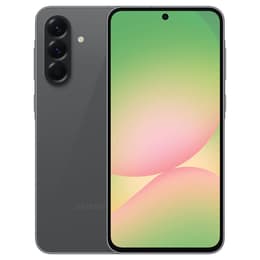
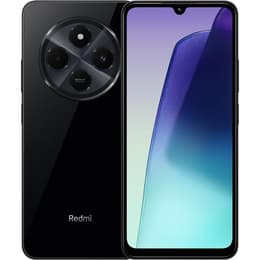
The Samsung Galaxy A56, released in March 2025, and the Xiaomi Redmi 14C, launched in August 2024, are both contemporary smartphones designed for everyday use. While both devices offer a range of features for communication and entertainment, they differ notably in their display technology, processing power, and expected software longevity. The Galaxy A56 operates on Android 15 with Samsung's One UI 7, while the Redmi 14C runs on Android 14 with Xiaomi's HyperOS.
Colour
Storage
When considering the practical lifespan of these devices, several factors come into play, including their release timelines, software support, and physical resilience. The Galaxy A56, being a more recent release, benefits from a longer projected period of software updates and security patches.
Year of Release
Compatible with latest Update
OS
Foldable
The performance of a smartphone is crucial for daily tasks, from navigating applications to managing multiple processes simultaneously. Both devices are equipped to handle common usage, but they approach performance with different hardware configurations.
The display is a primary interface for any smartphone, influencing everything from media consumption to daily interactions. The Galaxy A56 and Redmi 14C offer distinct visual experiences.
Resolution
Screen type
For many users, the camera system is a key consideration, impacting how they capture memories and communicate visually. Both smartphones are equipped with multiple cameras, but with differing capabilities.
Main camera
Front camera
Beyond the core components, various practical elements contribute to the overall user experience, from connectivity to physical design.
Weight
Screen size (in)
Network
SIM card
Carrier compatibility
User feedback often highlights the Samsung Galaxy A56 for its vibrant Super AMOLED display, robust build quality with IP67 rating, and extended software support, making it a device that aims for longevity and a premium feel in its category. Some users appreciate its capable camera system, especially the inclusion of optical image stabilization. Conversely, the Xiaomi Redmi 14C is frequently praised for its large display and substantial battery capacity, offering a solid experience for general daily usage. Its dedicated microSD card slot is also a point of appreciation for those needing expandable storage.
Users prioritizing a device with a more durable design, a higher-resolution and brighter display, and a longer commitment to software updates may find the Samsung Galaxy A56 to be a more suitable option. Its enhanced camera features, including OIS, also cater to those who value photography. On the other hand, individuals seeking a smartphone for essential tasks, media consumption on a large screen, and a device that retains a traditional headphone jack might lean towards the Xiaomi Redmi 14C. Both devices offer distinct advantages depending on individual needs and usage patterns.
For those looking to make an informed and sustainable choice, considering quality-assured refurbished options for either of these models can provide an eco-friendly alternative.