

Dell Latitude 5320 13" Vs Microsoft Surface Pro 6 12"

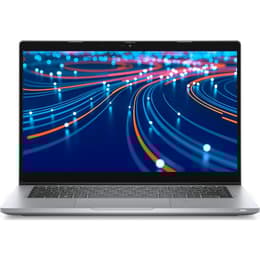
Dell Latitude 5320 13"
Starting at

Refurbished price:307.00

Versus €1,051.43 new

See options
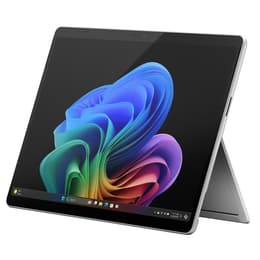
Microsoft Surface Pro 6 12"
Starting at

Refurbished price:424.00

Versus €899.00 new

See options

Ratings

The Dell Latitude 5320 13, released in 2021, is a business-oriented laptop designed for productivity, while the Microsoft Surface Pro 6 12, launched in 2018, offers a versatile 2-in-1 tablet experience. The primary distinctions between these devices lie in their form factor, release year, and the generation of their internal components. Both operate on the Windows operating system, providing a consistent software environment for users.

Scores

Durability

The Dell Latitude 5320 13, released in 2021, benefits from a more recent launch compared to the Microsoft Surface Pro 6 12, which debuted in October 2018. This difference in release timeline impacts expected software longevity and update frequency.

  • Software Longevity: The Dell Latitude 5320, being a newer device, is likely to receive operating system updates and security patches for a longer duration, extending its practical lifespan for software compatibility. The Surface Pro 6, having been released earlier, will have a shorter remaining period of official software support.
  • Repairability: Dell's Latitude series is generally designed with business environments in mind, often allowing for easier access to internal components for maintenance and upgrades. In contrast, the Surface Pro 6 is known for its compact, tightly integrated design, which can make repairs more challenging and costly.
  • Expected Lifespan: Users prioritizing extended software support and easier potential for physical maintenance may find the Dell Latitude 5320 to offer a longer practical lifespan.

Year of Release

2021

2017

Last Os Compatibility

Yes

Yes

OS

Windows 11

Windows 11

Performance

When evaluating performance, the Dell Latitude 5320 13 and the Microsoft Surface Pro 6 12 present different capabilities due to their respective hardware generations. The Dell Latitude 5320 is equipped with more recent internal components, offering a noticeable advantage in processing power and efficiency.

  • Processing Power: The Dell Latitude 5320 features current-generation processors that handle demanding applications and multitasking with greater responsiveness. This translates to smoother operation for complex software and more efficient handling of multiple tasks simultaneously. The Surface Pro 6, with its earlier generation processor, is well-suited for everyday tasks, web browsing, and general productivity, but may exhibit limitations with more intensive software or heavy multitasking compared to the Dell.
  • Storage and Memory: Both devices offer solid-state drive (SSD) storage for quick data access. The Dell Latitude 5320 supports higher RAM configurations, which can further enhance multitasking capabilities and overall system responsiveness, particularly for users who frequently work with many applications open.
  • Battery Behavior: The Dell Latitude 5320 offers larger battery capacity options, and its more efficient processor contributes to extended usage times, with some configurations providing nearly 14 hours of web browsing or over 10 hours of video playback. The Surface Pro 6 also provides substantial battery life, rated for up to 13.5 hours of local video playback, making it suitable for a full day of typical use.

Memory (GB)

8 GB

8 GB

Processor

Core i5-1135G7

Core i5 - Gen 8 (U)

Graphic card

Integrated Graphics

Integrated Graphics

Screen quality

The visual experience on the Dell Latitude 5320 13 and the Microsoft Surface Pro 6 12 differs primarily in resolution and display technology, catering to distinct user preferences.

  • Display Technology and Resolution: The Dell Latitude 5320 typically features a 13.3-inch Full HD (1920 x 1080) IPS display, offering clear visuals and comfortable viewing angles for productivity tasks. The Microsoft Surface Pro 6, on the other hand, boasts a 12.3-inch PixelSense display with a higher resolution of 2736 x 1824 pixels, resulting in sharper text and more detailed images, which can be particularly beneficial for creative work or media consumption.
  • Brightness and Clarity: Both devices offer adequate brightness for indoor environments. The Dell Latitude 5320 includes features like ComfortView Plus to reduce blue light emissions, aiming to minimize eye strain during prolonged use. The Surface Pro 6's display is often noted for its vibrant colors and high contrast.
  • Touch and Refresh Rate: The Dell Latitude 5320 is available with both touch and non-touch screen options. The Surface Pro 6 features a multi-touch display as a core part of its 2-in-1 design. Both devices generally operate at a standard 60Hz refresh rate, providing a smooth experience for general computing.

Resolution

1920 x 1080

2736 x 1824

Screen type

LCD

IPS

Camera

Audiovisual

The audio and visual capabilities of the Dell Latitude 5320 13 and the Microsoft Surface Pro 6 12 are designed to meet different user needs, with the Surface Pro 6 emphasizing its tablet-centric multimedia experience.

  • Camera System: The Dell Latitude 5320 includes an HD webcam, with some configurations offering an FHD camera and a privacy shutter, suitable for standard video conferencing. The Microsoft Surface Pro 6 features a 5-megapixel front-facing camera optimized for 1080p Skype HD video calls and an 8-megapixel rear-facing camera capable of 1080p full HD video recording, providing more versatility for photography and scanning documents.
  • Microphone and Speakers: Both devices incorporate integrated microphones for clear communication during calls. The Surface Pro 6 is equipped with stereo speakers that deliver clear audio for media consumption, enhancing its role as a portable entertainment device. The Dell Latitude 5320's speakers are designed for general business use.
  • Video Recording: While both can handle video calls, the Surface Pro 6's higher-resolution rear camera offers better quality for capturing video content.

Miscellaneous

Beyond core performance and display, several practical elements differentiate the Dell Latitude 5320 13 and the Microsoft Surface Pro 6 12, influencing their suitability for various workflows.

  • Connectivity Options: The Dell Latitude 5320 offers more modern wireless connectivity, including Wi-Fi 6 and Bluetooth 5.1 or 5.2, with optional 4G LTE for enhanced mobile networking. The Microsoft Surface Pro 6 utilizes Wi-Fi 5 and Bluetooth 4.1.
  • Port Selection: The Dell Latitude 5320 provides a comprehensive selection of ports, including two versatile Thunderbolt 4 (USB-C) ports, two USB-A ports, HDMI 2.0, and a microSD card reader, offering broad compatibility and expandability. The Surface Pro 6 has a more limited port selection, featuring one USB-A 3.0 port, a Mini DisplayPort, a Surface Connect port, and a microSD card reader, notably lacking USB-C.
  • Portability and Build: The Surface Pro 6 is significantly lighter and more compact as a tablet, weighing around 0.77 kg (1.7 lbs) without its Type Cover, making it highly portable. The Dell Latitude 5320, a traditional laptop, starts at approximately 1.18 kg (2.6 lbs). The Surface Pro 6 features a magnesium alloy build, while the Dell Latitude 5320 uses a combination of aluminum, carbon fiber, and plastic, with some models incorporating bioplastics.

Weight

1200 g

1120 g

Screen size

13

12

The Dell Latitude 5320 13 is often praised for its robust build quality, comprehensive business-oriented features, and modern performance, making it a reliable workhorse. Users frequently highlight its strong port selection and the efficiency of its newer processor generation. Conversely, some criticisms may arise regarding its more traditional laptop form factor, which might not appeal to those seeking a highly versatile tablet experience.

The Microsoft Surface Pro 6 12 receives acclaim for its innovative 2-in-1 design, high-resolution PixelSense display, and exceptional portability, which are key advantages for users who prioritize flexibility and a premium visual experience. Common concerns for the Surface Pro 6 often revolve around its older port selection, particularly the absence of USB-C, and its challenging repairability due to integrated components.

Users prioritizing a traditional laptop form factor with modern connectivity, robust security features, and a longer window for software updates will find the Dell Latitude 5320 13 well-suited to their needs. Its performance capabilities are geared towards demanding productivity tasks and efficient multitasking. For individuals who value a lightweight, versatile 2-in-1 device with a vibrant, high-resolution touch display for creative applications, media consumption, and on-the-go use, the Microsoft Surface Pro 6 12 presents a compelling option. Both models are available as quality-assured refurbished options, offering an eco-friendly alternative for consumers.


See all articles

Our recent comparisons