

Galaxy A50 Vs Galaxy S21+ 5G

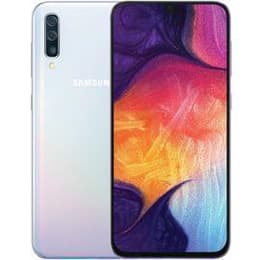
Galaxy A50
Galaxy A50
Starting at

Refurbished price:107.00

Versus €349.00 new

See options
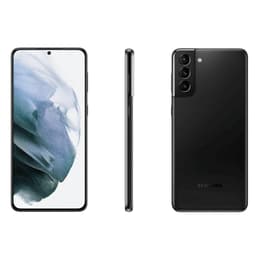
Galaxy S21+ 5G
Galaxy S21+ 5G
Starting at

Refurbished price:200.00

Versus €1,299.99 new

See options

Ratings

The Samsung Galaxy A50, released in February 2019, and the Samsung Galaxy S21 Plus 5G, launched in January 2021, are Android smartphones from different generations of Samsung's lineup. While both devices offer a comprehensive smartphone experience, the Galaxy S21 Plus 5G introduces significant advancements in performance, camera capabilities, and overall build quality compared to the A50. Both run on the Android operating system, though they differ in their update lifecycles and software support.

Scores

Durability

When considering the practical lifespan of these devices, their release dates and subsequent software support are key factors.

  • Release Timeline: The Galaxy A50 was released in February 2019, making it an older device compared to the Galaxy S21 Plus 5G, which launched in January 2021. This age difference directly impacts their remaining software support.
  • OS Support Duration: The Galaxy A50 launched with Android 9 and received its final major operating system update to Android 11 in March 2021, with security updates ceasing in February 2023. In contrast, the Galaxy S21 Plus 5G launched with Android 11 and received updates up to Android 14, with software support ceasing in February 2026.
  • Practical Lifespan: Users seeking the longest possible software longevity will find the Galaxy S21 Plus 5G offers a more extended period of official updates, which can be important for security and compatibility with new applications. The Galaxy A50 has already reached its end-of-life for major OS updates, meaning it will no longer receive new Android versions. The Galaxy A50 has a repairability score of 7.0/10, with accessible battery and screen components, though adhesive is used for the back cover.

Year of Release

2019

2021

Compatible with latest Update

No

Yes

OS

Android

Android

Foldable

No

No

Performance

The performance of these two devices reflects their generational gap, impacting how smoothly they handle various tasks.

  • Processor Capabilities: The Galaxy A50 is suitable for everyday tasks like browsing, social media, and light applications. However, users engaging in more demanding activities or extensive multitasking may experience slower responsiveness. The Galaxy S21 Plus 5G, with its more advanced internal components, handles demanding apps, multitasking, and graphics-intensive games with greater fluidity and speed.
  • RAM and Storage: The Galaxy A50 typically comes with 4GB or 6GB of RAM and 64GB or 128GB of internal storage, with the option to expand storage via a microSD card. The Galaxy S21 Plus 5G offers 8GB of RAM and storage options of 128GB or 256GB, but it does not include a microSD card slot for expansion. This means the S21 Plus 5G offers more base memory for smoother multitasking but less flexibility for storage expansion.
  • Battery Behavior: The Galaxy A50 features a 4000 mAh battery, with users often reporting it lasts a full day with moderate use. The Galaxy S21 Plus 5G has a larger 4800 mAh battery, generally providing good endurance for a full day of varied use, and supports faster wired and wireless charging.

Memory (GB)

4 GB

8 GB

Screen quality

Both smartphones feature vibrant displays, but there are notable differences in their technology and capabilities that affect the viewing experience.

  • Display Technology and Resolution: The Galaxy A50 features a 6.4-inch Super AMOLED display with a resolution of 1080x2340 pixels, offering clear visuals and deep blacks. The Galaxy S21 Plus 5G has a slightly larger 6.7-inch Dynamic AMOLED 2X display with a resolution of 1080x2400 pixels, also providing vibrant colors and excellent contrast, along with enhanced brightness.
  • Refresh Rate and Smoothness: The Galaxy A50 has a standard 60Hz refresh rate, which is typical for its generation. The Galaxy S21 Plus 5G features an adaptive 120Hz refresh rate, providing a noticeably smoother scrolling experience and more fluid animations, which can be particularly beneficial for gaming and general navigation.
  • Screen Protection: The Galaxy A50 uses Gorilla Glass 3 for screen protection. The Galaxy S21 Plus 5G features more advanced Gorilla Glass Victus, offering increased durability against drops and scratches.

Resolution

1080 x 2340

1080 x 2400

Screen type

Super AMOLED

Dynamic AMOLED 2X

Audiovisual

The camera systems on the Galaxy A50 and Galaxy S21 Plus 5G reflect different approaches to mobile photography, with the S21 Plus 5G offering more advanced features.

  • Camera System Capabilities: The Galaxy A50 is equipped with a triple rear camera setup, including a 25MP wide lens, an 8MP ultrawide lens, and a 5MP depth sensor. Its front camera is 25MP. The Galaxy S21 Plus 5G also features a triple rear camera system, but with a 12MP wide lens (with optical image stabilization), a 12MP ultrawide lens, and a 64MP telephoto lens offering 3x hybrid optical zoom (with optical image stabilization). It has a 10MP front camera.
  • Photography Performance: The Galaxy A50 performs well in good lighting conditions, capturing decent detail and color, but its low-light performance is less capable, often showing noise and reduced clarity. The Galaxy S21 Plus 5G provides more consistent and higher-quality images across various lighting conditions, with improved low-light capabilities and more versatile zoom options.
  • Video Recording: The Galaxy A50 supports 1080p video recording. The Galaxy S21 Plus 5G offers advanced video recording features, including up to 8K resolution at 24 frames per second, providing significantly more detail and flexibility for video content creation.

Main camera

25 megapixels

12 megapixels

Front camera

25 megapixels

10 megapixels

Miscellaneous

Beyond core specifications, several practical elements differentiate these two devices in daily use.

  • Connectivity Options: The Galaxy A50 supports 4G LTE networks, Wi-Fi 5, and Bluetooth 5.0. The Galaxy S21 Plus 5G offers next-generation 5G connectivity, Wi-Fi 6, and Bluetooth 5.0, providing faster data speeds and improved wireless performance where available.
  • Port Types and Biometrics: The Galaxy A50 includes a USB-C port for charging and data transfer, along with a 3.5mm headphone jack. It features an in-display optical fingerprint sensor, which some users found finicky. The Galaxy S21 Plus 5G uses a USB-C port but omits the 3.5mm headphone jack. It incorporates a more advanced in-display ultrasonic fingerprint sensor and face recognition for biometric security.
  • Build Materials and Handling: The Galaxy A50 features a plastic back and frame, contributing to its lighter weight of 166g. The Galaxy S21 Plus 5G has a more premium construction with a glass back and metal frame, weighing 200g, and boasts an IP68 rating for dust and water resistance.

Weight

166 g

200 g

Width

7,47 cm

7,56 cm

Height

15,85 cm

16,15 cm

Depth

0,77 cm

0,78 cm

Screen size (in)

6.4

6.7

Network

4G

5G

SIM card

Dual Physical SIM

Dual Physical SIM + eSIM

Carrier compatibility

Unlocked

Unlocked

User feedback for the Galaxy A50 often praises its vibrant Super AMOLED display and solid battery life for its category. Criticisms frequently mention the inconsistent in-display fingerprint sensor and less impressive low-light camera performance. Many users appreciate its longevity, with some reporting smooth operation even years after purchase.

For the Galaxy S21 Plus 5G, common praise highlights its powerful performance, smooth 120Hz display, and versatile camera system. Users generally find its battery life to be reliable for a full day. Some minor criticisms include the absence of a headphone jack and expandable storage, and the device can get warm under heavy load.

Users prioritizing a modern, high-performance device with advanced camera capabilities, a smoother display, and longer software support will find the Galaxy S21 Plus 5G well-suited to their needs. Those who value a more budget-conscious option for everyday tasks, expandable storage, and the presence of a headphone jack may lean toward the Galaxy A50. Both devices can be excellent choices, especially when considering quality-assured refurbished options, which provide a sustainable alternative for consumers.


See all articles

Our recent comparisons