

Compare models
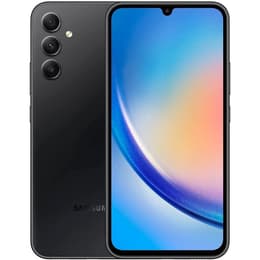
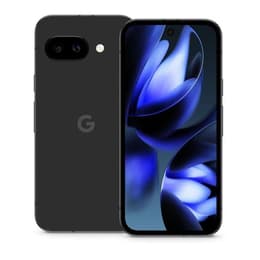
Galaxy A34 Vs Google Pixel 9a
- 1-year minimum warranty
- Free delivery on all orders
- Free 30-day returns
Differences at a glance
The Samsung Galaxy A34 (2023) and the Google Pixel 9a (2025) represent two distinct approaches to everyday smartphone design. While both devices target users seeking reliable daily performance without excess complexity, they differ significantly in their release timelines, software ecosystems, and hardware configurations. Choosing between them depends on whether you prioritize expandable media storage or a more recently launched operating system environment.
Available Models
Colour
Storage
Scores
Durability
When evaluating hardware longevity and software support, these two models reflect their respective release years and manufacturer update policies. Both devices handle daily routines reliably, though their long-term support windows differ based on launch timing.
- Release timeline and support: The Google Pixel 9a benefits from a 2025 release, offering extended software feature updates and security patches that stretch further into the decade compared to the 2023 Samsung Galaxy A34.
- Repairability and build: Both models feature solid assembly standards, though users often find standard component replacements straightforward through authorized repair networks, supporting a sustainable choice for long-term ownership.
Year of Release
2023
2025
Compatible with latest Update
Yes
Yes
OS
Android
Android
Foldable
No
No
Performance
Day-to-day responsiveness and multitasking depend heavily on how each device manages system resources and storage architecture. Both phones navigate standard apps, web browsing, and media streaming smoothly under normal conditions.
- Multitasking and memory: The Google Pixel 9a comes equipped with generous RAM to handle background tasks and artificial intelligence features fluidly, whereas the Galaxy A34 relies on balanced mid-range processing configurations that manage typical daily apps without noticeable stutter.
- Storage capacity: The Galaxy A34 offers the distinct advantage of expandable storage via a microSD card slot, while the Pixel 9a relies strictly on fixed internal storage options ranging from 128GB to 256GB.
Screen quality
Viewing comfort and visual clarity are essential aspects of daily device interaction, and both models deliver bright, responsive panels suited for various lighting conditions.
- Display technology: The Samsung Galaxy A34 features a slightly larger 6.6-inch Super AMOLED screen, while the Google Pixel 9a utilizes a compact 6.3-inch OLED panel, both supporting a smooth 120Hz refresh rate for fluid scrolling.
- Outdoor visibility: Both displays maintain strong peak brightness levels and crisp resolutions, ensuring clear text and vibrant image rendering whether viewed indoors or under direct sunlight.
Resolution
1080 x 2340
2424 x 1080
Audiovisual
Capture capabilities and media consumption hardware vary noticeably between these two devices, reflecting different manufacturer priorities in image processing and audio output.
- Photography hardware: The Google Pixel 9a utilizes a dual-camera system backed by advanced computational processing for consistent low-light shots, whereas the Galaxy A34 opts for a triple-lens setup that includes a dedicated macro sensor for close-up photography.
- Media and audio: Both models include stereo speaker configurations that deliver clear sound for hands-free calls and casual video viewing, though neither includes a traditional headphone jack.
Front camera
13 megapixels
13 megapixels
Miscellaneous
Practical daily usability features, physical dimensions, and connectivity standards dictate how comfortably each phone fits into a user's active routine.
- Physical build and handling: The Galaxy A34 measures slightly larger and heavier to accommodate its expansive screen and large battery, while the Pixel 9a provides a more compact profile that rests easily in one hand.
- Connectivity and power: Both devices support modern 5G networks, Wi-Fi standards, and reliable biometric authentication via in-display fingerprint sensors, with the Pixel 9a additionally supporting wireless charging capabilities alongside traditional wired power input.
Weight
199 g
186 g
Screen size (in)
6.6
6.3
Network
5G
5G
SIM card
Dual Physical SIM
Physical SIM + eSIM
Carrier compatibility
Unlocked
Unlocked
Connector
USB-C
USB-C
What the community thinks
User feedback across community forums highlights distinct preferences for each device based on everyday habits. Owners of the Samsung Galaxy A34 frequently praise its dependable battery life, expandable storage flexibility, and spacious display size. Conversely, users of the Google Pixel 9a highlight its responsive software navigation, consistent point-and-shoot camera results, and modern update longevity.
Users who prioritize physical storage expansion and a larger viewing area may prefer the Galaxy A34, while users prioritizing a compact form factor, wireless charging, and extended software support will lean toward the Google Pixel 9a. For those exploring a quality-assured refurbished option, both models offer a reliable, eco-friendly alternative to purchasing newly manufactured hardware.










