

Compare models

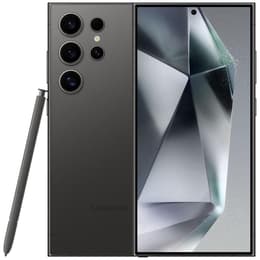
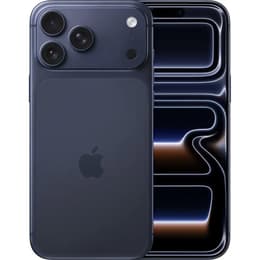
Galaxy S24 Ultra Vs iPhone 17 Pro Max

  • 1-year minimum warranty
  • Free delivery on all orders
  • Free 30-day returns
Galaxy S24 Ultra
Starting at

Refurbished price:€537.00

Versus €1,699.00 new

See options
iPhone 17 Pro Max
Starting at

Refurbished price:€1,054.00

Versus €1,489.00 new

See options

Differences at a glance

The Samsung Galaxy S24 Ultra (2024) and the Apple iPhone 17 Pro Max (2025) are high-end smartphones representing distinct software ecosystems and hardware philosophies. While both devices deliver top-tier mobile capabilities and large-screen formats, they differ significantly in their operating systems, design construction, and everyday user experiences.

Choosing between these two flagships depends on whether you prefer the Android customization environment or the integrated Apple software ecosystem, alongside differences in camera functionality and physical design.

Available Models

Colour

Storage

Scores

Durability

Both smartphones are built for long-term ownership, though their release schedules and software support windows differ slightly based on their launch years.

  • Software Longevity: The Samsung model provides extended operating system updates and security patches spanning multiple years, while the Apple model benefits from Apple's traditionally long support lifecycle, ensuring both remain secure and functional over time.
  • Build Durability: The Galaxy S24 Ultra features robust scratch-resistant glass and a titanium frame, whereas the iPhone 17 Pro Max utilizes a durable unibody construction paired with advanced ceramic shield protection to withstand daily wear.
  • Expected Lifespan: Both devices offer high repairability standards and robust internal components designed to support heavy daily use for many years, making a quality-assured refurbished option an eco-friendly choice for longevity.

Year of Release

2024

2025

Compatible with latest Update

Yes

Yes

OS

Android

iOS

Foldable

No

No

Performance

Under everyday conditions, both phones handle demanding apps, intensive multitasking, and graphics-heavy gaming smoothly without noticeable stutter or slowdowns.

  • System Responsiveness: Both devices launch applications instantly and maintain fluid multitasking capabilities, supported by ample memory configurations that keep background processes active efficiently.
  • Battery Behavior: Each smartphone easily delivers a full day of heavy use on a single charge, with efficient power management ensuring minimal drain during idle periods.
  • Storage Capacity: Both flagships offer generous baseline storage tiers with high-capacity options available for users who store large media libraries or extensive offline files directly on the device.

Screen quality

The display assemblies on both models deliver exceptional viewing experiences, featuring high resolutions and vibrant panels tailored for media consumption and productivity.

  • Display Technology: Both utilize advanced organic light-emitting diode panels that produce deep blacks, infinite contrast ratios, and vivid color reproduction for photos and videos.
  • Outdoor Visibility: High peak brightness levels on both screens ensure content remains crisp, legible, and clear even under direct sunlight or bright outdoor environments.
  • Smoothness: High refresh rate support ensures that scrolling through web pages, navigating user interfaces, and playing supported games look exceptionally fluid.

Resolution

1440 x 3120

2868x1320

Screen type

Dynamic LTPO AMOLED 2X

Super Retina XDR

Audiovisual

Equipped with sophisticated multi-lens setups, both smartphones excel at capturing detailed photos and smooth videos across diverse lighting conditions.

  • Photography Performance: Both models feature high-resolution main sensors and versatile zoom options that capture sharp details in low-light environments and daylight alike.
  • Video Recording: Video capture remains exceptionally stable and crisp on both devices, supported by advanced stabilization features and high-fidelity internal microphones for clear audio recording.
  • Media Consumption: Stereo speaker setups on both flagships deliver rich, room-filling sound quality that enhances video playback and hands-free calling experiences.

Main camera

200 megapixels

48 megapixels

Front camera

12 megapixels

18 megapixels

Miscellaneous

Practical everyday features, connectivity standards, and physical handling characteristics define how these devices fit into daily routines.

  • Connectivity: Both models support modern fifth-generation cellular networks, rapid wireless standards, and precise satellite positioning systems for reliable navigation and downloads.
  • Port Type: Both smartphones utilize standard universal USB-C ports for charging and wired data transfers, streamlining cable management for users.
  • Physical Handling: Large screen sizes and substantial weights mean both devices require two-handed operation for comfortable, secure handling during extended tasks.

Weight

233 g

233 g

Screen size (in)

6.8

6.9

Network

5G

5G

SIM card

Dual Physical SIM + eSIM

eSIM

Carrier compatibility

Unlocked

Unlocked

Connector

USB-C

USB-C

What the community thinks

User feedback from online communities highlights distinct praise points for each flagship device. Owners of the Galaxy S24 Ultra frequently commend its integrated stylus functionality, flexible customization options, and versatile multi-lens zoom capabilities. Conversely, iPhone 17 Pro Max users frequently praise its seamless ecosystem integration, sustained processing efficiency, and long battery endurance during heavy media workflows.

Users who prioritize file management flexibility, stylus input, and deep system customization may prefer the Galaxy S24 Ultra. Meanwhile, users who are embedded in the Apple ecosystem and value long-term software continuity will find the iPhone 17 Pro Max well-suited to their needs. Exploring a quality-assured refurbished option provides a sustainable, eco-friendly alternative for acquiring either of these capable devices without compromising on long-term performance.


Our recent comparisons





