

Galaxy A33 5G Vs Galaxy S10

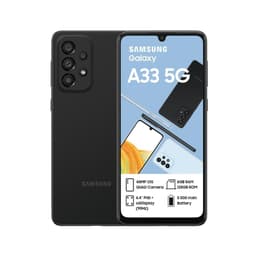
Galaxy A33 5G
Galaxy A33 5G
Starting at

Refurbished price:100.00

Versus €389.00 new

See options
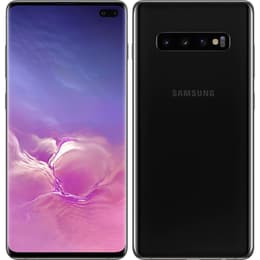
Galaxy S10
Galaxy S10
Starting at

Refurbished price:114.00

Versus €549.00 new

See options

Ratings

The Samsung Galaxy A33 5G, released in 2022, and the Samsung Galaxy S10, launched in 2019, represent different segments and generations within Samsung's smartphone lineup. While both offer a comprehensive Android experience, the A33 5G focuses on modern essentials with extended software support, whereas the S10, a former flagship, provides a premium build and advanced features from its era. Key differentiators include their release timelines, display technologies, and camera capabilities.

Scores

Durability

When considering the long-term usability of these devices, their respective release dates and software support policies are significant factors.

  • Release Timeline and Age: The Galaxy A33 5G was released in April 2022, making it a more recent device compared to the Galaxy S10, which launched in March 2019. This age difference directly impacts their expected practical lifespan and ongoing support.
  • OS Support Duration: The Galaxy A33 5G is notable for its commitment to four years of Android OS updates and five years of security patches from its release, ensuring it remains current for an extended period. In contrast, the Galaxy S10, having been released earlier, has likely concluded its major Android OS updates around Android 12, and security patches may now be less frequent or have ceased, depending on the region.
  • Physical Durability: The Galaxy A33 5G features Corning Gorilla Glass 5 on its display and boasts an IP67 rating for dust and water resistance, capable of withstanding submersion in up to 1 meter of freshwater for 30 minutes. The Galaxy S10, as a former flagship, offers a more robust build with Gorilla Glass 6 on the front and Gorilla Glass 5 on the back, along with an IP68 rating, providing slightly better protection against dust and water.

Year of Release

2022

2019

Compatible with latest Update

Yes

No

OS

Android

Android

Foldable

No

No

Performance

The performance of both smartphones caters to different user expectations, reflecting their respective positions in Samsung's product hierarchy and release years.

  • Everyday Task Handling: The Galaxy A33 5G, equipped with a modern octa-core processor, handles daily applications, web browsing, and social media with smooth responsiveness. Users can expect efficient multitasking and quick app loading for typical usage scenarios. The Galaxy S10, powered by a flagship-grade octa-core processor from its release year, still offers a capable experience for everyday tasks, with many users reporting smooth operation for browsing, messaging, and video consumption.
  • Demanding Applications and Gaming: For more intensive applications and mobile gaming, the Galaxy A33 5G provides a consistent experience, though it may not match the peak performance of more powerful devices. Its processor is designed for balanced efficiency and capability. The Galaxy S10, while older, was built with a high-performance processor, allowing it to run many demanding games and applications effectively. However, it may show its age with the most graphically intensive modern titles compared to newer devices.
  • Battery Behavior: The Galaxy A33 5G features a substantial 5000 mAh battery, which typically provides extended usage, often lasting through a full day of heavy use and potentially into a second day for moderate users. The Galaxy S10 has a 3400 mAh battery. While it was designed for all-day use at its launch, its battery life for current heavy users may require more frequent charging, and some users have opted for battery replacements to restore optimal endurance.

Memory (GB)

6 GB

8 GB

Screen quality

Both devices feature AMOLED display technology, offering vibrant visuals, but they differ in resolution, refresh rate, and overall viewing experience.

  • Display Technology and Clarity: The Galaxy A33 5G sports a 6.4-inch Super AMOLED display with a Full HD+ resolution (1080 x 2400 pixels), providing clear and vibrant images suitable for media consumption and daily use. The Galaxy S10 features a 6.1-inch Dynamic AMOLED display with a higher Quad HD+ resolution (1440 x 3040 pixels), delivering exceptionally sharp details and rich colors, which was a highlight of its flagship status.
  • Refresh Rate and Smoothness: The Galaxy A33 5G benefits from a 90Hz refresh rate, which contributes to smoother scrolling and a more fluid visual experience compared to standard 60Hz displays. The Galaxy S10 has a standard 60Hz refresh rate, which provides a perfectly functional and responsive experience, though it lacks the enhanced smoothness of higher refresh rate panels.
  • Brightness and Outdoor Visibility: Both Super AMOLED and Dynamic AMOLED technologies offer good brightness levels and contrast, making them generally suitable for outdoor viewing. The S10's Dynamic AMOLED panel, being a flagship display, typically offers excellent peak brightness for visibility even in bright sunlight.

Resolution

1080 x 2400

1440 x 3040

Screen type

Super AMOLED

Dynamic AMOLED

Audiovisual

The camera systems on the Galaxy A33 5G and Galaxy S10 reflect their different design philosophies and target audiences, with varying strengths in photography and video capabilities.

  • Rear Camera Systems: The Galaxy A33 5G features a versatile quad-camera setup, including a 48MP main sensor with Optical Image Stabilization (OIS), an 8MP ultrawide lens, a 5MP macro lens, and a 2MP depth sensor. This configuration allows for a range of photographic styles. The Galaxy S10 offers a triple-camera system with a 12MP main wide-angle lens (with OIS and dual aperture), a 12MP telephoto lens (with OIS and 2x optical zoom), and a 16MP ultrawide lens. The S10's telephoto lens provides dedicated optical zoom capabilities.
  • Photography Performance: The A33 5G's main camera, with OIS, captures clear and stable photos in various conditions, including decent low-light performance. The S10's camera system, particularly its main and ultrawide lenses, still produces solid images in good lighting, with its dual-aperture main lens adapting to different light levels. However, its low-light performance may not match the advancements seen in newer devices.
  • Video Recording and Audio: Both devices are capable of recording video at 4K resolution at 30 frames per second (fps), with the S10 also offering 4K at 60fps for smoother motion. The Galaxy A33 5G includes stereo speakers, enhancing the media consumption experience. The Galaxy S10 also features stereo speakers, providing a rich audio output.
  • Front Camera: The A33 5G has a 13MP front camera for selfies and video calls. The S10 features a 10MP front camera with Dual Pixel PDAF, designed for sharp and detailed self-portraits.

Main camera

48 megapixels

12 megapixels

Front camera

13 megapixels

10 megapixels

Miscellaneous

Beyond core specifications, several practical elements contribute to the overall user experience and daily convenience of these smartphones.

  • Connectivity Options: The Galaxy A33 5G supports 5G networks, offering faster mobile data speeds where available, alongside Wi-Fi 5 (802.11ac) and Bluetooth 5.1. The Galaxy S10 primarily supports 4G LTE, though a separate S10 5G variant was also released. It features Wi-Fi 6 (802.11ax) and Bluetooth 5.0.
  • Port Types and Sensors: The A33 5G utilizes a USB Type-C 2.0 port for charging and data transfer and notably omits the 3.5mm headphone jack. It includes an in-display fingerprint sensor for secure unlocking. The Galaxy S10 retains the 3.5mm headphone jack, a feature appreciated by many users, and uses a USB Type-C port. It was also one of the first to feature an ultrasonic in-display fingerprint reader and includes a heart rate sensor.
  • Build Materials and Handling: The A33 5G features a glass front (Gorilla Glass 5) with a plastic frame and back, contributing to its lighter weight of 186g. The S10 boasts a more premium construction with a glass front (Gorilla Glass 6) and back (Gorilla Glass 5) encased in an aluminum frame, weighing 157g. Its more compact dimensions (149.9 x 70.4 x 7.8 mm) make it feel comfortable in hand.

Weight

186 g

158 g

Screen size (in)

6.4

6.1

Network

5G

4G

SIM card

Dual Physical SIM

Physical SIM

Carrier compatibility

Unlocked

Unlocked

User sentiment for the Galaxy S10 often highlights its premium design, vibrant QHD+ AMOLED display, and the inclusion of features like the 3.5mm headphone jack and microSD card slot, which are increasingly rare in modern smartphones. Many users appreciate its compact size and the overall feel of a flagship device, even years after its release. Criticisms typically revolve around its aging battery life, which often requires replacement to last a full day, and the cessation of major Android updates, impacting long-term software support and security patches.

The Galaxy A33 5G receives praise for its robust battery life, modern 90Hz Super AMOLED display, IP67 water resistance, and Samsung's commitment to extended software updates. Users find it a well-rounded device for everyday use, offering good value with 5G connectivity and a capable camera system with OIS. Some minor criticisms include the absence of a 3.5mm headphone jack and the lack of an included charger in the box.

Users prioritizing long-term software support, a larger battery, and 5G connectivity will find the Galaxy A33 5G well-suited to their needs. Its modern features and extended update policy make it a practical choice for those seeking a reliable device for several years. Conversely, users who value a more compact, premium build, a higher-resolution display, and legacy features like the headphone jack and wireless charging might lean towards the Galaxy S10. While its software support window has closed, its hardware still offers a compelling experience for those who don't require the absolute latest software. Both devices, especially when considering quality-assured refurbished options, present eco-friendly alternatives for consumers.


See all articles

Our recent comparisons