

Galaxy A32 5G Vs Google Pixel 8

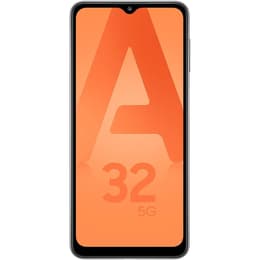
Galaxy A32 5G
Galaxy A32 5G
Starting at

Refurbished price:97.00

Versus €399.00 new

See options
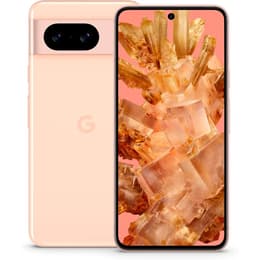
Google Pixel 8
Google Pixel 8
Starting at

Refurbished price:235.00

Versus €999.00 new

See options

Ratings

The Samsung Galaxy A32 5G and the Google Pixel 8 represent distinct approaches to the modern smartphone experience. Released in January 2021, the Galaxy A32 5G offers a robust set of features for everyday use, focusing on battery longevity and expandable storage. The Google Pixel 8, launched in October 2023, emphasizes advanced computational photography, a compact design, and an extended software support policy. Both devices operate on the Android platform, but they cater to different user priorities through their hardware and software philosophies.

Scores

Durability

The expected practical lifespan of a smartphone is significantly influenced by its release timeline and the manufacturer's commitment to software updates.

  • Release Timeline and OS Support: The Samsung Galaxy A32 5G, released in January 2021, launched with Android 11 and is upgradable to Android 13, with Samsung typically providing three years of OS updates and four years of security patches for its A-series devices. In contrast, the Google Pixel 8, released in October 2023 with Android 14, benefits from an industry-leading commitment of seven years of OS upgrades, security updates, and Feature Drops, extending its support until 2030.
  • Software Longevity: Users prioritizing long-term software support and access to the latest Android features will find the Pixel 8's extended update policy a significant advantage, ensuring the device remains current and secure for a considerably longer period. The Galaxy A32 5G, while offering respectable support for its segment, will reach its end-of-life for major OS updates sooner.
  • Repairability: The Google Pixel 8 generally receives favorable repairability scores, with some assessments placing it around 7 out of 10, indicating that self-repairs are possible for those with some technical aptitude, and parts are often available. Information on the specific repairability score for the Galaxy A32 5G is less prominent, but its construction is typical of many devices in its category.

Year of Release

2021

2023

Compatible with latest Update

No

Yes

OS

Android

Android

Foldable

No

No

Performance

The performance of these two devices varies considerably, reflecting their different release dates and target user experiences.

  • Processor Capabilities: The Galaxy A32 5G is equipped with an octa-core processor that handles everyday tasks, web browsing, and social media applications smoothly. For more demanding applications or intensive gaming, users might experience slower loading times or reduced frame rates. The Pixel 8 features a more advanced nona-core processor designed for efficient handling of complex tasks, including advanced AI features and modern gaming, resulting in a more responsive and fluid user experience across the board.
  • Multitasking and Responsiveness: With 4GB, 6GB, or 8GB of RAM options, the Galaxy A32 5G can manage multiple applications, though performance may vary with the amount of RAM. The Pixel 8 comes with 8GB of RAM as standard, contributing to its ability to switch between applications quickly and maintain smooth operation even with several apps running simultaneously.
  • Battery Behavior: The Galaxy A32 5G is known for its substantial 5000mAh battery, which can provide extended usage, often lasting a full day or even two for moderate users. The Pixel 8, with its 4575mAh battery, offers reliable all-day power for most users, typically providing 8-10 hours of screen-on time with mixed usage, though heavy users might need a charge before the day ends.

Memory (GB)

6 GB

8 GB

Screen quality

The visual experience offered by each device's display presents a clear distinction in technology and quality.

  • Display Technology and Resolution: The Samsung Galaxy A32 5G features a 6.5-inch TFT LCD with a resolution of 720 x 1600 pixels (HD+). This display provides adequate clarity for general content consumption, though individual pixels may be discernible upon close inspection. The Google Pixel 8 sports a 6.2-inch OLED display with a sharper 1080 x 2400 pixels (FHD+) resolution, offering deeper blacks, higher contrast, and more vibrant colors.
  • Brightness and Refresh Rate: The Galaxy A32 5G's display has a 90Hz refresh rate, providing a smoother scrolling experience compared to standard 60Hz panels, but its brightness levels are moderate, which can affect outdoor visibility. The Pixel 8 significantly surpasses this with a 120Hz refresh rate for exceptionally fluid visuals and a peak brightness of up to 2000 nits, ensuring excellent readability even in bright sunlight.
  • Viewing Experience: The larger screen of the Galaxy A32 5G might appeal to users who prefer more screen real estate for media, despite its lower resolution. The Pixel 8's smaller, higher-quality OLED panel delivers a more premium and immersive viewing experience with superior color accuracy and contrast, making it well-suited for detailed content and photography.

Resolution

720 x 1600

1080 x 2400

Screen type

TFT LCD

OLED

Audiovisual

The camera systems of the Galaxy A32 5G and the Pixel 8 cater to different photographic expectations, with the Pixel 8 offering a more advanced and feature-rich experience.

  • Camera System Capabilities: The Galaxy A32 5G includes a quad-camera setup with a 48MP main sensor, an 8MP ultrawide, a 5MP macro, and a 2MP depth sensor. It also has a 13MP front-facing camera. The Pixel 8 features a dual-camera system with a 50MP main sensor with optical image stabilization (OIS) and a 12MP ultrawide lens with autofocus and macro focus capabilities. Its front camera is 10.5MP.
  • Photography Performance: The Galaxy A32 5G performs well in good lighting conditions, producing crisp and vivid photos, but its performance in low light and with the macro lens is less consistent. The Pixel 8 excels in various lighting conditions, delivering excellent exposure, natural colors, and strong detail, particularly benefiting from Google's advanced computational photography and AI features for superior image processing, especially in low light.
  • Video Recording and Audio: Both phones can record video at 4K resolution at 30 frames per second, with the Pixel 8 also offering 4K at 60 frames per second and enhanced stabilization. The Pixel 8's microphone quality is noted for clear voice recording, and its stereo speakers provide a more immersive media consumption experience compared to the Galaxy A32 5G.

Main camera

48 megapixels

50 megapixels

Front camera

13 megapixels

10.5 megapixels

Miscellaneous

Beyond core performance, several practical elements differentiate these two smartphones in daily use.

  • Connectivity and Ports: Both devices support 5G connectivity, but the Pixel 8 includes newer Wi-Fi 7 and Bluetooth 5.3 standards, offering potentially faster and more stable wireless connections compared to the Galaxy A32 5G's Wi-Fi and Bluetooth 5.0. The Galaxy A32 5G retains a 3.5mm headphone jack, which is absent on the Pixel 8. Both utilize USB-C for charging and data transfer, with the Pixel 8 supporting USB Type-C 3.2 for faster data speeds.
  • Sensors and Biometrics: The Galaxy A32 5G features a side-mounted fingerprint sensor, along with standard accelerometer, ambient light, and proximity sensors. The Pixel 8 incorporates an optical under-display fingerprint sensor and advanced face recognition for unlocking, alongside a comprehensive suite of sensors including an accelerometer, gyro, proximity, compass, and barometer.
  • Design and Handling: The Galaxy A32 5G has a plastic back and frame with a Gorilla Glass 5 front, measuring 164.2 x 76.1 x 9.1 mm and weighing 205g. The Pixel 8 presents a more compact and premium build with a glass front and back (Gorilla Glass Victus) and an aluminum frame, measuring 150.5 x 70.8 x 8.9 mm and weighing 187g. It also boasts an IP68 rating for dust and water resistance.

Weight

205 g

187 g

Screen size (in)

6.5

6,2

Network

5G

5G

SIM card

Dual Physical SIM

Physical SIM + eSIM

Carrier compatibility

Unlocked

Unlocked

Connector

USB-C + Jack 3.5mm

USB-C

User feedback for the Samsung Galaxy A32 5G frequently praises its exceptional battery life, often noting its ability to last well into a second day for many users. Its 5G connectivity and expandable storage are also commonly highlighted as practical advantages. Criticisms often point to its lower-resolution display and less impressive camera performance in challenging lighting conditions.

For the Google Pixel 8, common praise revolves around its outstanding camera system, with users consistently impressed by its image quality, especially in low light, and the intelligent AI features that enhance photography. The compact design, smooth Android experience, and the promise of seven years of software updates are also significant positives. Some users, however, mention that while the battery life is good, it is not a standout feature compared to some larger devices, and heavy usage might require an afternoon top-up.

Users prioritizing extended battery life, expandable storage, and a more budget-conscious option may find the Samsung Galaxy A32 5G well-suited to their needs. Its larger screen also offers more viewing area for media consumption. Conversely, users who value a cutting-edge camera experience, a compact and premium build, long-term software support, and a highly responsive operating system will likely lean towards the Google Pixel 8. Both devices offer a reliable Android experience, but their strengths lie in different areas, catering to distinct user preferences. Exploring quality-assured refurbished options for either model can provide an eco-friendly alternative for those seeking a sustainable choice.

See all articles

Our recent comparisons