

Compare models
Galaxy A25 Vs iPhone 17
- 1-year minimum warranty
- Free delivery on all orders
- Free 30-day returns
Differences at a glance
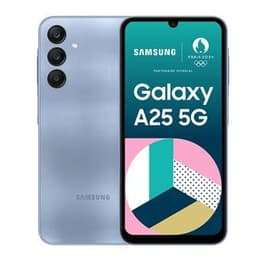
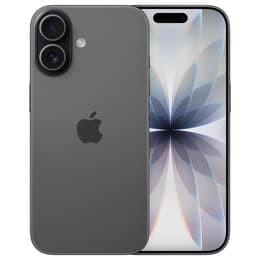
The Samsung Galaxy A25 (released December 2023) and the iPhone 17 (released September 2025) represent distinct approaches to smartphone design and functionality. While the Galaxy A25 offers a comprehensive Android experience in the mid-range segment, the iPhone 17 delivers Apple's latest advancements in its flagship iOS ecosystem. Key differentiators include their operating systems, overall performance capabilities, and camera systems, catering to different user priorities.
Available Models
Colour
Storage (GB)
Scores
Durability
When considering the practical lifespan of these devices, both offer substantial software support, though with different timelines and update philosophies.
- Release Timeline: The Galaxy A25 was released in December 2023, making it a more established device. The iPhone 17, launched in September 2025, benefits from being a newer model, typically implying a longer period before its technology is considered outdated.
- Software Longevity: Samsung generally provides four major Android OS updates and five years of security updates for the Galaxy A25. [3, 19, 25, 27, 30, 31, 32, 33] Apple is known for its extended software support, with iPhones typically receiving between five to seven years of major iOS updates and continued security patches, meaning the iPhone 17 is expected to receive updates until approximately 2037. [10, 12, 15, 22, 26]
- Repairability and Durability: The Galaxy A25 features a plastic back and frame with a Gorilla Glass 5 front, and does not carry an official IP water resistance rating. [6, 25] The iPhone 17 incorporates a Ceramic Shield 2 front, offering enhanced scratch resistance, an aluminum frame, and is expected to maintain an IP68 rating for dust and water resistance. [17] Repairability for the iPhone 17 is rated provisionally at 7 out of 10 by iFixit, noting accessible battery and display replacements, though the USB-C port can be complex to service. [5, 7, 9, 11, 13]
Year of Release
2023
2025
Compatible with latest Update
Yes
Yes
OS
Android
iOS
Foldable
No
No
Performance
The performance of these two smartphones reflects their respective market segments, with the iPhone 17 offering a higher-tier experience compared to the Galaxy A25.
- Processing Power: The Galaxy A25 is powered by an Exynos 1280 processor, which capably handles everyday tasks, general app usage, and moderate multitasking. [4, 6, 8, 27, 30, 31] The iPhone 17 features Apple's A19 chipset, designed for demanding applications, advanced gaming, and efficient handling of complex computational tasks, providing a noticeably smoother and more responsive user experience. [1, 9, 16, 17, 20, 24]
- Multitasking and Responsiveness: With RAM options of 6GB or 8GB, the Galaxy A25 manages multiple applications adequately. [2, 3, 4, 8] The iPhone 17, typically equipped with 8GB of RAM in its base models, combined with its optimized operating system, offers fluid transitions and maintains app states effectively during heavy multitasking. [1, 17, 20]
- Storage and Battery Behavior: The Galaxy A25 comes with 128GB or 256GB of internal storage, expandable via microSD card, and a 5000mAh battery that provides extensive usage on a single charge. [2, 3, 8, 25, 27, 31] The iPhone 17 offers storage options up to 512GB without expansion capabilities and features a 3692 mAh battery, which, combined with software and hardware optimizations, is designed to provide reliable all-day power for most users. [14, 20, 24]
Screen quality
Both devices offer vibrant displays, but they differ in technology and advanced features, impacting the visual experience.
- Display Technology and Clarity: The Samsung Galaxy A25 features a 6.5-inch Super AMOLED display with a 2340x1080 (FHD+) resolution, delivering rich colors and deep blacks. [2, 3, 4, 8, 25, 27, 30, 31] The iPhone 17 comes with a 6.3-inch LTPO AMOLED panel, also offering excellent contrast and color accuracy, with a slightly higher pixel density due to its smaller size. [17, 20, 21, 24]
- Refresh Rate and Smoothness: The Galaxy A25 provides a 120Hz refresh rate, contributing to smooth scrolling and a responsive feel during interactions. [2, 3, 4, 8, 25, 27, 30, 31] The iPhone 17 elevates this with a 120Hz ProMotion display, which dynamically adjusts the refresh rate based on content, enhancing fluidity while also optimizing power consumption. [17, 20, 21, 24]
- Brightness and Outdoor Visibility: The Galaxy A25 can reach a peak brightness of 1000 nits, making it generally visible in various lighting conditions. [8, 25, 27] The iPhone 17 boasts a peak outdoor brightness of 3000 nits, ensuring exceptional visibility even in bright sunlight. [17, 20] The iPhone 17 also includes an Always-On display feature. [17]
Resolution
1080 x 2340
2622x1206
Screen type
Super AMOLED
Super Retina XDR
Audiovisual
The camera systems on the Galaxy A25 and iPhone 17 are designed for different levels of photographic capability and user expectations.
- Rear Camera Systems: The Galaxy A25 features a triple-camera setup with a 50MP main sensor with optical image stabilization (OIS), an 8MP ultrawide lens, and a 2MP macro lens. [2, 3, 6, 8, 25, 27, 28, 30, 31] This configuration is capable of producing detailed images in good lighting. The iPhone 17 offers a dual-lens rear camera system, comprising a 48MP Wide (Fusion) lens with OIS and a 48MP Ultra-Wide (Fusion) lens. [17, 20] This setup is designed for advanced image processing and versatility across different photographic scenarios.
- Low-Light and Video Performance: The Galaxy A25 performs adequately in low-light conditions, particularly with its main sensor, and supports 4K video recording at 30 frames per second (fps). [6, 28, 31] The iPhone 17's larger sensors and advanced image signal processing contribute to strong low-light performance and offers 4K video recording at 24, 30, or 60 fps. [17, 20]
- Front Camera and Audio: For selfies, the Galaxy A25 has a 13MP front camera. [2, 3, 8, 27, 30, 31] The iPhone 17 features an 18MP front-facing camera with Center Stage capabilities, enhancing video calls and selfies. [17, 20] Both devices include stereo speakers, with the Galaxy A25 also retaining a 3.5mm headphone jack. [3, 25, 27, 31]
Main camera
50 megapixels
48 megapixels
Front camera
13 megapixels
18 megapixels
Miscellaneous
Beyond core features, several practical elements differentiate the user experience between these two smartphones.
- Connectivity and Ports: Both devices support 5G connectivity. The Galaxy A25 uses Wi-Fi 5 and Bluetooth 5.3, and includes a USB-C port. [6, 8, 31] The iPhone 17 features more advanced connectivity with Wi-Fi 7 and Bluetooth 6, facilitated by Apple's N1 network chipset, and also utilizes a USB-C port. [16, 17]
- Biometric Security and Design: The Galaxy A25 incorporates a side-mounted fingerprint sensor for secure unlocking. [3, 6, 8] The iPhone 17 relies on Face ID for biometric authentication, integrated within its Dynamic Island. [17] The Galaxy A25 has a slightly larger and heavier build at 161 x 76.5 x 8.3mm and 197g. [2, 6, 8] The iPhone 17 is more compact and lighter at 149.6 x 71.5 x 7.95mm and 177g. [17]
- Additional Features: The Galaxy A25 offers expandable storage via a microSD card slot, a feature not present on the iPhone 17. [2, 3, 8, 25] The iPhone 17 introduces an Action button, offering customizable shortcuts for various functions. [17]
Weight
197 g
177 g
Screen size (in)
6.5
6.3
Network
5G
5G
SIM card
Dual Physical SIM
Dual Physical SIM
Carrier compatibility
Unlocked
Unlocked
Connector
USB-C
USB-C
What the community thinks
The Samsung Galaxy A25 and iPhone 17 cater to different user needs and preferences, reflecting their distinct positions in the smartphone market. Users often praise the Galaxy A25 for its vibrant AMOLED display, long battery life, and the inclusion of a 3.5mm headphone jack and expandable storage, which are practical benefits for many. Criticisms sometimes point to its plastic build and less powerful processor compared to higher-end devices. [25, 27, 28, 30, 31]
The iPhone 17, on the other hand, is frequently lauded for its powerful processing capabilities, advanced camera system with improved low-light performance, and the extended software support that ensures longevity. Its ProMotion display and enhanced durability features are also common points of appreciation. Some users might find the lack of expandable storage or a traditional headphone jack to be a consideration. [17, 20, 21]
Users prioritizing a device with extensive software support, a highly responsive operating system, and advanced camera features for photography and videography may find the iPhone 17 aligns well with their needs. Conversely, individuals who value a larger, vibrant display, exceptional battery endurance, and the flexibility of expandable storage and a headphone jack might lean towards the Galaxy A25. Both devices offer reliable performance for their intended users, and considering quality-assured refurbished options for either model can be an eco-friendly alternative for making an informed choice.










