

Compare models

Galaxy A15 Vs iPhone Air

  • 1-year minimum warranty
  • Free delivery on all orders
  • Free 30-day returns
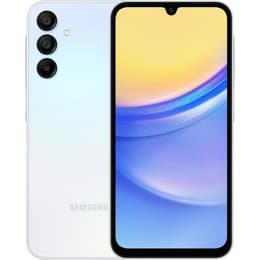
Galaxy A15
Starting at

Refurbished price:160.00

Versus €248.54 new

See options
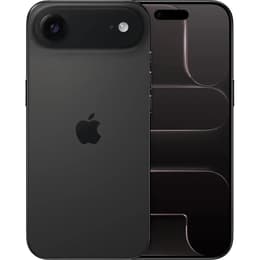
iPhone Air
Starting at

Refurbished price:713.00

Versus €1,339.00 new

See options

Differences at a glance

The Samsung Galaxy A15 (2023) and the Apple iPhone Air (2025) occupy entirely different categories within the modern smartphone landscape, serving distinct device types and user expectations. While the Galaxy A15 functions as an accessible, everyday Android device, the iPhone Air introduces an ultra-slim, high-performance option running on iOS. These models differ substantially in their release timelines, physical builds, and operational capabilities, catering to contrasting preferences in mobile technology.

Available Models

Colour

Storage (GB)

Scores

Durability

Device longevity and software support schedules vary significantly between these two models due to their release years and manufacturer frameworks.

  • Release timeline and software support: The Galaxy A15 arrived in late 2023 running Android, whereas the iPhone Air launched in late 2025 operating on iOS, giving the Apple device a more extended future software window.
  • Expected practical lifespan: Both phones receive multi-year security and system updates, though the iPhone Air features high-tier hardware designed to handle demanding long-term system requirements smoothly.

Year of Release

2023

2025

Compatible with latest Update

Yes

Yes

OS

Android

iOS

Foldable

No

No

Performance

Daily operation, multitasking efficiency, and battery behavior differ notably based on the underlying hardware capacity of each handset.

  • Processor capabilities and multitasking: The iPhone Air handles intensive applications, high-end mobile gaming, and complex background processes effortlessly, while the Galaxy A15 manages routine daily tasks like web browsing and messaging reliably.
  • Battery behavior and storage: The Galaxy A15 features a large-capacity battery paired with expandable storage via a memory card slot, whereas the iPhone Air relies on power-efficient processing and fixed internal storage capacities.

Screen quality

Viewing experiences differ through display construction, panel technology, and visual fluidity when using either device outdoors or indoors.

  • Display technology and clarity: The Galaxy A15 features a clear Super AMOLED panel with a responsive refresh rate, while the iPhone Air utilizes an advanced OLED screen with higher peak outdoor brightness and a fluid adaptive refresh rate.
  • Size and visual immersion: Both devices offer spacious viewing areas suitable for media consumption, though the iPhone Air incorporates thinner borders and superior color calibration for detailed image viewing.

Resolution

1080 x 2340

2736x1260

Screen type

Super AMOLED

Super Retina XDR

Audiovisual

Multimedia capture and audio playback capabilities reflect the different design philosophies and market tiers of both smartphones.

  • Camera system performance: The iPhone Air provides a high-resolution single rear camera system backed by advanced computational photography for sharp low-light and video capture, while the Galaxy A15 utilizes a versatile triple-lens array for standard everyday snapshots.
  • Media and audio output: Both models incorporate reliable microphone systems for calls, with media playback delivered through built-in speaker configurations suited for casual listening.

Main camera

50 megapixels

48 megapixels

Front camera

13 megapixels

18 megapixels

Miscellaneous

Physical dimensions, connectivity standards, and build materials shape the daily handling and practical use of each handset.

  • Build and physical handling: The iPhone Air prioritizes an exceptionally thin and lightweight titanium profile, whereas the Galaxy A15 features a standard plastic build with a slightly thicker chassis and a traditional headphone jack.
  • Connectivity and security: Both devices support modern mobile networks and wireless standards, utilizing biometric authentication methods such as facial recognition or fingerprint sensing for device security.

Weight

200 g

165 g

Screen size (in)

6.5

6.5

Network

4G

5G

SIM card

Physical SIM

eSIM

Carrier compatibility

Unlocked

Unlocked

Connector

USB-C

USB-C

What the community thinks

User feedback for the Samsung Galaxy A15 frequently highlights its reliable battery duration, expandable storage support, and straightforward usability for basic daily communication. Conversely, users often praise the iPhone Air for its groundbreaking thin profile, premium materials, and swift system responsiveness during demanding tasks. Common criticisms for the Galaxy A15 focus on its modest processing speeds during heavy multitasking, while some users note that the ultra-slim build of the iPhone Air limits physical port versatility.

Users prioritizing long-term software longevity, high-end processing power, and a lightweight physical profile may prefer the iPhone Air, while users focusing on expandable storage, traditional wired headphone connections, and everyday simplicity will find the Galaxy A15 well-suited to their needs. For consumers exploring sustainable technology, choosing a quality-assured refurbished option provides a practical way to acquire these devices while supporting eco-friendly purchasing habits.