

Galaxy A14 Vs Google Pixel 8 Pro

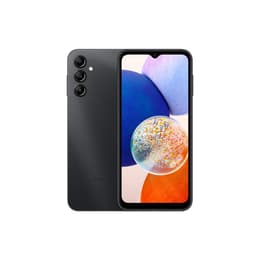
Galaxy A14
Galaxy A14
Starting at

Refurbished price:97.00

Versus €269.00 new

See options
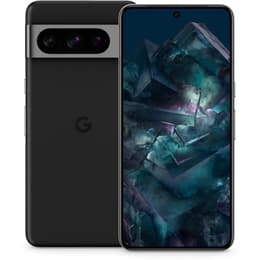
Google Pixel 8 Pro
Google Pixel 8 Pro
Starting at

Refurbished price:293.00

Versus €1,099.00 new

See options

Ratings

The Samsung Galaxy A14, released in early 2023, and the Google Pixel 8 Pro, launched in late 2023, are both Android smartphones, yet they cater to different user expectations and needs. While the Galaxy A14 focuses on delivering essential smartphone functionalities, the Pixel 8 Pro offers advanced features and a premium experience. Both devices operate on the Android platform, providing access to a wide ecosystem of applications and services.

Scores

Durability

The longevity of a smartphone is influenced by its physical resilience and the duration of software support it receives. These two devices present different expectations in both areas.

  • Software Updates: The Google Pixel 8 Pro is designed for extended software support, offering seven years of OS version upgrades and security updates from its release. The Samsung Galaxy A14, on the other hand, typically receives two major Android OS updates and four years of security updates.
  • Physical Durability: The Pixel 8 Pro features a more robust construction with Gorilla Glass Victus 2 on both the front and back, complemented by an aluminum frame and an IP68 rating for dust and water resistance. The Galaxy A14 utilizes a plastic build for its back and sides, with an unspecified glass protection on the front, and does not carry an official IP rating for water and dust resistance.
  • Practical Lifespan: Users prioritizing long-term software support and enhanced physical protection will find the Pixel 8 Pro better suited for extended use. The Galaxy A14 offers a more modest lifespan, aligning with its foundational feature set.

Year of Release

2023

2023

Compatible with latest Update

No

Yes

Foldable

No

No

Performance

Performance is a key differentiator, impacting how smoothly applications run and how efficiently daily tasks are handled. The two devices offer distinct levels of processing power and memory configurations.

  • Everyday Responsiveness: The Google Pixel 8 Pro, equipped with its advanced processor, handles demanding applications, complex multitasking, and graphic-intensive gaming with considerable fluidity and speed. The Galaxy A14 provides performance suitable for basic tasks like web browsing, social media, and light gaming, though users may notice occasional delays when switching between multiple applications or running more intensive programs.
  • Multitasking and Storage: The Pixel 8 Pro typically comes with 12GB of RAM, facilitating seamless multitasking and efficient handling of numerous open applications. It offers storage options up to 1TB. The Galaxy A14 usually features 4GB or 6GB of RAM, which is adequate for general use, and offers 64GB or 128GB of internal storage, expandable via a microSD card.
  • Battery Usage: Both phones are equipped with 5000 mAh batteries. The Pixel 8 Pro supports 30W wired charging and 23W wireless charging. The Galaxy A14 supports 15W wired charging and does not offer wireless charging. User reports for the Galaxy A14 indicate it can last a full day with moderate to heavy use, sometimes extending to two days with lighter usage.

Memory (GB)

4 GB

12 GB

Screen quality

The display is the primary interface for user interaction, and both devices offer different visual experiences tailored to their respective segments.

  • Display Technology and Clarity: The Google Pixel 8 Pro features a 6.7-inch LTPO OLED display with a resolution of 1344 x 2992 pixels, providing sharp images, deep blacks, and vibrant colors. The Samsung Galaxy A14 has a 6.6-inch PLS LCD display with a resolution of 1080 x 2408 pixels, offering clear visuals suitable for everyday content consumption.
  • Brightness and Refresh Rate: The Pixel 8 Pro's display offers an adaptive refresh rate ranging from 1Hz to 120Hz, contributing to smoother scrolling and responsiveness, and can reach high peak brightness levels for good outdoor visibility. The Galaxy A14 5G model features a 90Hz refresh rate, enhancing the smoothness of animations and scrolling, while the 4G model has a 60Hz refresh rate. Its brightness levels are suitable for indoor use but can be challenging in direct sunlight.
  • Viewing Experience: Users prioritizing a highly fluid, bright, and color-accurate display for media consumption and detailed work will find the Pixel 8 Pro's screen more immersive. The Galaxy A14 offers a functional and adequately clear display for general browsing and video viewing.

Resolution

1080 x 2408

1344 x 2992

Screen type

PLS LCD

LTPO OLED

Audiovisual

Camera capabilities vary significantly between these two smartphones, reflecting their different design philosophies and target audiences.

  • Rear Camera Systems: The Google Pixel 8 Pro features a versatile triple-camera setup, including a 50MP main sensor, a 48MP ultrawide lens with autofocus, and a 48MP telephoto lens with 5x optical zoom. This system is enhanced by advanced computational photography for detailed images across various conditions. The Samsung Galaxy A14 typically includes a 50MP main camera, a 2MP macro lens, and a 2MP depth sensor.
  • Photography Performance: The Pixel 8 Pro excels in capturing detailed photos with accurate colors, strong dynamic range, and impressive low-light performance, offering features like a dedicated Pro mode for manual controls and enhanced video capabilities. The Galaxy A14's camera system is designed for general photography, performing well in good lighting conditions for everyday snapshots and offering basic modes like panorama and macro.
  • Front Camera and Audio: The Pixel 8 Pro has a 10.5MP front camera with autofocus. The Galaxy A14 features a 13MP front-facing camera. For audio, the Galaxy A14 includes a 3.5mm headphone jack, which is absent on the Pixel 8 Pro.

Main camera

50 megapixels

50 megapixels

Front camera

13 megapixels

10.5 megapixels

Miscellaneous

Beyond core features, several practical elements contribute to the overall user experience and daily usability of these devices.

  • Connectivity and Ports: Both devices support 5G connectivity. The Pixel 8 Pro supports Wi-Fi 6E and Bluetooth 5.3, while the Galaxy A14 supports Wi-Fi 5 (802.11ac) and Bluetooth 5.1 or 5.2. Both utilize a USB-C port for charging and data transfer.
  • Biometric Security: The Pixel 8 Pro features an in-display fingerprint scanner and advanced face recognition that meets Android biometric standards for secure app sign-ins. The Galaxy A14 uses a side-mounted fingerprint sensor.
  • Physical Attributes: The Pixel 8 Pro measures 162.6 x 76.5 x 8.8 mm and weighs 213g, featuring a glass and aluminum construction. The Galaxy A14 measures 167.7 x 78 x 9.1 mm and weighs around 202g to 204g, with a plastic build. The Pixel 8 Pro also includes NFC for contactless payments, a feature also present in the Galaxy A14.

Weight

201 g

213 g

Screen size (in)

6.6

6.7

Network

4G

5G

SIM card

Dual Physical SIM

Physical SIM + eSIM

Carrier compatibility

Unlocked

Unlocked

User sentiment for the Google Pixel 8 Pro often highlights its exceptional camera performance, particularly its computational photography capabilities and advanced AI features. Users also frequently praise its long-term software support and the quality of its OLED display. Some common concerns include its performance under sustained heavy loads, where it may experience throttling, and occasional reports of cellular connectivity issues.

For the Samsung Galaxy A14, users generally appreciate its large display, reliable battery life for everyday use, and the inclusion of a headphone jack. Criticisms sometimes point to its more modest processing power, which can lead to slower performance with demanding applications, and its less robust build materials compared to higher-end devices.

Users prioritizing a cutting-edge camera system, extended software longevity, and a premium display for an immersive experience will find the Google Pixel 8 Pro well-suited to their needs. This device is ideal for photography enthusiasts, power users, and those who value the latest technological advancements. Conversely, individuals seeking a dependable smartphone for essential daily tasks, with a focus on battery endurance and a more accessible feature set, may find the Samsung Galaxy A14 to be a practical choice. It serves users who need a functional device without the advanced capabilities of a flagship model.

Both models are available as quality-assured refurbished options, providing an eco-friendly alternative for consumers looking to make informed and sustainable choices.


See all articles

Our recent comparisons