

Compare models
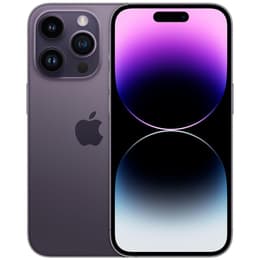
iPhone 14 Pro Vs Xiaomi Redmi Note 13 4G
- 1-year minimum warranty
- Free delivery on all orders
- Free 30-day returns
Differences at a glance
The Apple iPhone 14 Pro (2022) and the Xiaomi Redmi Note 13 4G (2024) are distinct smartphones that cater to contrasting user preferences and operating systems. While the iPhone 14 Pro delivers high-end mobile engineering running on iOS, the Xiaomi Redmi Note 13 4G provides an accessible everyday user experience powered by Android. Choosing between them depends primarily on whether your priority is advanced software integration or an everyday multimedia-focused layout.
Available Models
Colour
Storage
Scores
Durability
When comparing longevity and durability, both devices offer reliable construction though they follow different release timelines and support models.
- Software support timeline: The iPhone 14 Pro benefits from Apple's extended update schedule, ensuring ongoing security and feature updates over many years, while the Xiaomi Redmi Note 13 4G provides a standard multi-year Android update path.
- Build quality and materials: The iPhone 14 Pro utilizes textured matte glass and stainless steel paired with ceramic shield protection, whereas the Xiaomi Redmi Note 13 4G features a glass front with reinforced plastic framing.
- Repairability expectations: Both handsets feature standardized internal layouts that allow component replacements through professional repair channels when wear and tear eventually occur.
Year of Release
2022
2024
Compatible with latest Update
Yes
Yes
OS
iOS
Android
Foldable
No
No
Performance
System capabilities differ notably in how each smartphone manages demanding workloads and daily multitasking operations.
- App loading and multitasking: The iPhone 14 Pro handles resource-intensive games and heavy multitasking smoothly with high system efficiency, whereas the Xiaomi Redmi Note 13 4G is well-suited for everyday messaging, web browsing, and casual apps.
- Battery behavior: The Xiaomi model features a larger 5000 mAh capacity battery that comfortably lasts through extended daily use, while the iPhone 14 Pro balances battery consumption through advanced power management features.
- Storage capacity: Both smartphones offer multiple configuration tiers to accommodate varying photo, video, and application storage needs.
Screen quality
Display characteristics shape the visual experience for media consumption, reading, and outdoor navigation.
- Panel technology and clarity: Both devices feature vibrant OLED and AMOLED display technology that delivers deep contrast levels and sharp text rendering.
- Refresh rate and smoothness: Both models incorporate high refresh rate capabilities that ensure smooth scrolling through web pages and fluid user interface animations.
- Outdoor visibility: High peak brightness levels on both screens allow content to remain legible when viewed under direct sunlight.
Resolution
1179 x 2556
1080 x 2400
Screen type
LTPO Super Retina XDR OLED
AMOLED
Audiovisual
Optics and media playback systems vary to accommodate different photography styles and audio preferences.
- Camera system versatility: The iPhone 14 Pro employs a sophisticated multi-lens setup featuring advanced low-light processing, while the Xiaomi Redmi Note 13 4G centers its photography around a high-resolution main sensor.
- Video recording: Apple's device offers robust stabilization and cinematic recording formats, whereas the Xiaomi model handles standard high-definition video capture for casual sharing.
- Audio output: Both phones include stereo speaker configurations that provide clear sound for hands-free calls and media streaming.
Main camera
48 megapixels
108 megapixels
Front camera
12 megapixels
16 megapixels
Miscellaneous
Physical dimensions and connectivity standards influence daily handling and compatibility with accessories.
- Biometric security: The iPhone 14 Pro utilizes advanced facial recognition, while the Xiaomi Redmi Note 13 4G relies on an optical under-display fingerprint sensor.
- Physical handling: The iPhone 14 Pro offers a compact form factor with a slightly heavier stainless steel feel, compared to the lighter, larger frame of the Xiaomi device.
- Connectivity and ports: The iPhone uses a proprietary connector alongside comprehensive 5G support, whereas the Xiaomi model integrates standard USB Type-C connectivity focused primarily on 4G networks.
Weight
206 g
175 g
Screen size (in)
6.1
6.67
Network
5G
4G
SIM card
Physical SIM + eSIM
Dual Physical SIM
Carrier compatibility
Unlocked
Unlocked
Connector
Lightning
USB-C
What the community thinks
User discussions across public forums frequently highlight the iPhone 14 Pro for its polished build, reliable camera consistency, and long-term software support. Conversely, community feedback often praises the Xiaomi Redmi Note 13 4G for its generous battery capacity, clear high-refresh display, and accessible everyday layout. Common criticisms for the Apple device mention its heavier weight, while users note that the Xiaomi model is limited to 4G connectivity.
Users prioritizing high-performance photography and extended software longevity may prefer the iPhone 14 Pro, while users seeking a dependable multimedia device with strong battery endurance will find the Xiaomi Redmi Note 13 4G well-suited to their needs. For those exploring sustainable purchasing habits, choosing a quality-assured refurbished option from Back Market provides an eco-friendly alternative that reduces electronic waste without compromising on functional reliability.










