

Dell Latitude 7490 14" Vs Microsoft Surface Pro 6 12"

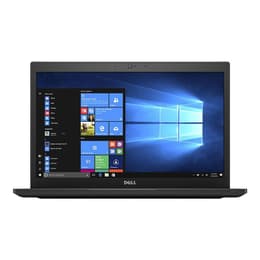
Dell Latitude 7490 14"
Starting at

Refurbished price:307.00

Versus €636.00 new

See options
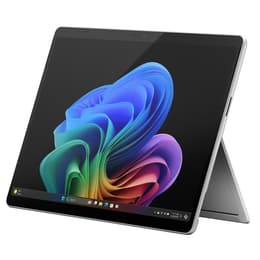
Microsoft Surface Pro 6 12"
Starting at

Refurbished price:424.00

Versus €899.00 new

See options

Ratings

The Dell Latitude 7490 (released in 2018) and the Microsoft Surface Pro 6 (also released in 2018) offer distinct approaches to mobile computing. While both devices run on the Windows operating system and target users seeking productivity, they differ significantly in their form factor and intended use. The Latitude 7490 is a traditional business-class laptop, prioritizing a robust build and extensive connectivity, whereas the Surface Pro 6 is a versatile 2-in-1 detachable tablet, emphasizing portability and touch-enabled interaction.

Scores

Durability

Both the Dell Latitude 7490 and the Microsoft Surface Pro 6 were released in 2018, placing them in a similar generation of computing hardware. Their practical lifespan is influenced by ongoing software support and physical durability.

  • Software Longevity: Both devices are capable of running Windows 10 and Windows 11, benefiting from Microsoft's long-term operating system support. The duration of feature updates and security patches will be comparable for both models.
  • Physical Durability: The Dell Latitude 7490 is known for its business-grade construction, featuring a magnesium alloy exterior and a durable chassis designed to withstand daily professional use. The Surface Pro 6, with its magnesium alloy body and integrated kickstand, offers a premium feel, though its 2-in-1 design with a detachable keyboard (often sold separately) introduces more moving parts that could experience wear over time.
  • Repairability: Dell Latitude models generally offer better internal access for component replacement and upgrades, such as RAM and storage, which can extend their usable life. Surface devices, including the Surface Pro 6, are typically less user-serviceable, making repairs more challenging.

Year of Release

2017

2017

Last Os Compatibility

Yes

Yes

OS

Windows 11

Windows 11

Performance

Both the Dell Latitude 7490 and the Microsoft Surface Pro 6 are equipped with 8th generation Intel processors, providing a solid foundation for everyday computing tasks. Their performance characteristics cater to slightly different user needs.

  • Processing Power: Both devices handle common applications, web browsing, and multitasking smoothly. Users can expect responsive performance for office suites, video conferencing, and light content creation. The Surface Pro 6 was noted to be 1.5x faster than its predecessor, offering strong performance for a 2-in-1 device.
  • Multitasking Capability: The Dell Latitude 7490 often comes with configurations offering up to 32GB of RAM, providing ample headroom for demanding multitasking scenarios and running multiple applications simultaneously without slowdowns. The Surface Pro 6 typically offers 8GB or 16GB of RAM, which is sufficient for most users but may be a limiting factor for those requiring extensive memory for specialized software.
  • Storage: Both models utilize solid-state drives (SSDs) for storage, contributing to fast boot times and quick application loading. Available storage capacities vary across configurations for both devices.

Memory (GB)

8 GB

8 GB

Processor

Core i5 - Gen 8 (U)

Core i5 - Gen 8 (U)

Graphic card

Integrated Graphics

Integrated Graphics

Screen quality

The display experience on the Dell Latitude 7490 and the Microsoft Surface Pro 6 presents a clear distinction in size, resolution, and interactive capabilities.

  • Display Technology and Size: The Dell Latitude 7490 features a 14-inch IPS LCD display, commonly with Full HD (1920 x 1080) resolution, providing a traditional laptop viewing area. The Microsoft Surface Pro 6 boasts a 12.3-inch PixelSense display with a higher resolution of 2736 x 1824 pixels, offering a sharper image on a more compact screen.
  • Clarity and Brightness: The Surface Pro 6's higher pixel density (267 PPI) results in very sharp text and images, which is beneficial for detailed work and media consumption. Both devices offer adequate brightness for indoor environments, with the Latitude 7490's display often being anti-glare.
  • Touch and Interaction: A key differentiator is the Surface Pro 6's multi-touch enabled screen, which supports pen input (pen sold separately), making it suitable for drawing, note-taking, and direct interaction. While some configurations of the Latitude 7490 may include a touchscreen, it is not a standard feature across all models.

Resolution

1920 x 1080

2736 x 1824

Screen type

IPS

IPS

Camera

Audiovisual

The camera and audio capabilities of these two devices reflect their primary design intentions, with the Surface Pro 6 offering more robust features for visual communication.

  • Camera Systems: The Microsoft Surface Pro 6 includes both a 5-megapixel front-facing camera and an 8-megapixel rear-facing camera, both capable of 1080p HD video recording, making it well-suited for video calls, quick document scanning, and casual photography. It also supports Windows Hello for facial recognition login. The Dell Latitude 7490 typically features a standard HD webcam (720p) for video conferencing.
  • Microphone and Speakers: Both devices are equipped with integrated microphones suitable for online meetings and voice commands. The Surface Pro 6 features stereo speakers with Dolby Audio Premium, providing a clear audio experience for media consumption. The Latitude 7490 also has integrated speakers, which are generally adequate for business use, though user reviews sometimes note them as being less powerful.
  • Audio Output: Both laptops include a 3.5mm headphone/microphone combo jack for private listening and communication.

Miscellaneous

Beyond core performance and display, several practical elements distinguish the Dell Latitude 7490 and the Microsoft Surface Pro 6, impacting their usability in different scenarios.

  • Connectivity Options: The Dell Latitude 7490 offers a comprehensive array of ports, including multiple USB-A ports, HDMI, Ethernet, an SD card reader, and often a USB-C port with Thunderbolt 3 support, catering to a wide range of peripherals and external displays. The Surface Pro 6 has a more limited selection, typically featuring one USB-A port, a Mini DisplayPort, and the proprietary Surface Connect port for charging and docking, notably lacking a USB-C port.
  • Portability and Design: The Surface Pro 6 is designed for maximum portability, weighing around 770 grams (1.7 pounds) for the tablet portion and measuring 8.5 mm thick, making it significantly lighter and thinner than the Latitude 7490. The Latitude 7490, a traditional 14-inch laptop, starts at approximately 1.4 kg (3.1 pounds) and is around 17.9 mm thick, offering a more robust, desk-centric experience.
  • Security and Input: The Surface Pro 6 integrates Windows Hello facial recognition for secure and convenient login. The Latitude 7490 often includes a fingerprint reader for biometric authentication. The Surface Pro 6 also supports the Surface Pen and Type Cover (both sold separately), enhancing its versatility as a creative and productivity tool.

Weight

7500 g

1120 g

Screen size

14

12

The Dell Latitude 7490 and the Microsoft Surface Pro 6, both from 2018, cater to different user preferences and work styles. Users often praise the Latitude 7490 for its robust build quality, comfortable keyboard, and extensive port selection, making it a reliable workhorse for traditional office environments. Its upgradeability and ease of service are also frequently highlighted as advantages. Some users, however, note its more conventional design and potentially less vibrant display compared to newer devices.

Conversely, the Surface Pro 6 receives acclaim for its exceptional portability, high-resolution touch display, and the versatility of its 2-in-1 form factor, which is ideal for on-the-go productivity and creative tasks. Its integrated cameras and Windows Hello support are also appreciated. Common criticisms include its limited port selection, particularly the absence of a USB-C port, and the fact that essential accessories like the Type Cover and Surface Pen are often separate purchases.

Users prioritizing a durable, traditional laptop experience with ample connectivity and potential for internal upgrades, such as professionals who primarily work at a desk or students needing a sturdy machine for academic tasks, may find the Dell Latitude 7490 well-suited to their needs. Those who value extreme portability, a high-resolution touch screen, and the flexibility of a tablet for creative work, presentations, or frequent travel, might lean towards the Microsoft Surface Pro 6. Both models are available as quality-assured refurbished options, providing an eco-friendly alternative for consumers.


See all articles

Our recent comparisons