

Dell Latitude 7400 14" Vs Microsoft Surface Laptop 3 13"

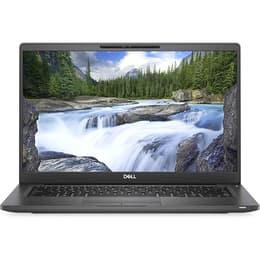
Dell Latitude 7400 14"
Starting at

Refurbished price:276.00

Versus €629.00 new

See options
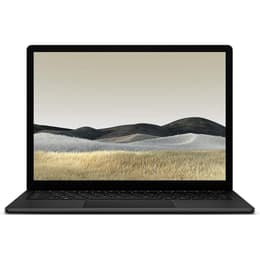
Microsoft Surface Laptop 3 13"
Starting at

Refurbished price:235.00

Versus €689.99 new

See options

Ratings

The Dell Latitude 7400 14, released in 2019, and the Microsoft Surface Laptop 3 13, also from 2019, are both Windows-based laptops designed for different user priorities. While the Latitude 7400 focuses on business-grade durability and extensive connectivity, the Surface Laptop 3 emphasizes a premium design and a distinctive display for everyday productivity. Both devices operate on the Windows platform, offering a familiar software experience.

Scores

Durability

Both the Dell Latitude 7400 14 and the Microsoft Surface Laptop 3 13 were introduced in 2019, placing them in a similar generation for software support and expected lifespan.

  • OS Support: As Windows laptops, both devices receive operating system updates directly from Microsoft, ensuring continued security and feature enhancements for several years. Dell, as a business-focused manufacturer, typically provides robust driver and firmware support for its Latitude series, which can extend the practical usability of the hardware.
  • Repairability: The Dell Latitude 7400 generally offers more accessible internal components, including two RAM slots for potential upgrades, which can contribute to a longer functional life. The Surface Laptop 3, while featuring a premium unibody design, has soldered RAM, limiting upgrade options, though its SSD is designed to be removable by a skilled technician.
  • Expected Lifespan: Given their original positioning as premium devices, both laptops are built with quality materials and are expected to offer several years of reliable performance with appropriate care and maintenance.

Year of Release

2019

2019

OS

Windows 11

Windows 11

Performance

Performance in both laptops is suitable for common computing tasks, though they approach it with slightly different configurations and real-world outcomes.

  • Processing Power: The Dell Latitude 7400 14 typically features 8th-generation Intel processors, while the Microsoft Surface Laptop 3 13 generally incorporates 10th-generation Intel processors. This means the Surface Laptop 3 often provides a slight edge in raw computing and integrated graphics performance, leading to faster application loading and smoother handling of more intensive tasks.
  • Multitasking Capability: Both models offer configurations with ample RAM, up to 16GB or 32GB, allowing for efficient multitasking across various applications. The Dell Latitude 7400's dual RAM slots provide flexibility for future memory upgrades, which can extend its capacity for handling increasingly demanding software.
  • Battery Performance: The Dell Latitude 7400 is noted for its extended battery life, with some configurations and usage patterns yielding over 13 to 20 hours on a single charge, making it well-suited for prolonged use away from a power outlet. The Surface Laptop 3 also offers good battery performance, typically providing around 9 to 11 hours of use in web browsing scenarios, sufficient for a full workday for many users.
  • Storage: Both laptops come with fast SSD storage options, ranging up to 1TB, ensuring quick boot times and rapid data access.

Memory (GB)

16 GB

8 GB

Processor

Core i7 - Gen 8 (U)

Core i5 - Gen 10 (G7)

Graphic card

Integrated Graphics

Integrated Graphics

Screen quality

The visual experience on these two laptops presents a clear distinction, primarily in display technology, aspect ratio, and overall clarity.

  • Display Technology and Resolution: The Dell Latitude 7400 14 features a 14-inch Full HD (1920x1080) IPS display, providing clear visuals and good viewing angles. The Microsoft Surface Laptop 3 13, on the other hand, boasts a 13.5-inch PixelSense touchscreen IPS panel with a higher resolution of 2256 x 1504 pixels. This results in a higher pixel density for the Surface Laptop 3 (201 ppi) compared to the Latitude 7400 (157 ppi), offering noticeably sharper text and finer detail.
  • Aspect Ratio and Productivity: The Latitude 7400 uses a traditional 16:9 aspect ratio, which is common for media consumption. The Surface Laptop 3's 3:2 aspect ratio provides more vertical screen real estate, which many users find beneficial for productivity tasks such as document editing, web browsing, and coding, as it reduces the need for scrolling.
  • Brightness and Outdoor Visibility: The Surface Laptop 3 typically achieves brightness levels between 348 and 400 nits, making it generally comfortable for use in various indoor and moderately bright outdoor environments. The Dell Latitude 7400's display brightness ranges from approximately 285 to 342 nits, which is adequate for indoor use but may be less optimal in very bright outdoor conditions.
  • Touchscreen and Pen Support: The Surface Laptop 3 includes a multi-touch display with Surface Pen support, enhancing its versatility for creative work or note-taking. While the Dell Latitude 7400 also has touchscreen options, it is not a standard feature across all configurations.

Audiovisual

Both laptops include integrated cameras and audio systems designed for communication and general media consumption.

  • Webcam Quality: Both the Dell Latitude 7400 14 and the Microsoft Surface Laptop 3 13 are equipped with 720p HD webcams, which are standard for video conferencing and online meetings. User experiences suggest the Surface Laptop 3's webcam is clear and effective for its purpose.
  • Microphone Performance: The Surface Laptop 3 features dual far-field studio microphones, designed to capture clear audio and reduce background noise during calls. The Latitude 7400 also includes internal microphones suitable for general use.
  • Speaker Output: The Microsoft Surface Laptop 3 incorporates Omnisonic speakers with Dolby Audio Premium, which are often praised by users for delivering clear, loud, and surprisingly rich sound, even without visible speaker grilles. The Dell Latitude 7400 provides standard stereo speakers, offering a functional audio experience for everyday tasks and media.
  • Security Features: Both devices offer advanced biometric security. The Surface Laptop 3 includes Windows Hello facial recognition for convenient and secure login. The Dell Latitude 7400 also offers optional IR facial recognition and a fingerprint reader for enhanced security.

Miscellaneous

Beyond core performance and display, several practical elements differentiate these two laptops in terms of connectivity, design, and user interaction.

  • Connectivity Options: Both devices support modern wireless standards, including Wi-Fi 5 (802.11ac) or Wi-Fi 6 (802.11ax) and Bluetooth 5.0, ensuring reliable network and peripheral connections. The Dell Latitude 7400 also offers optional LTE mobile broadband for connectivity in areas without Wi-Fi.
  • Port Selection: The Dell Latitude 7400 provides a comprehensive array of ports, including a Thunderbolt 3 port, multiple USB 3.1 Type-A ports, HDMI, a microSD card reader, and a 3.5mm audio jack, catering to a wide range of peripherals and external displays. The Microsoft Surface Laptop 3 13 offers a more streamlined selection, featuring a USB-A port, a USB-C port (which supports data, charging, and display out but is not Thunderbolt 3), a 3.5mm headphone jack, and a proprietary Surface Connect port.
  • Physical Design and Portability: The Surface Laptop 3 13 is generally lighter and slightly thinner, weighing around 1.25 kg to 1.29 kg, making it highly portable. It features an all-metal chassis or an Alcantara fabric keyboard deck, contributing to its premium aesthetic. The Dell Latitude 7400 14 is slightly heavier, ranging from 1.35 kg to 1.535 kg, and offers a choice of aluminum or carbon fiber builds, emphasizing its business-rugged design.
  • Input Devices: Both laptops are praised for their comfortable keyboards and responsive trackpads, crucial for extended typing sessions. The Surface Laptop 3's trackpad is notably larger than previous models, enhancing navigation.

Weight

1400 g

3000 g

Screen size

14

13

The Dell Latitude 7400 14 and the Microsoft Surface Laptop 3 13, both released in 2019, cater to distinct user needs, each excelling in different areas. User feedback often praises the Latitude 7400 for its exceptional battery life, robust build quality, and extensive port selection, making it a reliable workhorse for professionals who require diverse connectivity and long hours away from power outlets. Some users, however, have noted that its display brightness could be improved for outdoor visibility and that fan noise can be present in certain scenarios.

Conversely, the Surface Laptop 3 13 is frequently lauded for its premium, sleek design, vibrant 3:2 aspect ratio PixelSense display, and comfortable keyboard and trackpad, offering a refined user experience. Its Omnisonic speakers also receive positive remarks for their audio quality. Common criticisms include a more limited port selection, specifically the absence of Thunderbolt 3, and a display that can be reflective in bright environments.

Users prioritizing a highly portable device with a high-resolution, productivity-focused touchscreen and a premium aesthetic may find the Microsoft Surface Laptop 3 13 well-suited to their needs. Its strong audio and comfortable input devices also make it a compelling choice for general use and content consumption. For those who require a business-grade laptop with maximum connectivity, superior battery endurance, and the flexibility of RAM upgrades, the Dell Latitude 7400 14 presents a strong option. Considering a quality-assured refurbished option for either model can provide an eco-friendly alternative for acquiring these capable laptops.

See all articles

Our recent comparisons