

Compare models
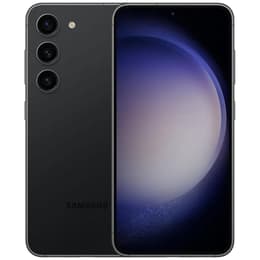
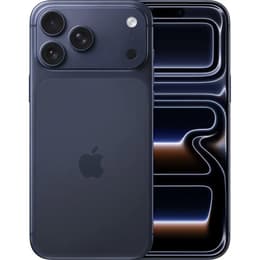
Galaxy S23 Vs iPhone 17 Pro Max
- 1-year minimum warranty
- Free delivery on all orders
- Free 30-day returns
Differences at a glance
The Samsung Galaxy S23 (2023) and the Apple iPhone 17 Pro Max (2025) represent two distinct approaches to high-end smartphone design, bridging different release years and distinct mobile ecosystems. While the Galaxy S23 delivers a compact, pocket-friendly Android experience, the iPhone 17 Pro Max offers a much larger format powered by iOS alongside extended generation intervals. Choosing between them depends heavily on preferred operating systems, physical dimensions, and media consumption requirements.
Available Models
Colour
Storage
Scores
Durability
Device longevity and software support timelines differ notably due to their respective release years, influencing how long each phone remains current in daily use.
- Software Support Window: The iPhone 17 Pro Max benefits from a later release year, positioning it to receive software updates and security patches further into the future compared to the older Galaxy S23.
- Build and Repairability: Both models utilize robust aluminum frames and reinforced glass panels with high-level water and dust resistance, while maintaining standard repair pathways through certified service networks.
- Expected Lifespan: Both devices feature resilient internal components capable of maintaining reliable daily operation over several years of standard ownership.
Year of Release
2023
2025
Compatible with latest Update
Yes
Yes
OS
Android
iOS
Foldable
No
No
Performance
System responsiveness and everyday utility vary across these models based on hardware optimization, multitasking capabilities, and available storage configurations.
- App Loading and Multitasking: Both devices handle demanding applications, heavy multitasking, and complex gaming smoothly without noticeable stutter or thermal throttling during extended use.
- Battery Behavior: The iPhone 17 Pro Max incorporates a larger physical footprint that accommodates extended battery capacities for intensive all-day use, whereas the compact Galaxy S23 relies on efficient power management to sustain everyday tasks.
- Storage Configurations: Both smartphones offer multiple internal storage tiers to accommodate large media libraries, applications, and offline files without requiring external expansion.
Screen quality
Display characteristics differ significantly in physical scale and visual metrics, impacting outdoor visibility and media viewing comfort.
- Display Technology: Both models feature advanced OLED panels that deliver deep black levels, high contrast ratios, and vibrant color reproduction for daily viewing.
- Brightness and Outdoor Legibility: The iPhone 17 Pro Max reaches exceptionally high peak outdoor brightness levels, while the Galaxy S23 maintains clear visibility under direct sunlight using standard adaptive luminance controls.
- Size and Refresh Rate: The Galaxy S23 provides a compact 6.1-inch screen with smooth adaptive refresh rates, whereas the iPhone 17 Pro Max offers a much larger 6.9-inch viewing area tailored for productivity and immersive media consumption.
Resolution
1080 x 2340
2868x1320
Screen type
Dynamic AMOLED 2X
Super Retina XDR
Audiovisual
Imaging and audio hardware differ across both options, offering versatile capabilities for photography, video recording, and media playback.
- Camera Systems: Both devices utilize multi-lens configurations featuring high-resolution main sensors and ultra-wide capabilities that capture detailed imagery in diverse lighting conditions.
- Video and Audio Recording: Both smartphones provide stable, high-definition video recording features accompanied by clear microphone arrays suitable for voice calls and content creation.
- Media Playback: Built-in stereo speaker systems on both models deliver clear audio output for hands-free calls, casual video viewing, and music listening.
Main camera
50 megapixels
48 megapixels
Front camera
12 megapixels
18 megapixels
Miscellaneous
Physical handling, connectivity standards, and daily ergonomics highlight practical differences in how each device feels and operates.
- Dimensions and Weight: The Galaxy S23 features a lightweight, compact frame that fits easily into smaller pockets and enables comfortable single-handed use, whereas the iPhone 17 Pro Max presents a heavier, substantially larger body that requires two-handed navigation.
- Connectivity Standards: Both phones support modern fifth-generation cellular networks, fast wireless protocols, and secure biometric authentication methods.
- Physical Ports: Each device utilizes a standard reversible cable interface for charging and data transfer in accordance with contemporary industry standards.
Weight
167 g
233 g
Screen size (in)
6.1
6.9
Network
5G
5G
SIM card
Physical SIM + eSIM
eSIM
Carrier compatibility
Unlocked
Unlocked
What the community thinks
User feedback and community discussions highlight distinct preferences for each device based on everyday practicalities. Owners of the Galaxy S23 frequently praise its lightweight, compact form factor that easily fits into pockets and allows comfortable one-handed operation. At the same time, users often note that its smaller physical battery requires more frequent charging during heavy media days. Conversely, users of the iPhone 17 Pro Max frequently highlight its expansive screen estate and long-lasting battery endurance as major assets for productivity and entertainment, though some point out that its larger dimensions and heavier weight can feel cumbersome during extended handheld use.
Users prioritizing a pocket-friendly, lightweight device for easy single-handed handling may prefer the Galaxy S23. Meanwhile, users prioritizing maximum screen space, high-tier media immersion, and extended battery endurance will lean toward the iPhone 17 Pro Max. For shoppers seeking a sustainable choice, exploring a quality-assured refurbished option provides an eco-friendly alternative that reduces electronic waste while delivering fully tested hardware performance. Ultimately, the right choice depends on personal preferences regarding operating systems, physical proportions, and daily usage habits.