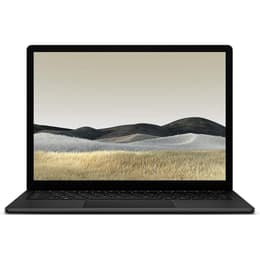


Dell Latitude 7390 13" Vs Microsoft Surface Laptop 3 13"

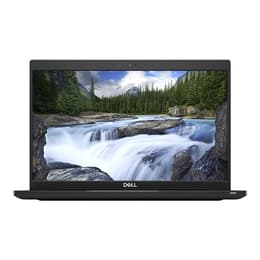
Dell Latitude 7390 13"
Starting at

Refurbished price:395.00

Versus €733.00 new

See options
Microsoft Surface Laptop 3 13"
Starting at

Refurbished price:234.00

Versus €689.99 new

See options

The Dell Latitude 7390 13, released in 2018, and the Microsoft Surface Laptop 3 13, launched in late 2019, are both portable laptops designed for productivity and everyday use. While both run on the Windows operating system, they cater to slightly different user preferences through their design philosophies and feature sets. The Latitude 7390 emphasizes business-grade durability and extensive port selection, whereas the Surface Laptop 3 focuses on a premium aesthetic and a high-resolution display.

Scores

Durability

When considering the long-term usability of these laptops, their release timelines and design for longevity play a significant role. Both devices run on the Windows operating system, ensuring continued software support and updates from Microsoft for several years. The Dell Latitude 7390, being a business-oriented machine, is built with robust materials and often undergoes rigorous testing for durability.

  • Release Timeline: The Dell Latitude 7390 was introduced in 2018, preceding the Microsoft Surface Laptop 3 13, which arrived in late 2019. This difference in release year means the Surface Laptop 3 may receive operating system updates for a slightly longer period.
  • Build and Testing: The Latitude 7390 is MIL-STD 810G certified, indicating its resilience against environmental factors like extreme temperatures, vibrations, and shocks, suggesting a robust physical lifespan. The Surface Laptop 3 features a premium all-metal chassis or an Alcantara fabric option, contributing to its perceived durability.
  • Repairability: The Surface Laptop 3 marked an improvement in repairability for Microsoft devices, with iFixit giving it a 5 out of 10 score, noting that the SSD is modular and easier to replace, though the battery remains challenging to service due to strong adhesive. Business laptops like the Latitude series are generally designed with serviceability in mind, though specific repairability scores for the 7390 are less widely published.

Year of Release

2017

2019

OS

Windows 11

Windows 11

Performance

The performance capabilities of these laptops are influenced by their internal components, impacting how smoothly they handle daily tasks and more demanding applications. Both offer configurations suitable for general productivity, but their processor generations and memory configurations present some distinctions.

  • Processor Generations: The Dell Latitude 7390 typically features 8th generation Intel Core processors, providing solid performance for office applications, web browsing, and light multitasking. The Microsoft Surface Laptop 3 13, being a newer device, incorporates 10th generation Intel Core processors, which generally offer improved efficiency and slightly better performance for everyday computing and integrated graphics tasks.
  • Memory and Storage: Both laptops offer various RAM configurations, with the Latitude 7390 often featuring DDR4 RAM, sometimes with upgradeable slots, while the Surface Laptop 3 utilizes LPDDR4X RAM that is typically soldered to the motherboard, meaning it cannot be upgraded after purchase. Both come with Solid State Drive (SSD) storage options, ranging from 128GB to 1TB, ensuring fast boot times and application loading. The Surface Laptop 3's SSD is designed to be replaceable by a skilled technician, offering some flexibility for storage upgrades.
  • Real-world Usage: Users of the Latitude 7390 report speedy performance for typical business workloads and some image editing. The Surface Laptop 3 is noted for its responsiveness in daily use, handling multiple browser tabs and media consumption smoothly, and is capable of light gaming with adjusted settings.

Memory (GB)

8 GB

8 GB

Processor

Core i7 - Gen 8 (U)

Core i5 - Gen 10 (G7)

Graphic card

Integrated Graphics

Integrated Graphics

Screen quality

The visual experience on these laptops is a key differentiator, with both offering clear displays but varying in technology, aspect ratio, and brightness levels, which can affect usability in different environments.

  • Display Technology and Resolution: The Dell Latitude 7390 features a 13.3-inch Full HD (1920 x 1080) IPS display, providing clear visuals and good viewing angles. The Microsoft Surface Laptop 3 13 boasts a 13.5-inch PixelSense display with a higher resolution of 2256 x 1504 pixels and a 3:2 aspect ratio, which offers more vertical screen real estate, beneficial for document work and web browsing.
  • Brightness and Color: The Latitude 7390 typically offers a maximum brightness of around 300-307 nits and covers approximately 98% of the sRGB color gamut, delivering vibrant images. The Surface Laptop 3's display is generally brighter, reaching 348-400 nits, and also provides excellent color reproduction, covering 90-98% of the sRGB spectrum.
  • Touch and Finish: Both models offer touch-enabled screens. The Latitude 7390 is available with a matte touch screen, which helps reduce reflections in bright environments. The Surface Laptop 3 features a glossy touchscreen with Surface Pen support, which can be prone to reflections but offers a more vibrant appearance.

Audiovisual

For communication and media consumption, the camera and audio systems of these laptops provide distinct experiences, catering to different user needs for video calls and entertainment.

  • Webcam Quality: The Dell Latitude 7390 includes an HD webcam, suitable for standard video conferencing. The Microsoft Surface Laptop 3 13 features a 0.3-megapixel webcam, which is functional for video calls but may not offer the sharpest image quality.
  • Microphone and Speakers: The Latitude 7390 has integrated array microphones, and its speakers are described as adequate for general use, though some reviews note them as "shoddy". The Surface Laptop 3 is equipped with dual far-field Studio Mics, designed for clear voice capture, and its speakers deliver reasonable quality and surprisingly loud sound for media consumption.
  • Security Features: The Surface Laptop 3 integrates a Windows Hello facial-recognition camera, allowing for convenient and secure login. The Latitude 7390 also offers an IR face recognition option, which is noted for its speed and reliability, alongside an optical fingerprint reader.

Miscellaneous

Beyond core performance and display, several practical elements contribute to the overall user experience, including connectivity, physical design, and security features.

  • Connectivity Options: The Dell Latitude 7390 offers a comprehensive selection of ports, including two USB 3.1 Gen 1 (Type-A) ports, two USB Type-C ports (with DisplayPort and optional Thunderbolt 3 support), an HDMI 1.4 port, a microSD card reader, and an RJ45 Ethernet port on the non-2-in-1 model. The Microsoft Surface Laptop 3 13 provides a more streamlined port selection with one USB 3.1 Type-A port, one USB Type-C port (supporting Power Delivery and DisplayPort), a headphone jack, and a Surface Connect port for charging and docking. It notably lacks Thunderbolt 3 connectivity.
  • Design and Portability: The Latitude 7390 is available in various build materials, including machined aluminum, carbon fiber, or magnesium alloy, and weighs between 1.13 kg and 1.3 kg. The Surface Laptop 3 13 features a sleek, all-metal aluminum chassis or an Alcantara fabric keyboard deck option, weighing around 1.27 kg to 1.29 kg. Both are designed for portability, though the Surface Laptop 3 has a slightly thinner profile.
  • Security and Input: Both laptops offer biometric security options. The Latitude 7390 includes both an optical fingerprint reader and fast IR face recognition. The Surface Laptop 3 relies on its Windows Hello facial-recognition camera for secure login. Both feature backlit keyboards, with the Surface Laptop 3's keyboard and touchpad generally receiving praise for comfort and responsiveness.

Weight

1500 g

3000 g

Screen size

13

13

The Dell Latitude 7390 13 and the Microsoft Surface Laptop 3 13 each present a compelling package for users seeking a portable Windows laptop, with their strengths aligning with different priorities. Users frequently praise the Latitude 7390 for its robust build quality, extensive port selection, and reliable performance for business tasks. Its MIL-STD 810G certification and comprehensive connectivity, including optional Thunderbolt 3, make it a practical choice for professionals who require diverse peripheral support and durability in varied environments. Some common criticisms include its somewhat dated design and a keyboard that some users find less comfortable for extended typing sessions.

Conversely, the Microsoft Surface Laptop 3 13 is often lauded for its premium, minimalist design, high-resolution PixelSense display with a productivity-friendly 3:2 aspect ratio, and comfortable keyboard and trackpad. Its improved repairability over previous Surface models is also a positive point, particularly the modular SSD. However, users sometimes note its more limited port selection, specifically the absence of Thunderbolt 3, and the glossy nature of its screen which can be prone to reflections.

Users prioritizing a highly durable machine with a wide array of legacy and modern ports, and who value a matte display for glare reduction, may find the Dell Latitude 7390 13 well-suited to their needs. On the other hand, those who lean towards a more modern aesthetic, a higher-resolution display with touch and pen support, and a generally more refined user experience for everyday tasks and media consumption, might prefer the Microsoft Surface Laptop 3 13. Both models are available as quality-assured refurbished options, providing an eco-friendly alternative for consumers.
See all articles

Our recent comparisons