

Dell Latitude 7390 13" Vs HP EliteBook 840 G7 14"

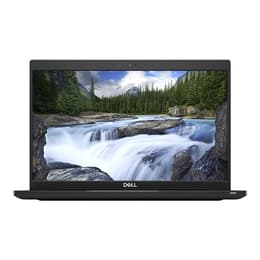
Dell Latitude 7390 13"
Starting at

Refurbished price:395.00

Versus €733.00 new

See options
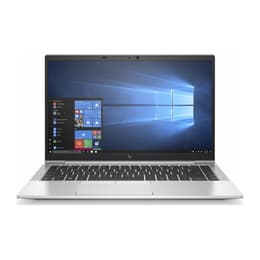
HP EliteBook 840 G7 14"
Starting at

Refurbished price:300.00

Versus €2,172.37 new

See options

The Dell Latitude 7390 13, released in early 2018, and the HP EliteBook 840 G7 14, launched in 2020, are business-oriented laptops designed for productivity and portability. While both offer robust features for professional use, the EliteBook 840 G7 benefits from a more recent release, bringing updated internal components and connectivity options. Both devices operate on the Windows platform, providing a familiar user experience for a wide range of applications.

Scores

Durability

When considering the long-term usability of these laptops, their release timelines and potential for ongoing software support are key factors. The Dell Latitude 7390, released in 2018, features 8th generation Intel processors, while the HP EliteBook 840 G7, from 2020, incorporates 10th generation Intel processors. This difference in release year generally translates to a longer period of official operating system and security updates for the HP model.

  • Software Longevity: The HP EliteBook 840 G7, being two years newer, is likely to receive official Windows updates and security patches for a longer duration than the Dell Latitude 7390, extending its practical software lifespan.
  • Repairability: Both models are business-grade laptops, often designed with a degree of repairability in mind to facilitate corporate IT maintenance. User reports for the Dell Latitude 7390 mention some concerns regarding battery swelling and motherboard issues, which could impact its long-term reliability for some users. The HP EliteBook 840 G7 generally receives positive remarks for its solid build, suggesting a durable chassis.
  • Expected Lifespan: While both are built for demanding professional environments, the newer components and potentially longer software support for the EliteBook 840 G7 may offer a slightly extended period of optimal performance and security compared to the Latitude 7390.

Year of Release

2017

2019

Last Os Compatibility

Yes

Yes

OS

Windows 11

Windows 11

Performance

The performance capabilities of these laptops are largely influenced by their respective generations of internal components, impacting how smoothly they handle daily tasks and more demanding applications.

  • Processor Capabilities: The Dell Latitude 7390 is equipped with 8th generation Intel Core processors, providing solid performance for general office tasks, web browsing, and light multitasking. The HP EliteBook 840 G7, featuring 10th generation Intel Core processors, offers enhanced processing power, leading to quicker application loading times and more fluid multitasking, particularly with more intensive software.
  • System Responsiveness: Both laptops typically come with Solid State Drives (SSDs) for storage, contributing to fast boot times and responsive system operation. The EliteBook 840 G7 often includes NVMe PCIe M.2 SSDs, which can offer faster data transfer speeds compared to some configurations of the Latitude 7390.
  • Multitasking and Memory: The Latitude 7390 supports up to 32GB of DDR4 RAM, while the EliteBook 840 G7 can be configured with up to 64GB of DDR4 RAM. This higher memory ceiling in the HP model allows for more extensive multitasking and better handling of memory-intensive applications, benefiting users who frequently work with numerous programs simultaneously or large datasets.
  • Battery Behavior: The Dell Latitude 7390, with its 60Wh battery option, can deliver around 10-14 hours of use in various tests. The HP EliteBook 840 G7, typically featuring a 53Wh battery, has shown impressive battery life, with some tests reporting over 18 hours of web browsing, though real-world usage can vary based on screen brightness and workload.

Memory (GB)

8 GB

8 GB

Processor

Core i7 - Gen 8 (U)

Core i5 - Gen 10 (U)

Graphic card

Integrated Graphics

Integrated Graphics

Screen quality

The visual experience on these laptops is defined by their display technology, resolution, and brightness, which are crucial for productivity and media consumption.

  • Display Technology and Resolution: Both the Dell Latitude 7390 and the HP EliteBook 840 G7 feature Full HD (1920x1080) IPS displays, providing sharp images and wide viewing angles suitable for professional work. The Latitude 7390 has a 13.3-inch screen, offering a compact viewing area. The EliteBook 840 G7 has a slightly larger 14-inch screen, which can provide a more expansive workspace.
  • Brightness and Clarity: The Latitude 7390 typically offers a brightness of around 300 nits, with an anti-glare finish for comfortable viewing in various lighting conditions. The EliteBook 840 G7 comes with multiple display options, including a base 250-nit panel and upgraded options reaching 400 nits or even 1000 nits with HP Sure View privacy technology. The higher brightness options on the EliteBook 840 G7 provide better visibility in brightly lit environments, such as outdoors or near windows.
  • Color Reproduction and Refresh Rate: The Latitude 7390's display covers approximately 98% of the sRGB color gamut, offering good color accuracy for general use. The EliteBook 840 G7's higher-end display options can achieve 97% sRGB coverage, making it suitable for tasks requiring accurate color representation. Both laptops typically feature a standard 60Hz refresh rate, which is adequate for business applications and general media consumption.

Resolution

1920 x 1080

1920 x 1080

Screen type

IPS

LCD

Camera

Audiovisual

For communication and multimedia, the camera, microphone, and speaker systems play a significant role in the overall user experience.

  • Camera Capabilities: Both the Dell Latitude 7390 and the HP EliteBook 840 G7 include an HD webcam, suitable for video conferencing and online meetings. The EliteBook 840 G7 often includes an optional IR camera for facial recognition and a physical privacy shutter, enhancing security and user convenience.
  • Microphone Quality: The Latitude 7390 features dual-array microphones for clear voice capture during calls. The EliteBook 840 G7 goes a step further with a 3 multi-array microphone system, designed to improve ambient noise cancellation and ensure clearer audio input, particularly in busy environments.
  • Speaker Output: The Dell Latitude 7390 is equipped with 2x 2W speakers. User feedback suggests the speakers on the Latitude 7390 can be somewhat lacking in quality. The HP EliteBook 840 G7 features speakers tuned by Bang & Olufsen, generally providing a more refined audio experience for media consumption and calls.

Miscellaneous

Beyond core performance and display, several practical elements contribute to the daily usability and overall experience of these business laptops.

  • Connectivity Options: The Dell Latitude 7390 supports Wi-Fi 5 (802.11ac) and Bluetooth 4.2, with optional LTE for mobile connectivity. The HP EliteBook 840 G7 offers more modern connectivity with Wi-Fi 6 (802.11ax) and Bluetooth 5.0, along with optional 4G LTE and NFC, providing faster wireless speeds and more stable connections.
  • Port Selection: The Latitude 7390 includes a good array of ports, such as USB 3.0/3.1 Gen1, HDMI 1.4, Ethernet, a microSD card reader, and a USB Type-C port with optional Thunderbolt 3. The EliteBook 840 G7 also provides comprehensive connectivity with two USB-C ports (Thunderbolt 3 enabled and capable of charging), two USB 3.1 Gen 1 Type-A ports, HDMI 1.4b, and an optional SmartCard reader.
  • Physical Attributes: The Dell Latitude 7390 has a starting weight of approximately 1.17 kg (2.59 lbs) and measures around 16 mm (0.63 inches) in thickness. The HP EliteBook 840 G7 starts at about 1.32 kg (2.9 lbs) for non-touch models and is approximately 17.9 mm (0.70 inches) thick. The Latitude 7390 is slightly lighter and thinner, making it marginally more portable, while the EliteBook 840 G7 offers a larger screen in a slightly heavier and thicker chassis. Both feature durable build materials, with the Latitude offering magnesium alloy and carbon fiber options, and the EliteBook utilizing a machined aluminum chassis.

Weight

1500 g

1500 g

Screen size

13

14

Both the Dell Latitude 7390 13 and the HP EliteBook 840 G7 14 are capable business laptops, each with distinct strengths that cater to different user priorities. The Latitude 7390, as an earlier model, is often praised for its robust performance for its generation and long battery life, making it a reliable workhorse for everyday tasks. However, some users have noted its uninspired design, potentially noisy fans, and occasional reports of hardware issues like battery swelling or motherboard failures.

The HP EliteBook 840 G7, being a newer release, generally receives positive feedback for its refined design, improved keyboard, and excellent battery life, with some configurations offering very bright displays. Criticisms sometimes point to the base model's screen brightness and sound quality not matching higher-end configurations.

Users prioritizing a more compact and slightly lighter device for general productivity and who do not require the absolute latest in connectivity might find the Dell Latitude 7390 well-suited to their needs. Its established performance for its generation and solid battery life remain practical advantages. Conversely, users who value a more modern design, enhanced security features like a privacy shutter and IR camera, faster wireless connectivity (Wi-Fi 6), and potentially longer software support will likely lean towards the HP EliteBook 840 G7. Its larger screen option also provides a more expansive viewing experience.

For those seeking a sustainable choice, both models are available as quality-assured refurbished options, offering an eco-friendly alternative to purchasing new devices.


See all articles

Our recent comparisons