

Compare models

Dell Latitude 5430 14" Vs Lenovo ThinkPad T14 G1 14"

  • 1-year minimum warranty
  • Free delivery on all orders
  • Free 30-day returns
Dell Latitude 5430 14"
Starting at

Refurbished price:380.00

Versus €1,024.78 new

See options
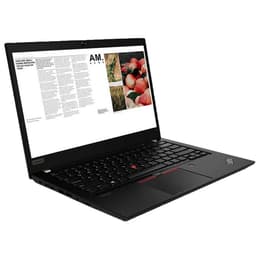
Lenovo ThinkPad T14 G1 14"
Starting at

Refurbished price:329.00

Versus €612.00 new

See options

Differences at a glance

The Dell Latitude 5430 (2022) and the Lenovo ThinkPad T14 Gen 1 (2020) are 14-inch mainstream business laptops designed for professional and academic environments. While both models run on Windows or Linux operating systems and feature durable business-class chassis, they represent different generation cycles and design philosophies. The Dell Latitude 5430 introduces a newer hardware platform with updated internal components, whereas the Lenovo ThinkPad T14 Gen 1 relies on an established architectural foundation known for robust enterprise support and modular parts availability.

Available Models

Storage (GB)

Processor

Memory (GB)

Scores

Durability

When evaluating long-term reliability and support, both laptops provide solid enterprise-grade lifespans, though their release years and hardware lifecycles differ significantly.

  • Release timeline and hardware age: The Lenovo ThinkPad T14 Gen 1 debuted earlier in 2020, while the Dell Latitude 5430 launched two years later in 2022, granting the Dell model a more recent hardware baseline.
  • Software and firmware updates: Both manufacturers offer extensive driver and BIOS support cycles, though the newer Dell model extends active firmware updates further into the decade.
  • Repairability and lifespan: Both devices offer modular components, such as replaceable storage and expandable memory slots, making quality-assured refurbished options sustainable choices for long-term daily use.

Year of Release

2022

2019

OS

Windows 11

Windows 11

Performance

Daily responsiveness and multitasking capabilities vary based on the generation of internal architecture and memory configurations packed inside each machine.

  • Everyday system speed: The Dell Latitude 5430 handles demanding office applications, heavy browser tabs, and routine multitasking smoothly thanks to its current-generation processor and responsive architecture.
  • Memory and storage flexibility: Both laptops support configurable solid-state drives and upgradeable memory modules, allowing users to tailor storage capacities and RAM sizes to specific workflow needs.
  • Battery behavior: Energy-efficient components in both models generally sustain a typical workday of mixed productivity tasks, though heavy processing loads will require more frequent recharging.

Graphic card

Integrated Graphics

Integrated Graphics

Screen quality

Display configurations span multiple panel types across both lineups, directly impacting visual clarity, brightness, and comfort during extended viewing sessions.

  • Panel technology and resolution: Both devices offer crisp high-definition or full high-definition panels with anti-glare coatings, though higher-tier configurations utilize vibrant IPS technology for wider viewing angles.
  • Outdoor visibility: Maximum brightness levels vary depending on the specific panel tier chosen, with standard screens performing well indoors while brighter configurations manage sunlit environments more effectively.
  • Refresh rate and visual smoothness: Both laptops operate at a standard refresh rate suitable for document reading, video streaming, and everyday professional applications.

Resolution

1920 x 1080

1920 x 1080

Audiovisual

Media consumption, video conferencing, and audio output capabilities cater directly to remote collaboration and daily multimedia use.

  • Webcam and conferencing: Integrated cameras with privacy shutters provide clear video feeds for virtual meetings, supported by dual-array microphones that isolate background noise.
  • Speaker output: Built-in stereo speakers deliver adequate sound levels for conference calls and casual video streaming in quiet indoor spaces.
  • Recording performance: Integrated microphones capture clear speech quality, reducing the need for external peripherals during routine voice calls or online classes.

Miscellaneous

Physical design elements, port selections, and connectivity standards dictate how easily each laptop integrates into existing desk setups and travel bags.

  • Port selection: Both machines feature robust input arrays, including multiple standard USB ports, video output connections, and high-speed data transfer ports.
  • Wireless connectivity: Advanced wireless cards and bluetooth standards ensure stable internet connections and reliable peripheral pairing.
  • Portability and build: Weighing close to 1.4 kilograms with durable composite or reinforced chassis designs, both laptops withstand frequent transit between home, office, and classrooms.

Weight

1360 g

2500 g

Screen size

14

14

What the community thinks

User feedback from online communities highlights distinct preferences for each laptop based on daily workflow demands. Owners of the Dell Latitude 5430 frequently praise its contemporary processor efficiency, lightweight mobility, and reliable thermal management during intensive multitasking. Conversely, users of the Lenovo ThinkPad T14 Gen 1 often emphasize appreciation for its legendary keyboard tactile feedback, robust physical durability, and extensive hardware compatibility with alternative operating systems like Linux.

Users prioritizing a newer hardware generation and extended software support timelines may prefer the Dell Latitude 5430, while users seeking a classic enterprise typing experience and strong legacy port integration often lean toward the Lenovo ThinkPad T14 Gen 1. Both devices serve as practical productivity tools. Choosing a quality-assured refurbished option provides an eco-friendly alternative that extends device life cycles without compromising on performance or reliability.


Our recent comparisons