

Dell Latitude 5490 14" Vs Microsoft Surface Laptop 3 13"

Dell Latitude 5490 14"
Starting at

Refurbished price:325.00

Versus €793.00 new

See options
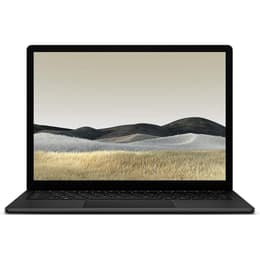
Microsoft Surface Laptop 3 13"
Starting at

Refurbished price:234.00

Versus €689.99 new

See options

Ratings

The Dell Latitude 5490, released around October 2018, and the Microsoft Surface Laptop 3 13-inch, launched in October 2019, represent distinct approaches to portable computing. While both devices operate on the Windows platform, they cater to different user priorities through their design, internal components, and feature sets. The Latitude 5490 emphasizes business-grade durability and extensive connectivity, whereas the Surface Laptop 3 prioritizes a premium aesthetic, a high-resolution display, and a more streamlined user experience.

Scores

Durability

When considering the long-term usability of these laptops, their release timelines and design philosophies play a significant role in their expected practical lifespan and software support.

  • Release Timeline and OS Support: The Microsoft Surface Laptop 3, being released in late 2019, benefits from a slightly newer hardware generation, potentially extending its official Windows operating system support by an additional year compared to the Dell Latitude 5490, which debuted in 2018. Both devices are capable of running current Windows versions, but the Surface Laptop 3 may receive feature updates for a longer duration.
  • Repairability and Build: The Dell Latitude 5490 is designed with business environments in mind, often featuring a more modular internal layout that can facilitate easier repairs and component upgrades, contributing to a longer physical lifespan. The Surface Laptop 3, while showing improved repairability over its predecessors with an iFixit score of 5 out of 10, still has some components, like the battery, that are more challenging to replace due to strong adhesive.
  • Durability Considerations: The Latitude 5490 typically features a robust, utilitarian build with a matte black finish and carbon-fiber elements, designed to withstand daily business travel and use. The Surface Laptop 3 offers a sleek, all-metal chassis or an Alcantara keyboard deck, providing a more refined feel, though some users note its susceptibility to fingerprints on certain finishes.

Year of Release

2017

2019

OS

Windows 11

Windows 11

Performance

The performance capabilities of these two laptops reflect their respective release years and target audiences, impacting how smoothly they handle various tasks from everyday productivity to more demanding applications.

  • Processing Power: The Surface Laptop 3 features a more recent generation of processors, which generally translates to improved efficiency and faster execution of daily tasks, including web browsing, document editing, and light creative work. The Latitude 5490, equipped with an earlier generation of processors, still offers solid performance for general office productivity and multitasking.
  • Multitasking and Responsiveness: Both laptops can be configured with ample RAM, allowing for smooth multitasking across multiple applications. The Surface Laptop 3's newer memory technology (LPDDR4x) and faster storage options (SSD only) contribute to quicker boot times and application loading. The Latitude 5490 also supports SSD storage, which significantly enhances its responsiveness compared to traditional hard drives.
  • Battery Behavior: The Dell Latitude 5490 often provides strong battery life, with some configurations lasting over 15 hours in specific tests, making it suitable for extended workdays without a power outlet. The Surface Laptop 3 also offers substantial battery life, typically ranging from 8 to 11.5 hours of mixed use, providing all-day power for many users.

Memory (GB)

8 GB

8 GB

Processor

Core i5 - Gen 8 (U)

Core i5 - Gen 10 (G7)

Graphic card

Integrated Graphics

Integrated Graphics

Screen quality

The visual experience on these laptops differs notably, primarily due to their display technologies, resolutions, and aspect ratios, influencing clarity, color reproduction, and overall viewing comfort.

  • Display Technology and Resolution: The Microsoft Surface Laptop 3 features a 13.5-inch PixelSense display with a resolution of 2256x1504 pixels and a 3:2 aspect ratio, offering a sharper image and more vertical screen real estate, which can be beneficial for document work and web browsing. The Dell Latitude 5490 typically comes with a 14-inch Full HD (1920x1080) or HD (1366x768) anti-glare display with a 16:9 aspect ratio, providing a standard viewing experience suitable for general tasks.
  • Brightness and Clarity: The Surface Laptop 3's display generally offers higher brightness levels, often around 348-405 nits, making it more comfortable for use in varied lighting conditions, including outdoors. Its higher pixel density also contributes to clearer text and images. The Latitude 5490's display typically has a brightness of around 220 nits, which is adequate for indoor use but may struggle in bright environments.
  • Color and Touch: The Surface Laptop 3's PixelSense display is known for its vibrant colors and good contrast, covering a significant portion of the sRGB color gamut, and includes touch functionality. While the Latitude 5490 may offer a touchscreen option, its color reproduction and contrast are generally more modest, aligning with its business-focused design.

Audiovisual

The audio and visual capabilities, particularly the camera and speakers, are important for communication and media consumption, and these two laptops offer different strengths in these areas.

  • Camera Quality: Both the Dell Latitude 5490 and the Microsoft Surface Laptop 3 feature a 720p HD webcam, suitable for video conferencing and online meetings. The Surface Laptop 3 enhances the user experience with Windows Hello facial recognition for secure and convenient login.
  • Microphone and Speaker Performance: The Surface Laptop 3 is equipped with Omnisonic Speakers with Dolby Audio and dual far-field Studio Mics, which are often praised by users for their clarity and volume, making it well-suited for calls and media. The Latitude 5490 provides functional audio for business use, though some reviews indicate its speakers are not a highlight and may be considered subpar for media consumption.
  • Media Consumption Experience: For users who frequently consume media, the Surface Laptop 3's superior display quality and audio system offer a more immersive experience. The Latitude 5490, while capable, is more geared towards productivity, where audio and visual fidelity are secondary to functionality.

Miscellaneous

Beyond core performance and display, several practical elements differentiate these laptops, including their connectivity options, physical design, and additional features that impact daily usability.

  • Connectivity Options: The Dell Latitude 5490 offers a comprehensive selection of ports, including multiple USB-A 3.1 Gen 1 ports, a USB-C port with DisplayPort, HDMI, VGA, Ethernet (RJ-45), and an SD card reader, catering to a wide range of peripherals and legacy connections. The Microsoft Surface Laptop 3 provides a more modern, streamlined port selection with one USB-A, one USB-C (without Thunderbolt 3 support), a Surface Connect port for charging and docking, and a headphone jack.
  • Weight and Dimensions: The Surface Laptop 3 is designed for portability, weighing approximately 1.25 kg to 1.27 kg, making it lighter and thinner than the Latitude 5490, which typically weighs around 1.59 kg to 1.6 kg. This difference in weight and thickness makes the Surface Laptop 3 more convenient for frequent travel.
  • Build Materials and Design: The Surface Laptop 3 features a sleek, minimalist design with either an all-metal chassis or an Alcantara fabric keyboard deck, offering a premium tactile experience. The Latitude 5490 has a more utilitarian, business-oriented design with a sturdy, matte black finish, prioritizing function and durability.

Weight

1600 g

3000 g

Screen size

14

13

User feedback for the Dell Latitude 5490 often highlights its robust build quality, reliable performance for business tasks, and extensive port selection as key strengths. Many appreciate its comfortable keyboard and long battery life, making it a dependable workhorse. Criticisms sometimes point to its less vibrant display and functional, rather than premium, design.

The Microsoft Surface Laptop 3 is frequently praised for its elegant design, high-resolution PixelSense display, and comfortable keyboard and trackpad. Users often commend its strong audio performance and overall responsiveness for everyday use. Common concerns include its more limited port selection (lacking Thunderbolt 3) and the reflective nature of its screen. Some users also note that while repairability improved, battery replacement can still be challenging.

Users prioritizing a comprehensive array of connectivity options, a highly durable build designed for business environments, and potentially easier internal maintenance may find the Dell Latitude 5490 well-suited to their needs. This device is a practical choice for professionals who require a reliable machine for demanding workdays and diverse peripheral connections.

Conversely, users who value a sleek, premium design, a sharper and more vibrant display for media and detailed work, and a lighter, more portable form factor will likely lean towards the Microsoft Surface Laptop 3. It is an excellent option for those seeking a refined user experience with strong performance for general productivity and creative tasks, and it can be a quality-assured refurbished option for a sustainable choice.


See all articles

Our recent comparisons