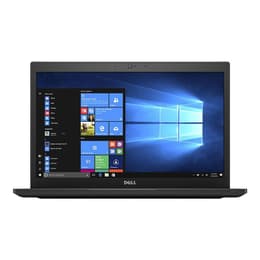


Dell Latitude 5490 14" Vs Dell Latitude 7490 14"

Dell Latitude 5490 14"
Starting at

Refurbished price:325.00

Versus €793.00 new

See options
Dell Latitude 7490 14"
Starting at

Refurbished price:307.00

Versus €636.00 new

See options

Ratings

The Dell Latitude 5490 and Dell Latitude 7490 are 14-inch business-oriented laptops, both released in 2018, designed for productivity and reliability. While they share a common foundation and operate on the Windows ecosystem, the Latitude 7490 is generally positioned as a more refined offering, featuring subtle enhancements in build quality, display characteristics, and advanced connectivity options compared to the Latitude 5490. Both models aim to provide a dependable computing experience for professionals and students alike.

Scores

Durability

Both the Dell Latitude 5490 and 7490, having been released in 2018, share a similar starting point for software support and overall longevity. As business-grade laptops, they were constructed with durability in mind, aiming for a practical lifespan that extends beyond typical consumer devices. Both models are compatible with Windows 11, ensuring continued access to current software and security updates for the foreseeable future. Dell typically provides driver support for several years, which further contributes to their sustained usability.

  • Build Durability: The Latitude 5490 features a sturdy plastic chassis, often with a carbon fiber lid, providing a robust feel. The Latitude 7490 elevates this with a magnesium alloy chassis and a soft-touch finish, frequently including a carbon fiber lid, contributing to a rigid and durable construction.
  • Repairability: Both laptops are designed with user-serviceability in mind, allowing for relatively straightforward upgrades and replacements of components such as RAM, storage, and batteries, which can extend their practical life.
  • Software Longevity: Users can expect ongoing software compatibility and security updates, as both devices support modern operating systems, providing a consistent user experience for years to come.

Year of Release

2017

2017

Last Os Compatibility

Yes

Yes

OS

Windows 11

Windows 11

Performance

The performance of both the Latitude 5490 and 7490 is driven by 8th generation Intel Core processors, offering solid capabilities for everyday business tasks and multitasking. While both can handle demanding applications, specific configurations and storage types often dictate the primary differences in responsiveness.

  • Processing Power: Both models typically feature quad-core processors that capably handle demanding applications and multitasking, ensuring responsive performance for web browsing, document editing, presentations, and video conferencing.
  • System Responsiveness: The Latitude 7490 more commonly features faster NVMe SSDs, which can result in quicker boot times and faster application launches compared to some configurations of the 5490 that might use slower SATA SSDs or traditional hard drives.
  • Multitasking Capability: Both laptops support up to 32GB of DDR4 RAM across two slots, allowing for smooth multitasking even with numerous applications open simultaneously.

Memory (GB)

8 GB

8 GB

Processor

Core i5 - Gen 8 (U)

Core i5 - Gen 8 (U)

Graphic card

Integrated Graphics

Integrated Graphics

Screen quality

The display experience on these laptops caters to productivity, with both offering 14-inch screens. While they share common resolutions, there are distinctions in panel technology and brightness that can impact daily use.

  • Display Technology and Resolution: Both the Latitude 5490 and 7490 typically feature 14-inch Full HD (1920x1080) displays, with IPS or WVA panel options, providing clear visuals for text and images.
  • Brightness and Clarity: The Latitude 7490 generally offers a brighter display, with some configurations reaching around 294 nits, which can improve visibility in well-lit environments. The Latitude 5490's screen typically ranges from 200 to 220 nits, which is suitable for typical office use but may appear dimmer in brighter conditions.
  • Viewing Experience: The 7490 often comes with a matte finish, which helps reduce glare and reflections, making it comfortable for extended viewing periods. Some users of the 5490 have noted that the screen can appear somewhat dim or have a yellowish tint in certain conditions.

Resolution

1920 x 1080

1920 x 1080

Screen type

IPS

IPS

Camera

Audiovisual

For communication and media consumption, both Latitude models include integrated cameras and audio systems, designed for business and general use rather than high-fidelity multimedia production.

  • Camera Performance: Both the Latitude 5490 and 7490 are equipped with HD fixed-focus webcams, typically 720p or 0.9-megapixel sensors. These cameras are generally considered average, providing sufficient quality for video calls and online meetings, though details can appear washed out and grainy in lower light conditions.
  • Microphone Quality: Both laptops feature integrated microphones, often dual-array, which are adequate for capturing voice during calls and recordings.
  • Speaker Output: The speakers on both models are generally suitable for basic audio playback, such as system sounds and voice calls. However, some users have reported that the speakers on both the 5490 and 7490 can produce rather tinny audio and may lack bass, suggesting that headphones or external speakers would enhance the media consumption experience.

Miscellaneous

Beyond core performance, several practical elements differentiate the user experience and flexibility of these two Latitude laptops, impacting their suitability for various workflows.

  • Connectivity Options: Both models offer comprehensive connectivity, including Wi-Fi 802.11ac, Bluetooth 4.2, and Gigabit Ethernet. A notable difference is that the Latitude 7490 offers an optional Thunderbolt 3 port, providing versatile high-speed connectivity for external displays, storage, and docking solutions, a feature not available on the Latitude 5490. The 5490 does include a VGA port, which the 7490 typically omits.
  • Port Types: Both laptops provide a good selection of ports, including multiple USB 3.1 Gen 1 (Type-A) ports, HDMI, an SD card reader, and a headphone/mic combo jack.
  • Weight and Dimensions: The Latitude 7490 is generally lighter and slightly more compact, weighing around 1.4 kg (3.1 lbs). The Latitude 5490 is a bit heavier, at approximately 1.59 kg (3.5 lbs) to 1.7 kg (3.75 lbs), making the 7490 a more portable option for users who frequently travel or move between workspaces.

Weight

1600 g

7500 g

Screen size

14

14

User feedback for the Dell Latitude 5490 often highlights its fast CPU performance, robust build quality despite its plastic construction, and very good battery life, making it a reliable workhorse for many. However, common criticisms include a sometimes dim or uninspiring screen, potential issues with overheating or sleep modes, and less impressive audio output.

The Dell Latitude 7490 receives praise for its speed, comfortable keyboard, and generally long battery life, alongside a more premium and durable chassis. Users appreciate its fast SSD performance and excellent multitasking capabilities. Criticisms sometimes point to the underside getting warm under load and the speakers being of lower quality.

Users prioritizing a more premium build, lighter weight, and potentially brighter display with the option for Thunderbolt 3 connectivity may find the Latitude 7490 better suited to their needs. Conversely, those seeking a dependable and highly repairable device for general productivity, where a slightly heavier build and standard display are acceptable, might lean towards the Latitude 5490. Both models offer a solid foundation for daily computing, and considering a quality-assured refurbished option for either can be an eco-friendly alternative for budget-conscious individuals.
See all articles

Our recent comparisons