

Compare models

Dell Latitude 5430 14" Vs Microsoft Surface Pro 7 12"

  • 1-year minimum warranty
  • Free delivery on all orders
  • Free 30-day returns
Dell Latitude 5430 14"
Starting at

Refurbished price:€380.00

Versus €1,024.78 new

See options
Microsoft Surface Pro 7 12"
Starting at

Refurbished price:€336.99

Versus €1,730.00 new

See options

Differences at a glance

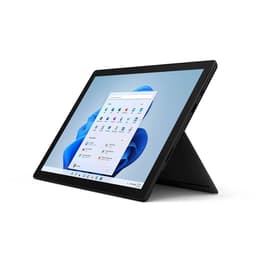
The Dell Latitude 5430 14" (2022) and the Microsoft Surface Pro 7 12" (2019) represent two distinct approaches to portable computing. While the Dell Latitude functions as a traditional, clamshell business laptop designed for comprehensive productivity, the Microsoft Surface Pro 7 operates as a versatile detachable 2-in-1 device that transitions between a tablet and a laptop form factor. Operating on Windows, both machines cater to professionals, students, and travelers, though their physical designs and operational styles create fundamentally different user experiences.

Available Models

Storage

Processor

Memory

Scores

Durability

When evaluating the longevity and maintenance of these two computers, several structural differences emerge regarding their hardware updates and physical upkeep over time.

  • Release timeline and hardware age: The Dell Latitude 5430 launched three years later than the Microsoft Surface Pro 7, meaning it benefits from newer internal components, extended manufacturer driver support, and a longer overall window for future software updates.
  • Repairability and physical upkeep: The Dell Latitude features a modular clamshell design that allows for easier component replacement and internal cleaning, whereas the Surface Pro 7 relies heavily on glued assembly, making physical repairs and battery swaps more challenging.
  • Expected practical lifespan: Users choosing a quality-assured refurbished option of the Dell Latitude typically gain a more current processing architecture for extended daily utility, while the Surface Pro 7 approaches the later stages of its optimal software support lifecycle.

Year of Release

2022

2019

Last Os Compatibility

Yes

Yes

OS

Windows 11

Windows 11

Performance

Daily computing capability varies based on how each system manages multitasking, processing loads, and thermal output during extended work sessions.

  • Multitasking and everyday execution: The Dell Latitude 5430 handles demanding workloads, multiple browser tabs, and intensive office applications smoothly, supported by current-generation memory architectures and efficient thermal management.
  • Storage and configuration flexibility: Both devices offer various solid-state storage tiers for fast file access, but the Dell model generally provides more straightforward pathways for capacity upgrades post-purchase.
  • Battery behavior and power management: The larger chassis of the Dell Latitude accommodates a higher-capacity battery that typically sustains a full workday of mixed office tasks, whereas the compact Surface Pro 7 requires more frequent recharges during heavy use.

Graphic card

Integrated Graphics

Integrated Graphics

Screen quality

Visual workspace presentation differs significantly between the traditional laptop screen of the Dell and the tablet-optimized display of the Microsoft device.

  • Display size and format: The Dell Latitude features a traditional 14-inch widescreen panel suited for side-by-side window multitasking, while the Surface Pro 7 utilizes a taller 12.3-inch screen with a 3:2 aspect ratio that accommodates document reading and handwritten note-taking.
  • Resolution and visual clarity: Both machines deliver sharp text rendering and accurate color reproduction for everyday office tasks, web browsing, and media consumption.
  • Brightness and outdoor visibility: Panel brightness levels on both devices handle indoor office lighting comfortably, though direct sunlight use requires seeking shade on both models.

Resolution

1920 x 1080

2736 x 1824

Screen type

IPS

IPS

Audiovisual

Multimedia capabilities, audio output, and remote communication tools vary between the traditional business notebook and the tablet-first hybrid.

  • Camera systems: The Surface Pro 7 includes both front and rear-facing cameras designed for quick snapshots and tablet use, whereas the Dell Latitude focuses exclusively on a top-bezel webcam optimized for virtual meetings.
  • Microphone and call quality: Integrated microphone arrays on both devices capture clear voice audio for video conferencing, effectively minimizing background room noise during calls.
  • Speaker output and media: Built-in stereo speakers on both models provide adequate sound for video calls and casual podcast listening, though external headphones or speakers are recommended for immersive media enjoyment.

Miscellaneous

Physical dimensions, weight distribution, and peripheral connectivity options shape how each device fits into mobile workflows and travel routines.

  • Port selection and connectivity: The Dell Latitude 5430 offers a robust selection of physical ports including traditional USB-A, USB-C with power delivery, HDMI, and an Ethernet jack, while the Surface Pro 7 relies primarily on a single USB-C port, a USB-A port, and a proprietary charging connector.
  • Weight and physical handling: The Surface Pro 7 offers exceptional portability as a lightweight tablet body that easily slips into small bags, though attaching its keyboard cover adds extra bulk, whereas the Dell Latitude provides a stable, rigid clamshell footprint suited for lap use.
  • Build materials: Both devices utilize sturdy outer chassis constructions designed to withstand regular commuting and daily handling.

Weight

1360 g

775 g

Screen size

14

12

What the community thinks

Community discussions and user feedback indicate that buyers appreciate the Dell Latitude 5430 for its reliable keyboard, comprehensive port selection, and dependable all-day battery life, though some users note its traditional laptop footprint takes up more space in small bags. Conversely, Surface Pro 7 owners frequently praise the device's exceptional portability, sharp high-resolution screen, and flexible tablet design, while citing concerns over limited port variety and shorter battery endurance during intensive tasks. Users prioritizing a traditional laptop experience with robust physical connectivity and steady performance will find the Dell Latitude 5430 well-suited to their workflow. On the other hand, users valuing maximum portability, touch-screen versatility, and a lightweight travel profile may lean toward the Microsoft Surface Pro 7. For those seeking an eco-friendly alternative, exploring a quality-assured refurbished option allows buyers to acquire either model while supporting sustainable consumption practices. Ultimately, the right choice depends on whether a traditional clamshell layout or a detachable tablet form factor best aligns with daily travel and productivity needs.


Our recent comparisons