

Compare models
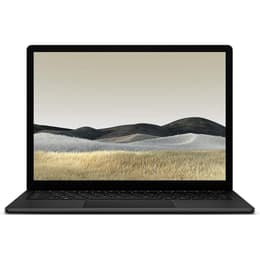
Dell Latitude 5430 14" Vs Microsoft Surface Laptop 3 13"
- 1-year minimum warranty
- Free delivery on all orders
- Free 30-day returns
Differences at a glance
The Dell Latitude 5430 14" (released in 2022) and the Microsoft Surface Laptop 3 13" (released in 2019) represent two distinct approaches to everyday mobile computing. While the Dell model brings a larger screen and newer internal components, the Microsoft alternative focuses on a streamlined design and a different screen aspect ratio. Both devices run on standard desktop operating systems, making them suited for productivity tasks, though their underlying release years and port selections introduce distinct practical differences for mobile users.
Available Models
Storage (GB)
Processor
Memory (GB)
Scores
Durability
When evaluating long-term usability, these two laptops differ notably in their release timelines and expected software support lifecycles.
- Release Timeline and Software Support: The Dell Latitude 5430 benefits from newer hardware components and a later release year, ensuring extended compatibility with operating system updates. The Microsoft Surface Laptop 3, being an older model, will reach the end of its active driver and firmware update cycle sooner.
- Repairability and Physical Longevity: The Dell Latitude series is built with modular components that allow easier replacement of parts like batteries and keyboards, supporting a longer operational lifespan. The Microsoft Surface Laptop 3 features a sealed construction that presents more challenges for component repairs.
- Expected Practical Lifespan: Users selecting the quality-assured refurbished option of the Dell model will likely secure a longer window of active software updates and modern application compatibility compared to the older Surface architecture.
Year of Release
2022
2019
OS
Windows 11
Windows 11
Performance
Processing power and day-to-day responsiveness vary due to the generational gap between their internal components and configuration options.
- Everyday Multitasking and Speed: The Dell Latitude 5430 handles demanding workloads, heavy browser tabs, and office applications smoothly thanks to its current-generation processing architecture. The Microsoft Surface Laptop 3 manages standard daily tasks effectively, though it shows limitations during intensive multi-application workflows.
- Storage and Memory Configurations: Both devices offer various solid-state drive and memory combinations, though the Dell model generally supports higher maximum memory configurations for heavy data handling.
- Battery Behavior: The Dell Latitude 5430 provides consistent battery longevity that typically covers a standard workday, whereas the older battery health in a Surface Laptop 3 may require more frequent charging during heavy use.
Graphic card
Integrated Graphics
Integrated Graphics
Screen quality
Display characteristics differ significantly in size, aspect ratio, and physical dimensions between the two machines.
- Display Technology and Clarity: Both laptops feature crisp panel resolutions that render text and images clearly, though they use different aspect ratios that change how much vertical content fits on screen.
- Size and Workspace: The Dell Latitude 5430 offers a 14-inch workspace with traditional widescreen dimensions, making it well-suited for side-by-side window multitasking. The Microsoft Surface Laptop 3 uses a slightly smaller 13.5-inch display with a taller format that provides extra vertical room for document editing and web browsing.
- Outdoor Usability: Both screens offer sufficient brightness levels for indoor office environments, though bright sunlight or outdoor settings may require adjustments to viewing angles on both displays.
Audiovisual
Audio-visual hardware caters to everyday remote communication and media consumption rather than creative production.
- Webcam and Video Calls: Both laptops include integrated webcameras and microphone arrays suitable for virtual meetings and video conferences, with the newer Dell model generally offering updated sensor clarity.
- Speaker Output: Integrated stereo speakers deliver clear dialogue for podcasts and calls, though neither model produces heavy bass for immersive media experiences. External headphones or speakers are recommended for extended music or movie sessions.
- Media Consumption: The visual display clarity combined with standard stereo sound makes both devices practical for streaming video content during travel or downtime.
Miscellaneous
Physical design, port availability, and connection standards create practical distinctions for daily portability and peripheral use.
- Port Selection: The Dell Latitude 5430 features a broad array of built-in connections, including traditional USB ports, HDMI, and modern USB-C slots, reducing the need for external adapters. The Microsoft Surface Laptop 3 relies on a minimalist port layout, utilizing a proprietary charging connector alongside a smaller selection of standard USB ports.
- Physical Dimensions and Weight: The Microsoft Surface Laptop 3 offers a thin, lightweight aluminum chassis that slips easily into tight bags. The Dell Latitude 5430 is slightly heavier and thicker to accommodate its larger screen and robust internal cooling system.
- Wireless Connectivity: Both machines support standard Wi-Fi and Bluetooth protocols, ensuring stable connections to wireless accessories and modern home or office networks.
Weight
1360 g
3000 g
Screen size
14
13
What the community thinks
User discussions across online communities highlight distinct preferences for each device based on everyday workflow habits. Owners of the Microsoft Surface Laptop 3 frequently praise its sleek aesthetic, premium tactile keyboard feel, and tall screen format for writing tasks. However, some users note frustrations regarding the limited port selection and challenges related to hardware repairs. Conversely, users of the Dell Latitude 5430 highlight its practical port variety, dependable daily reliability, and modular design as major advantages, while occasionally mentioning its more utilitarian plastic-blend chassis design compared to metal alternatives.
Users prioritizing a lightweight profile, clean aesthetic, and extra vertical screen space for document editing may prefer the Microsoft Surface Laptop 3. Meanwhile, users prioritizing extensive built-in ports, easier component maintenance, and newer internal components for multitasking will lean toward the Dell Latitude 5430. Selecting a sustainable choice like a quality-assured refurbished model allows buyers to access either device with tested hardware reliability. Ultimately, the right choice depends on whether physical minimalism or connection flexibility matters more to your daily routine.