

Dell Latitude 5320 13" Vs Dell Latitude 7490 14"

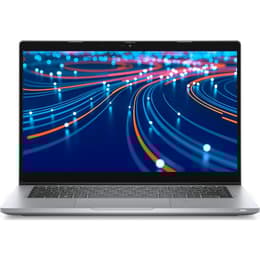
Dell Latitude 5320 13"
Starting at

Refurbished price:307.00

Versus €1,051.43 new

See options
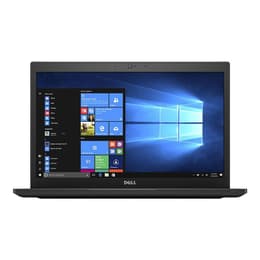
Dell Latitude 7490 14"
Starting at

Refurbished price:307.00

Versus €636.00 new

See options

Ratings

The Dell Latitude 5320 13-inch, released in 2021, and the Dell Latitude 7490 14-inch, launched in 2018, are both business-oriented laptops designed for productivity. While they share the Latitude family's focus on reliability, the 5320 benefits from a more recent hardware generation, offering updated connectivity and processing capabilities, whereas the 7490 provides a slightly larger display and a proven, highly serviceable design. Both devices operate on the Windows ecosystem, providing a familiar experience for professional users.

Scores

Durability

The expected lifespan and ongoing usability of these laptops are influenced by their release dates and design philosophies.

  • Release Timeline and OS Support: The Latitude 5320, being a 2021 model, benefits from a more recent hardware platform, specifically 11th-generation processors. This generally translates to a longer period of official operating system updates and security patches from Microsoft compared to the 2018-released Latitude 7490, which features 8th-generation processors. Users prioritizing the longest possible software support window will find the 5320 more aligned with their needs.
  • Repairability and Practical Lifespan: The Latitude 7490 is often praised for its ease of repair and component accessibility, including user-upgradeable RAM via SO-DIMM slots and a modular power jack, which can contribute to a longer practical lifespan through maintenance and upgrades. The Latitude 5320, while still a business-grade machine, often features soldered RAM, which limits memory upgrade options and can impact long-term flexibility.
  • Build Durability: Both models are built with business-grade durability in mind. The Latitude 7490 features a magnesium alloy chassis, providing a solid feel and resistance to daily wear. The Latitude 5320 also offers a robust build, though some reviews note minor flex in the lid and base.

Year of Release

2021

2017

Last Os Compatibility

Yes

Yes

OS

Windows 11

Windows 11

Performance

Performance differences between these two Latitude models stem primarily from their respective processor generations and memory configurations.

  • Processor Capabilities: The Latitude 5320 incorporates 11th-generation processors, which offer improved efficiency and performance for everyday tasks, multitasking, and handling demanding applications. This results in smoother operation and quicker response times for modern software. The Latitude 7490, with its 8th-generation processors, provides solid performance for general office work, web browsing, and light productivity tasks, but may show limitations when running more intensive applications simultaneously.
  • Multitasking and Responsiveness: While both can be configured with ample RAM, the Latitude 5320's newer architecture and potentially faster RAM (DDR4-3200 vs DDR4-2400 in the 7490) contribute to a more fluid multitasking experience, especially with numerous browser tabs or multiple applications open. The 7490's performance is still capable for typical business use, with users reporting good responsiveness for daily tasks.
  • Storage Options: Both laptops utilize fast SSD storage, ensuring quick boot times and rapid application loading. The 5320 typically comes with NVMe SSDs, offering high data transfer speeds. The 7490 also supports NVMe M.2 SSDs, providing a significant performance boost over traditional hard drives.

Memory (GB)

8 GB

8 GB

Processor

Core i5-1135G7

Core i5 - Gen 8 (U)

Graphic card

Integrated Graphics

Integrated Graphics

Screen quality

The visual experience on these laptops varies due to differences in display technology, brightness, and size.

  • Display Size and Resolution: The Latitude 5320 features a 13.3-inch Full HD (1920x1080) IPS display, offering a compact viewing area with clear visuals. The Latitude 7490 provides a slightly larger 14-inch display, available in both HD (1366x768) and Full HD (1920x1080) IPS options, which can offer a more expansive workspace.
  • Brightness and Clarity: The 5320's Full HD IPS panels can reach brightness levels of 300 to 400 nits, providing good visibility in various lighting conditions and often featuring anti-glare coatings. The 7490's Full HD IPS displays typically offer brightness around 277-305 nits, which is suitable for indoor use, and also come with anti-glare finishes.
  • Color Reproduction and Eye Comfort: Some configurations of the Latitude 5320 offer wider color gamut coverage and features like ComfortView Plus for reduced blue light, enhancing eye comfort during extended use. The 7490's IPS panels deliver good color reproduction and wide viewing angles, making them suitable for general productivity.

Resolution

1920 x 1080

1920 x 1080

Screen type

LCD

IPS

Camera

Audiovisual

The audiovisual capabilities, including cameras, microphones, and speakers, are designed for business communication and media consumption on both devices.

  • Camera System: The Latitude 5320 typically includes an HD webcam, with options for an FHD IR camera and a privacy shutter, enhancing video call quality and security. The Latitude 7490 features a standard 0.9-megapixel HD webcam, which is functional for video conferencing but may offer less detail than the 5320's higher-resolution options.
  • Microphone Quality: Both laptops are equipped with integrated microphones suitable for online meetings and voice commands. The 5320 often features a dual-array microphone for clearer voice pickup.
  • Speaker Output: The audio experience on both models is geared towards clear communication and basic media consumption. The Latitude 5320 has standard stereo speakers. The Latitude 7490 also provides adequate speaker output for business use, with some models featuring audio enhancements like Waves MaxxAudio Pro.

Miscellaneous

Beyond core performance, several practical elements differentiate the user experience of these two Dell Latitude laptops.

  • Connectivity Options: The Latitude 5320 offers more modern connectivity, including two Thunderbolt 4 ports, which provide high-speed data transfer and versatile docking capabilities, along with Wi-Fi 6 and Bluetooth 5.1. The Latitude 7490 includes USB-C (some with Thunderbolt 3), multiple USB-A ports, an HDMI port, and notably, a built-in Ethernet port, which the 5320 typically lacks. It supports Wi-Fi 5 and Bluetooth 4.2.
  • Portability and Design: The 5320 is a more compact and lighter device, starting around 1.18 kg, making it highly portable for users constantly on the move. The 7490, at approximately 1.4 kg, is slightly heavier and larger due to its 14-inch form factor, but still maintains a professional and durable design.
  • Security Features: Both models offer robust security features. The 5320 can include an optional fingerprint reader and IR face recognition. The 7490 also offers a fingerprint reader, Smart Card reader, and optional face recognition, catering to enterprise security needs.

Weight

1200 g

7500 g

Screen size

13

14

The Dell Latitude 5320 13-inch and the Dell Latitude 7490 14-inch cater to similar professional user bases but with distinct advantages. Users frequently praise the Latitude 7490 for its robust build quality, comfortable keyboard, and excellent repairability, making it a reliable workhorse that can be maintained and upgraded over time. Its main criticisms often revolve around its older processor generation and less advanced connectivity compared to newer models.

The Latitude 5320, on the other hand, receives acclaim for its more modern performance, updated connectivity with Thunderbolt 4 and Wi-Fi 6, and a more compact, lighter design, which is ideal for portability. Some users note that its soldered RAM can be a limitation for future upgrades, and some display configurations might not offer the highest brightness.

Users prioritizing the latest processing power, faster wireless connectivity, and a highly portable form factor will find the Dell Latitude 5320 well-suited to their needs. This device is particularly beneficial for professionals and students who require a modern, efficient machine for cloud-based work, video conferencing, and demanding applications on the go. Conversely, individuals who value a larger display, a highly serviceable design with upgradeable components, and a proven track record of durability may lean towards the Dell Latitude 7490. This model remains a strong choice for those seeking a dependable, long-lasting laptop for general office tasks and who appreciate the flexibility of component replacement. Both models are available as quality-assured refurbished options, providing an eco-friendly alternative for informed purchasing decisions.


See all articles

Our recent comparisons