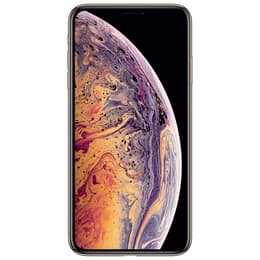


iPhone 11 Vs iPhone XS Max

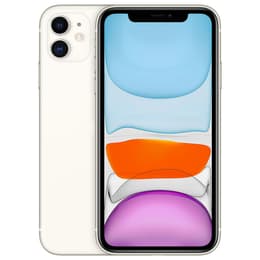
iPhone 11
iPhone 11
Starting at

Refurbished price:145.76

Versus €589.00 new

See options
iPhone XS Max
iPhone XS Max
Starting at

Refurbished price:163.00

Versus €559.00 new

See options

Ratings

The iPhone 11, released in September 2019, and the iPhone XS Max, launched in September 2018, represent two distinct offerings from Apple's smartphone lineup. While both devices operate on the iOS platform, they cater to slightly different user preferences through their display technology, camera capabilities, and overall design. The iPhone 11 features a newer processor and an ultrawide camera, whereas the iPhone XS Max offers a larger, higher-resolution OLED display.

Scores

Durability

When considering the long-term usability of these devices, their release timelines and software support are key factors.

  • Release Timeline: The iPhone 11 was released in September 2019, a year after the iPhone XS Max, which debuted in September 2018. This difference in release date directly impacts their expected software support.
  • OS Support Duration: The iPhone 11 is expected to receive software updates for a longer period than the iPhone XS Max. As of current information, the iPhone 11 is compatible with iOS 26, while the iPhone XS Max's software support ended with iOS 18. This means the iPhone 11 will continue to receive new features and security updates for at least one year more, offering extended practical lifespan for users prioritizing the latest software.
  • Repairability: Both models feature glass backs and a Lightning port, suggesting similar repair considerations. Users report that the iPhone 11's LCD screen may be less costly to replace than the iPhone XS Max's OLED panel.

Year of Release

2019

2018

Compatible with latest Update

Yes

Yes

OS

iOS

iOS

Foldable

No

No

Performance

Both devices offer capable performance for everyday tasks, though the newer model has an edge in processing power.

  • Processor Capabilities: The iPhone 11 is equipped with a newer generation processor compared to the iPhone XS Max. This translates to slightly faster app loading times, smoother multitasking, and more efficient handling of demanding applications and games on the iPhone 11. While the iPhone XS Max still provides a responsive experience for most users, the iPhone 11 offers a bit more headroom for future software and more intensive tasks.
  • Battery Behavior: The iPhone XS Max has a slightly larger battery capacity (3174 mAh) compared to the iPhone 11 (3110 mAh). However, due to the iPhone 11's more efficient processor and lower-resolution LCD screen, some users report that the iPhone 11 can offer comparable or even slightly better battery life in typical usage scenarios. Heavy users of the iPhone XS Max might experience more frequent charging, especially with its higher-resolution OLED display.
  • RAM and Storage: Both models typically come with 4GB of RAM, providing a similar foundation for multitasking. Storage options vary, with the iPhone 11 available in 64GB, 128GB, and 256GB, while the iPhone XS Max offered 64GB, 256GB, and 512GB configurations.

Memory

4 GB

4 GB

Screen quality

The display is a significant differentiator between these two iPhone models, impacting visual experience.

  • Display Technology: The iPhone XS Max features a 6.5-inch Super Retina OLED display, offering deep blacks, high contrast, and vibrant colors. In contrast, the iPhone 11 comes with a 6.1-inch Liquid Retina IPS LCD display. While the iPhone 11's LCD is bright and color-accurate for everyday use, the OLED technology in the XS Max provides a more immersive viewing experience, particularly for media consumption.
  • Resolution and Clarity: The iPhone XS Max boasts a higher resolution of 2688 x 1242 pixels, resulting in a sharper image with a higher pixel density. The iPhone 11 has a resolution of 1792 x 828 pixels. This difference means text and images appear crisper on the XS Max.
  • Brightness and Size: Both displays offer good brightness levels for outdoor visibility. The iPhone XS Max's larger 6.5-inch screen provides a more expansive viewing area compared to the iPhone 11's 6.1-inch display.

Resolution

828 x 1792

1242 x 2688

Screen type

Liquid Retina IPS LCD

Super Retina OLED

Audiovisual

Both iPhones offer capable camera systems, but they differ in their secondary lens and low-light performance.

  • Camera System Capabilities: The iPhone 11 features a dual 12-megapixel camera system with a wide and an ultrawide lens. The iPhone XS Max also has a dual 12-megapixel camera system, but it pairs a wide lens with a telephoto lens, allowing for optical zoom. The ultrawide lens on the iPhone 11 provides a broader field of view, useful for landscapes and group shots, while the telephoto lens on the XS Max is beneficial for zooming in without significant loss of detail and for certain portrait effects.
  • Low-Light Photography: A key advantage of the iPhone 11 is its dedicated Night Mode, which significantly improves photo quality in low-light conditions. The iPhone XS Max lacks this feature, making its low-light performance less robust.
  • Video Recording and Front Camera: Both phones support 4K video recording at 60 frames per second on their rear cameras. The iPhone 11's front camera is 12-megapixels and can record 4K video at 60fps, whereas the iPhone XS Max has a 7-megapixel front camera that records at 1080p 60fps.

Main camera

12 megapixels

12 megapixels

Front camera

12 megapixels

7 megapixels

Miscellaneous

Beyond core features, several practical elements distinguish the iPhone 11 and iPhone XS Max.

  • Connectivity: Both devices support 4G LTE and Wi-Fi standards, ensuring reliable internet connectivity. Neither model supports 5G connectivity. The iPhone 11 introduced Wi-Fi 6 and the U1 Ultra-Wideband chip, which enhances spatial awareness and AirTag functionality.
  • Build Materials and Durability: The iPhone XS Max features a stainless steel frame, contributing to a more premium feel and potentially greater rigidity. The iPhone 11 uses an aluminum frame. Both have glass backs and support wireless charging. The iPhone 11 has improved water resistance (IP68) compared to the iPhone XS Max's IP68 rating, though both offer good protection against dust and splashes.
  • Biometrics and Ports: Both models rely on Face ID for secure authentication and feature a Lightning port for charging and data transfer. Neither device includes a traditional headphone jack.

Weight

194 g

208 g

Screen size (in)

6.1

6.5

Network

4G

4G

SIM card

Physical SIM + eSIM

Physical SIM + eSIM

Carrier compatibility

Unlocked

Unlocked

Connector

Lightning

Lightning

The iPhone 11 and iPhone XS Max offer distinct advantages, making the choice dependent on individual priorities. Users frequently praise the iPhone XS Max for its superior OLED display, which delivers vibrant colors and true blacks, making it ideal for media consumption. Its larger screen size is also a common positive, particularly for those who enjoy a more expansive viewing area. However, some users note that the XS Max's battery life can be less consistent, especially with heavy use, and its software support has concluded.

The iPhone 11 is often lauded for its improved camera system, specifically the inclusion of an ultrawide lens and Night Mode, which significantly enhances low-light photography. Its newer processor provides a slight performance boost and ensures longer software longevity, a critical factor for users seeking extended device support. Some criticisms of the iPhone 11 often revolve around its LCD display, which, while good, does not match the contrast and vibrancy of an OLED panel.

Users prioritizing a premium display experience and a larger screen for media and general use may find the iPhone XS Max more appealing. Conversely, those who value advanced camera features, particularly in low light, and desire longer software support and a slightly more efficient performance will likely lean towards the iPhone 11. Both models remain viable options, especially when considering quality-assured refurbished alternatives, which offer a sustainable choice for consumers.


See all articles

Our recent comparisons