

Compare models

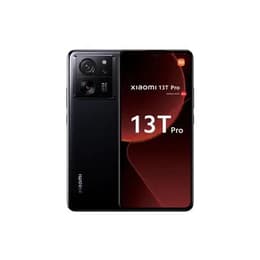
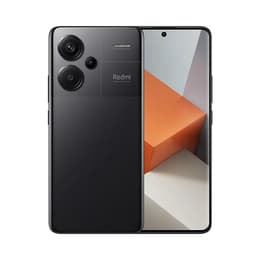
Xiaomi 13T Pro Vs Xiaomi Redmi Note 13 Pro+

  • 1-year minimum warranty
  • Free delivery on all orders
  • Free 30-day returns
Xiaomi 13T Pro
Xiaomi 13T Pro
Starting at

Refurbished price:294.00

Versus €900.00 new

See options
Xiaomi Redmi Note 13 Pro+
Starting at

Refurbished price:199.00

Versus €499.00 new

See options

Differences at a glance

The Xiaomi 13T Pro and the Xiaomi Redmi Note 13 Pro+ are both smartphones released in September 2023, offering a blend of advanced features and user-centric design. While sharing a common operating system and a focus on robust performance, the 13T Pro distinguishes itself with a more versatile camera system and a higher display refresh rate, whereas the Redmi Note 13 Pro+ emphasizes a high-resolution main camera and a slightly different approach to display aesthetics.

Scores

Durability

Both devices, launched in September 2023, run on Android 13 with MIUI 14 (or HyperOS, depending on updates) at release, ensuring a similar starting point for software support. Xiaomi typically provides several years of Android updates and security patches for its devices, with the 13T Pro generally expected to receive longer support due to its positioning.

  • Software Longevity: The Xiaomi 13T Pro is anticipated to receive 4 major Android updates and 5 years of security patches, offering extended software relevance. The Redmi Note 13 Pro+ is expected to receive 3 years of major OS updates and 4 years of security updates.
  • Physical Durability: Both models feature an IP68 rating for dust and water resistance, indicating a high level of protection against environmental elements. The 13T Pro uses Gorilla Glass 5 for screen protection, while the Redmi Note 13 Pro+ features the more advanced Gorilla Glass Victus.
  • Practical Lifespan: Users can expect both devices to remain functional and receive essential updates for several years, with the 13T Pro potentially offering a slightly longer period of official software support.

Year of Release

2023

2023

Compatible with latest Update

Yes

Yes

OS

Android

Android

Foldable

No

No

Performance

These smartphones are equipped to handle demanding applications and multitasking, though they approach performance with different underlying hardware. Both offer substantial storage and RAM configurations to support various user needs.

  • Processing Power: The Xiaomi 13T Pro features a processor designed for flagship-level performance, enabling smooth operation for intensive gaming and complex applications. The Redmi Note 13 Pro+ utilizes a capable processor that delivers very good performance for everyday tasks and moderate gaming.
  • Multitasking and Storage: The 13T Pro is available with up to 16GB of RAM and 1TB of storage, providing ample room for numerous apps and large files. The Redmi Note 13 Pro+ offers up to 12GB of RAM and 512GB of storage, which is also generous for most users. Both devices utilize UFS 3.1 storage for faster data access.
  • Battery Behavior: Both phones are equipped with a 5000 mAh battery and support 120W wired fast charging, allowing for very rapid recharges. Users report good battery life for both, with the 13T Pro offering an endurance rating of 102 hours in some tests.

Memory (GB)

12 GB

8 GB

Screen quality

Both devices offer high-quality AMOLED displays, providing vibrant visuals and smooth interactions, though with some distinctions in their specifications and user experience.

  • Display Technology and Clarity: Both the Xiaomi 13T Pro and Redmi Note 13 Pro+ feature 6.67-inch AMOLED displays with a resolution of 1220 x 2712 pixels, delivering sharp and clear visuals. Both panels support Dolby Vision and HDR10+ for enhanced content viewing.
  • Brightness and Refresh Rate: The 13T Pro boasts a peak brightness of 2600 nits and a 144Hz refresh rate, offering exceptional visibility outdoors and very fluid scrolling. The Redmi Note 13 Pro+ has a peak brightness of 1800 nits and a 120Hz refresh rate, which still provides excellent outdoor visibility and smooth performance.
  • Viewing Experience: The 13T Pro features a flat display, which some users prefer for gaming and content creation. The Redmi Note 13 Pro+ has a curved display, contributing to a more immersive feel and a premium aesthetic.

Resolution

1220 x 2712

1220x2712

Audiovisual

The camera systems on both phones are designed to capture high-quality images and videos, each with a slightly different focus on sensor capabilities and photographic features.

  • Rear Camera System: The Xiaomi 13T Pro features a versatile triple-camera setup with a 50 MP main sensor, a 50 MP telephoto lens with 2x optical zoom, and a 12 MP ultrawide lens, benefiting from Leica color science. The Redmi Note 13 Pro+ highlights a 200 MP main sensor with OIS, an 8 MP ultrawide, and a 2 MP macro lens, offering impressive detail in its primary shots.
  • Photography Performance: The 13T Pro is praised for its outstanding photo and video quality from all rear cameras, day and night, with sharp images and good dynamic range. The Redmi Note 13 Pro+ delivers a strong main camera performance, especially in good lighting, with 2x lossless zoom capabilities. However, its ultrawide and macro cameras are noted to be less reliable.
  • Video Recording and Audio: The 13T Pro supports 8K video recording at 24fps and 4K at up to 60fps. The Redmi Note 13 Pro+ records 4K video at 30fps. Both devices offer good speaker output, with the 13T Pro featuring Dolby Atmos speakers.

Front camera

20 megapixels

16 megapixels

Miscellaneous

Beyond core features, both smartphones include a range of practical elements that enhance daily usability and connectivity, though with some minor differences.

  • Connectivity and Ports: The Xiaomi 13T Pro supports Wi-Fi 7 and Bluetooth 5.4, offering advanced wireless connectivity. The Redmi Note 13 Pro+ supports Wi-Fi 6 and Bluetooth 5.3. Both devices feature a USB-C 2.0 port for charging and data transfer. Neither phone includes a 3.5mm headphone jack.
  • Biometrics and Design: Both phones incorporate an under-display optical fingerprint sensor for secure unlocking. The 13T Pro has dimensions of 162.2 x 75.7 x 8.5 mm and weighs around 200-206g, with options for a glass or silicone polymer back. The Redmi Note 13 Pro+ measures 161.4 x 74.2 x 8.9 mm and weighs about 199-204.5g, also with glass or silicone polymer back options.
  • Additional Features: The 13T Pro includes an IR blaster. The Redmi Note 13 Pro+ also features an IR blaster and offers strong haptic feedback.

Weight

200 g

204 g

Screen size (in)

6.67

6.67

Network

5G

5G

SIM card

Dual Physical SIM

Dual Physical SIM

Carrier compatibility

Unlocked

Unlocked

Connector

USB-C

USB-C

What the community thinks

User feedback for the Xiaomi 13T Pro often highlights its strong overall performance, excellent display, and capable camera system, particularly praising its Leica collaboration for photo quality. Some users note that the selfie camera could be improved and that the battery life, while good, might not be outstanding for heavy users. The Redmi Note 13 Pro+ receives commendation for its premium design, vibrant AMOLED screen, and impressive 200MP main camera. Common criticisms include the less effective ultrawide and macro cameras, the presence of bloatware, and the fact that it launched with Android 13 rather than the latest version.

Users prioritizing a more versatile camera system with telephoto capabilities and a higher refresh rate display may find the Xiaomi 13T Pro better suited to their needs. Those who value a high-resolution main camera, a curved display aesthetic, and slightly more compact dimensions might lean towards the Redmi Note 13 Pro+. Both devices offer robust performance and rapid charging, making them strong contenders in their segment. For consumers seeking a quality-assured refurbished option, both models are excellent choices for a sustainable purchase.


See all articles

Our recent comparisons