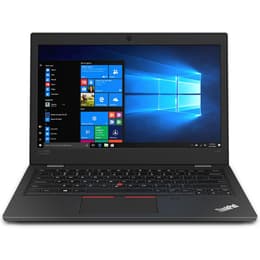
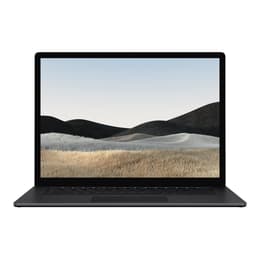


Lenovo ThinkPad L390 13" Vs Microsoft Surface Laptop 4 13"

Lenovo ThinkPad L390 13"
Starting at

Refurbished price:299.00

Versus €766.00 new

See options
Microsoft Surface Laptop 4 13"
Starting at

Refurbished price:370.00

Versus €754.00 new

See options

Ratings

The Lenovo ThinkPad L390 13, released in 2019, and the Microsoft Surface Laptop 4 13, launched in April 2021, are both compact laptops designed for productivity and portability, running the Windows operating system. While sharing a common platform, the ThinkPad L390 emphasizes robust build quality and extensive connectivity, catering to professional and educational environments. In contrast, the Surface Laptop 4 prioritizes a refined design, a high-resolution touch display, and a more integrated user experience. These differences cater to distinct user preferences and work styles.

Scores

Durability

The practical lifespan and ongoing support for these devices differ primarily due to their release timelines.

  • Release Timeline and OS Support: The ThinkPad L390, released in 2019, has been on the market longer than the Surface Laptop 4, which debuted in 2021. This age difference means the Surface Laptop 4 is likely to receive operating system feature updates and security patches for a longer duration, extending its software longevity. Both devices run Windows, with support cycles determined by Microsoft's policies for specific Windows versions.
  • Repairability and Build: ThinkPads are generally recognized for their robust construction and often feature components that are more accessible for maintenance and upgrades, contributing to a longer potential hardware lifespan through user servicing. The Surface Laptop 4, while well-built with premium materials, typically features a more integrated design that can make user repairs or component upgrades more challenging.
  • Expected Practical Lifespan: Users can expect both laptops to offer several years of reliable performance. However, the Surface Laptop 4's newer hardware and extended software support window may provide a slightly longer period of optimal functionality before performance or compatibility limitations become more apparent.

Year of Release

2018

2021

Last Os Compatibility

Yes

Yes

OS

Windows 11

Windows 11

Performance

When evaluating performance, the internal hardware differences between these two laptops become apparent, influencing their responsiveness and capability for various tasks.

  • Processor Capabilities: The ThinkPad L390 utilizes an earlier generation of Intel processors, which capably handle everyday computing tasks such as web browsing, document editing, and video conferencing. The Surface Laptop 4, featuring a more recent generation of Intel or AMD processors, offers enhanced processing power. This translates to smoother multitasking, faster application loading, and more efficient handling of demanding software.
  • Battery Behavior: The ThinkPad L390 is equipped with a 45Wh battery, providing sufficient power for a typical workday, with claims of up to 14 hours. The Surface Laptop 4, with a 47.4Wh battery and more power-efficient newer processors, generally offers extended usage times on a single charge, with real-world usage often reaching 10-13 hours. Both support rapid charging.
  • Storage and Responsiveness: Both devices offer solid-state drive (SSD) storage options, ensuring quick boot times and rapid data access. The Surface Laptop 4's overall system responsiveness benefits from its newer hardware architecture, providing a snappier feel during general use and when switching between applications.

Memory (GB)

8 GB

16 GB

Processor

Core i5 - Gen 8 (U)

Ryzen 5 4680U

Graphic card

Integrated Graphics

Integrated Graphics

Screen quality

The visual experience on these laptops presents distinct characteristics, primarily influenced by their display technologies and resolutions.

  • Display Technology and Resolution: The ThinkPad L390 typically features a 13.3-inch IPS display, often with Full HD (1920x1080) resolution, providing clear visuals for productivity tasks. The Surface Laptop 4, on the other hand, boasts a 13.5-inch PixelSense display with a higher resolution of 2256 x 1504 pixels (201 PPI). This results in a noticeably sharper image and finer detail, particularly for text.
  • Clarity and Brightness: The higher pixel density of the Surface Laptop 4's display contributes to superior clarity, making on-screen elements appear smoother and more defined. Both displays offer adequate brightness for indoor use, but the Surface Laptop 4 generally provides better outdoor visibility due to its higher peak brightness levels, often reaching 390-427 nits, compared to the L390's typical 250-300 nits.
  • Touch Functionality and Aspect Ratio: A key differentiator is the Surface Laptop 4's touch-enabled display, which supports pen input and offers an interactive user experience. Its 3:2 aspect ratio provides more vertical screen real estate, which can be advantageous for document work and web browsing. The ThinkPad L390 typically features a non-touch display with a more traditional 16:9 aspect ratio, though touchscreen options were available.

Resolution

1366 x 768

2256 x 1504

Screen type

LCD

LED

Audiovisual

The multimedia capabilities, particularly camera and audio performance, vary between these two laptops, impacting communication and entertainment experiences.

  • Camera System: Both laptops include a front-facing camera suitable for video conferencing. The Surface Laptop 4 generally offers a higher quality 720p HD camera, providing clearer and more detailed images during video calls, which is beneficial for remote work or online learning. The ThinkPad L390 also features a 720p camera that is functional for standard video communication.
  • Microphone Quality: The Surface Laptop 4 often incorporates dual far-field Studio Mics designed to capture voice clearly and reduce background noise, enhancing the quality of online meetings and voice commands. The ThinkPad L390's dual array microphones are competent for general use but may not offer the same level of clarity in noisy environments.
  • Speaker Output: For audio playback, the Surface Laptop 4 features Omnisonic Speakers with Dolby Audio/Atmos, often praised for delivering a fuller and more immersive sound experience, making it well-suited for media consumption. The ThinkPad L390's 2x 2W stereo speakers with Dolby Audio Premium provide clear audio for calls and basic media, but they are typically optimized more for functional communication.

Miscellaneous

Beyond core performance and display, practical elements like connectivity, physical design, and security features distinguish these two devices.

  • Connectivity Options: The ThinkPad L390 offers a comprehensive selection of ports, including two USB-C 3.1 Gen 1 (with power delivery and DisplayPort), two USB 3.1 Gen 1 (one Always On), HDMI, an Ethernet extension connector, an audio combo jack, and a microSD card reader, catering to users who require diverse peripheral connections without adapters. The Surface Laptop 4 features a more streamlined port selection, typically including one USB-C, one USB-A, a 3.5mm headphone jack, and a dedicated Surface Connect port, which might necessitate adapters for certain legacy peripherals. Notably, its USB-C port does not support Thunderbolt 4.
  • Weight and Dimensions: The Surface Laptop 4 is generally lighter, starting at 1.25 kg (2.76 lbs), and thinner, emphasizing portability and a sleek aesthetic, making it easier to carry throughout the day. The ThinkPad L390 is slightly heavier, starting at 1.46 kg (3.22 lbs), and has a more robust, utilitarian design, reflecting its focus on durability and business-grade construction.
  • Security and Build Materials: Both laptops include security features like a discrete TPM 2.0 chip and fingerprint readers. The Surface Laptop 4 also offers Windows Hello facial recognition for convenient and secure login. The ThinkPad L390 is built with a blend of materials, including magnesium/aluminum for the lid and GFRP for the bottom, designed for resilience and MIL-STD-810G testing. The Surface Laptop 4 uses aluminum for its chassis, with some models featuring an Alcantara fabric keyboard deck, contributing to a premium tactile experience.

Weight

1460 g

1288 g

Screen size

13

13

User feedback often highlights the Lenovo ThinkPad L390's reputation for its robust build, comfortable keyboard, and extensive port selection, making it a reliable workhorse for professionals and students who prioritize functionality and durability. Some users note its more traditional design and potentially less vibrant display compared to newer models. The Microsoft Surface Laptop 4, conversely, receives praise for its elegant design, high-resolution touch display, and strong performance for everyday tasks and media consumption. Common observations include its more limited port selection and the integrated design, which can make repairs more complex.

Users prioritizing a highly durable device with a wide array of connectivity options and a focus on traditional business functionality may find the ThinkPad L390 well-suited to their needs. Those who value a modern, sleek aesthetic, a superior visual experience with touch capabilities, and strong performance for general productivity and entertainment will likely lean towards the Surface Laptop 4. Both models are available as quality-assured refurbished options, offering an eco-friendly alternative for consumers seeking reliable technology. The choice ultimately depends on whether a user prioritizes ruggedness and connectivity or a refined design and advanced display technology.


See all articles

Our recent comparisons