
Compare models

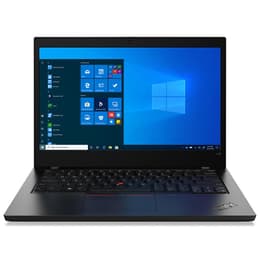
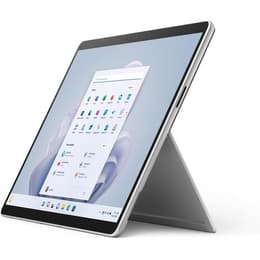
Lenovo ThinkPad L14 G1 14" Vs Microsoft Surface Pro 9 13"

  • 1-year minimum warranty
  • Free delivery on all orders
  • Free 30-day returns
Lenovo ThinkPad L14 G1 14"
Starting at

Refurbished price:560.73

Versus €1,459.40 new

See options
Microsoft Surface Pro 9 13"
Starting at

Refurbished price:826.99

Versus €1,830.45 new

See options

Differences at a glance

The Lenovo ThinkPad L14 Gen 1 (2020) and the Microsoft Surface Pro 9 (2022) represent two distinct approaches to portable computing: a traditional, rugged clamshell business laptop versus a versatile, tablet-first convertible device. While both run on modern operating systems and serve professional or academic tasks effectively, their form factors and physical designs create fundamentally different everyday experiences.

Choosing between them depends primarily on whether your workflow favors a traditional lap-friendly keyboard configuration or a detachable, touch-centric design suitable for handwritten notes and media consumption.

Available Models

Storage (GB)

Processor

Memory (GB)

Scores

Durability

When examining longevity and durability, both machines offer robust build architectures designed to handle daily travel, though they approach long-term support and maintenance from different angles.

  • Software support and updates: Both devices receive regular operating system security patches and feature updates, with the Surface Pro 9 benefiting from a two-year newer release timeline for extended long-term compatibility.
  • Repairability and physical maintenance: The ThinkPad L14 features a modular, traditional chassis that allows for easier internal component access, whereas the Surface Pro 9 utilizes a sealed, glued assembly that complicates hardware servicing.
  • Expected lifespan: Both units provide durable daily operation under standard workloads, but users looking for a sustainable choice can find quality-assured refurbished options for both models that extend their operational cycles in an eco-friendly manner.

Year of Release

2019

2022

Last Os Compatibility

Yes

Yes

OS

Windows 11

Windows 11

Performance

Both computers handle everyday office applications, web browsing, and document editing smoothly, but their thermal designs and internal hardware configurations shape how they manage intensive multitasking.

  • Multitasking and processing: Both models manage multiple browser tabs, heavy spreadsheets, and background applications reliably without noticeable stutter during standard workflows.
  • Storage and memory management: Configurations vary across both lines, allowing users to select solid-state storage sizes and memory allocations that match their specific file management habits and multitasking requirements.
  • Battery behavior: The traditional laptop design of the ThinkPad accommodates power delivery tailored for extended desk use, while the compact Surface Pro 9 profile requires more frequent replenishment during heavy processor workloads.

Graphic card

Integrated Graphics

Integrated Graphics

Screen quality

The visual experience differs significantly due to the distinct display proportions and physical housing of a standard laptop versus a detachable tablet architecture.

  • Display technology and resolution: The Surface Pro 9 features a high-resolution pixel-dense touch panel with a taller aspect ratio suited for document editing, while the ThinkPad L14 offers a standard widescreen matte display designed to minimize glare under fluorescent office lighting.
  • Brightness and outdoor visibility: The Surface Pro 9 provides higher peak brightness levels for comfortable outdoor or bright indoor use, whereas the ThinkPad L14 screen handles stationary indoor workspaces effectively.
  • Refresh rate and interaction: The Surface Pro 9 includes support for a higher refresh rate option, resulting in smoother scrolling and responsive digital pen input for sketching or note-taking.

Resolution

1920 x 1080

2880 x 1920

Screen type

LCD

LED

Camera

Audiovisual

Multimedia capabilities vary to suit different remote communication needs, media consumption habits, and portable content creation scenarios.

  • Camera systems: The Surface Pro 9 includes both front-facing and rear-facing cameras optimized for video calls and quick document scanning, while the ThinkPad L14 relies on a single conventional webcam geared toward virtual meetings.
  • Microphone and audio output: Both machines feature clear microphone arrays equipped with background noise reduction for conference calls, alongside stereo speakers adequate for casual video viewing and listening.
  • Media consumption: The Surface Pro 9 lends itself well to handheld video watching due to its tablet form factor, whereas the ThinkPad L14 provides a stable, desk-bound audio-visual experience with its integrated physical hinge.

Miscellaneous

Physical connectivity, port selection, and handling characteristics dictate how easily each device integrates into mobile travel and desktop workstation environments.

  • Port selection and connectivity: The ThinkPad L14 offers a wide array of built-in physical ports including traditional USB ports, HDMI, and an Ethernet jack, whereas the Surface Pro 9 relies on modern compact ports requiring adapters for legacy peripherals.
  • Dimensions and weight: The ThinkPad L14 provides a traditional heavier laptop footprint built for lap stability, while the lighter Surface Pro 9 emphasizes ultra-portable travel convenience either as a tablet or paired with its detachable keyboard cover.
  • Security and sensors: Both devices incorporate modern biometric authentication features, including facial recognition capabilities and fingerprint options, to secure user data effectively.

Weight

1600 g

883 g

Screen size

14

13

What the community thinks

User feedback highlights distinct preferences for each device based on daily working habits. Owners of the Lenovo ThinkPad L14 frequently praise its comfortable typing experience, extensive port selection, and traditional durability that handles daily office environments with ease. However, some users note that its larger footprint and heavier weight are less convenient for constant travel. Conversely, users of the Microsoft Surface Pro 9 appreciate its lightweight flexibility, vibrant touch display, and seamless transition between tablet and laptop modes. Criticisms for the Surface model typically center on its reliance on adapters for older accessories and its shorter battery duration during demanding tasks.

Users prioritizing a traditional lap-friendly design with plentiful physical ports will find the ThinkPad L14 well-suited to their needs, while users prioritizing portability, touch input, and a high-resolution display for creative tasks may lean toward the Surface Pro 9. Selecting either model as a quality-assured refurbished device offers a sustainable path to acquiring dependable computing hardware without compromising on functional performance.


Our recent comparisons