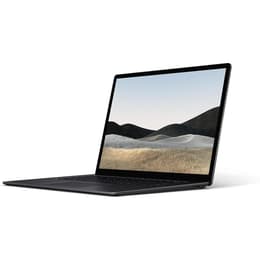


Lenovo ThinkPad L14 G1 14" Vs Microsoft Surface Laptop 4 13"

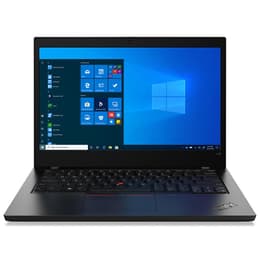
Lenovo ThinkPad L14 G1 14"
Starting at

Refurbished price:350.00

Versus €465.80 new

See options
Microsoft Surface Laptop 4 13"
Starting at

Refurbished price:370.00

Versus €754.00 new

See options

Ratings

The Lenovo ThinkPad L14 Gen 1, released in 2020, and the Microsoft Surface Laptop 4 13-inch, launched in April 2021, are both Windows-based laptops designed for productivity and everyday use. While the ThinkPad L14 Gen 1 emphasizes robust build quality and extensive connectivity, the Surface Laptop 4 13-inch focuses on a sleek design, a high-resolution touchscreen, and a premium user experience. Both devices offer distinct advantages depending on user priorities.

Scores

Durability

The practical lifespan of a laptop is influenced by its initial release, ongoing software support, and physical durability. The Microsoft Surface Laptop 4 13-inch, released in April 2021, is a year newer than the Lenovo ThinkPad L14 Gen 1, which debuted in 2020. This difference in release date typically translates to a slightly longer period of official operating system updates and security patches for the Surface Laptop 4.

  • Software Longevity: Both devices run on the Windows operating system, ensuring a consistent software experience. The Surface Laptop 4's later release date provides an incremental advantage in terms of future OS support.
  • Build Materials: The ThinkPad L14 Gen 1 features a solid, predominantly plastic construction, often described by users as durable and robust. The Surface Laptop 4 13-inch, conversely, sports an aluminum chassis, with some configurations offering an Alcantara fabric finish, contributing to its premium feel.
  • Repairability & Upgradability: ThinkPads are generally recognized for their repair-friendly designs. The L14 Gen 1 notably includes two SO-DIMM slots for user-upgradeable RAM, a feature that can significantly extend its useful life. The Surface Laptop 4 features a removable SSD, which aids in serviceability, but its RAM is typically soldered, limiting upgrade options.

Year of Release

2019

2021

Last Os Compatibility

Yes

Yes

OS

Windows 11

Windows 11

Performance

Performance in both laptops is driven by their internal components, impacting how smoothly applications run and how efficiently tasks are handled. The Lenovo ThinkPad L14 Gen 1 was available with 10th Generation Intel Core processors or AMD Ryzen 4000 series processors. The Microsoft Surface Laptop 4 13-inch, being a slightly newer model, features 11th Generation Intel Core processors or AMD Ryzen 4000 series "Microsoft Surface Edition" processors.

  • Processing Power: The Surface Laptop 4's newer generation processors generally offer improved efficiency and responsiveness for everyday computing and multitasking. AMD variants in both models are noted for strong multi-core performance, beneficial for demanding applications.
  • Memory Configuration: The ThinkPad L14 Gen 1 supports up to 64GB of DDR4-2666 RAM across two SO-DIMM slots, allowing for significant memory expansion. The Surface Laptop 4 13-inch typically comes with up to 32GB of LPDDR4x RAM, which is often soldered to the motherboard, limiting post-purchase upgrades.
  • Storage and Battery: Both laptops utilize fast SSD storage, with the L14 Gen 1 offering configurations up to 1TB M.2 PCIe NVMe SSD and an optional 2.5-inch SATA HDD, while the Surface Laptop 4 offers up to 1TB NVMe SSD with a removable design. For battery life, the L14 Gen 1 typically provides 5 to 11 hours of real-world use from its 45Wh battery, despite claims of up to 12.3 hours. The Surface Laptop 4, with claims of up to 17-19 hours, generally delivers between 10 and 13 hours in practical usage, with AMD configurations sometimes showing longer durations.

Memory (GB)

8 GB

16 GB

Processor

Core i5 - Gen 10 (U)

Ryzen 5 4680U

Graphic card

Integrated Graphics

Integrated Graphics

Screen quality

The visual experience on a laptop is largely defined by its display, encompassing technology, resolution, and brightness. The Lenovo ThinkPad L14 Gen 1 offers a 14-inch display, with options for Full HD (1920x1080) IPS or HD TN panels, often featuring an anti-glare coating. The Microsoft Surface Laptop 4 13-inch features a 13.5-inch PixelSense IPS touchscreen with a higher resolution of 2256x1504 pixels and a 3:2 aspect ratio.

  • Clarity and Detail: The Surface Laptop 4's higher resolution and pixel density of 201 PPI provide a sharper and more detailed image compared to the L14 Gen 1's Full HD options.
  • Brightness and Color: The Surface Laptop 4 generally achieves higher brightness levels, typically ranging from 349 to 400 nits, making it more suitable for varied lighting conditions. The L14 Gen 1 usually offers 250-300 nits. In terms of color reproduction, the Surface Laptop 4 covers a wider color gamut (77% DCI-P3) than the L14 Gen 1 (around 51-59.5% sRGB), resulting in more vibrant colors.
  • Touch and Aspect Ratio: The Surface Laptop 4 includes a responsive touchscreen as a standard feature. While the L14 Gen 1 has optional touchscreen configurations, it is not universal. The Surface Laptop 4's 3:2 aspect ratio offers more vertical screen real estate, which can be advantageous for document work and web browsing, whereas the L14 Gen 1 uses a more traditional 16:9 aspect ratio.

Resolution

1920 x 1080

2256 x 1504

Screen type

IPS

LED

Audiovisual

For communication and media consumption, the camera, microphone, and speakers are key components. Both the Lenovo ThinkPad L14 Gen 1 and the Microsoft Surface Laptop 4 13-inch are equipped with 720p HD front-facing cameras suitable for video calls.

  • Camera Performance: The Surface Laptop 4's camera is noted for its capability in low-light environments, enhancing video call quality in less-than-ideal lighting conditions. The L14 Gen 1's camera provides standard 720p performance.
  • Audio Input: The ThinkPad L14 Gen 1 features dual array microphones, designed to capture clear audio. The Surface Laptop 4 incorporates dual far-field Studio Mics, which aim to provide clear voice pickup even from a distance.
  • Sound Output: The L14 Gen 1 includes 2x 2W stereo speakers with Dolby Audio. The Surface Laptop 4 is equipped with Omnisonic Speakers featuring Dolby Atmos, which aims to deliver a more immersive audio experience. However, some users have expressed mixed opinions on the actual sound quality of the Surface Laptop 4's speakers.

Miscellaneous

Beyond core performance and display, practical features like connectivity, ports, and physical attributes significantly influence daily usability. The Lenovo ThinkPad L14 Gen 1 and the Microsoft Surface Laptop 4 13-inch offer different approaches to these aspects.

  • Connectivity and Ports: The ThinkPad L14 Gen 1 provides a comprehensive selection of ports, including two USB 3.2 Gen 1 ports (one with always-on charging), one USB-C 3.2 Gen 1 (Power Delivery and DisplayPort), one USB-C 3.2 Gen 2 (Power Delivery and DisplayPort), HDMI, an Ethernet (RJ-45) port, a microSD card reader, and a headphone/microphone combo jack. It also offers optional WWAN (4G) for mobile connectivity. The Surface Laptop 4 13-inch has a more streamlined port selection, featuring one USB-A port, one USB-C port (supporting Power Delivery and DisplayPort), a headphone jack, and a Surface Connect port for charging and docking. Notably, its USB-C port does not support Thunderbolt. Both devices support Wi-Fi 6 and Bluetooth 5.0/5.1.
  • Security and Biometrics: The L14 Gen 1 includes an optional IR camera for Windows Hello facial recognition and a fingerprint reader. The Surface Laptop 4 also features an IR sensor for Windows Hello and an ambient light sensor.
  • Physical Characteristics: The Surface Laptop 4 13-inch is designed for portability, weighing between 1.265 kg and 1.288 kg, with dimensions of 308 x 223 x 14.5mm. The ThinkPad L14 Gen 1 is slightly heavier and thicker, starting at 1.61 kg with dimensions of 331 x 235 x 20.4mm. The L14 Gen 1's build is primarily plastic, offering a sturdy feel, while the Surface Laptop 4 features an aluminum construction for a more premium touch.

Weight

1800 g

1288 g

Screen size

14

13

When evaluating the Lenovo ThinkPad L14 Gen 1 and the Microsoft Surface Laptop 4 13-inch, user feedback highlights distinct strengths and weaknesses for each. Users often praise the ThinkPad L14 Gen 1 for its robust build quality, comfortable keyboard, and extensive port selection, including an Ethernet port and multiple USB-A and USB-C options. Its upgradeable RAM is also a significant advantage for those looking to extend the device's lifespan or customize its performance. However, some criticisms include potentially mediocre screen quality in certain configurations, occasional fan noise issues that can be addressed with software, and touchpad buttons that some users find less refined.

The Microsoft Surface Laptop 4 13-inch is frequently lauded for its sleek, premium design, high-resolution PixelSense touchscreen, and comfortable typing experience. Its camera is also noted for good performance in low-light conditions, making it suitable for video conferencing. Conversely, common criticisms include the presence of relatively thick display bezels, the absence of Thunderbolt support, and some users expressing disappointment with the speaker sound quality. While Microsoft claims impressive battery life, real-world usage often falls short of these figures, and some users have reported quality control concerns over time.

Users prioritizing extensive connectivity, internal upgradeability, and a traditional, robust business laptop experience may find the Lenovo ThinkPad L14 Gen 1 better suited to their needs. Its array of ports and upgradeable components make it a versatile choice for those who require flexibility and longevity. On the other hand, individuals who value a lightweight, aesthetically pleasing device with a high-quality touchscreen for media consumption and light productivity, along with a modern user interface, might lean towards the Microsoft Surface Laptop 4 13-inch. Both models offer a solid foundation for daily computing, and considering quality-assured refurbished options can provide an eco-friendly alternative for either device.


See all articles

Our recent comparisons