

Compare models
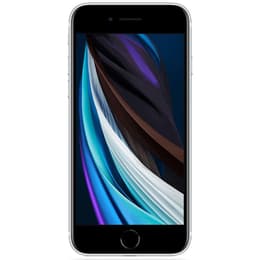
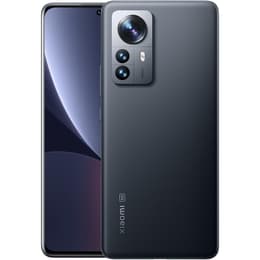
iPhone SE (2020) Vs Xiaomi 12T Pro
- 1-year minimum warranty
- Free delivery on all orders
- Free 30-day returns
Differences at a glance
The iPhone SE 2020 and the Xiaomi 12T Pro are smartphones released by Apple and Xiaomi, respectively, offering distinct approaches to mobile technology. The iPhone SE 2020, launched in April 2020, focuses on a compact design with Apple's iOS ecosystem, while the Xiaomi 12T Pro, released in October 2022, provides a larger display and a powerful Android experience. These devices differ significantly in their design philosophy, internal specifications, and target user experiences.
Available Models
Colour
Storage (GB)
Scores
Durability
When considering the longevity of these devices, their release timelines and software support are key factors. The iPhone SE 2020 was released in April 2020, while the Xiaomi 12T Pro followed in October 2022.
- Software Updates: The iPhone SE 2020 launched with iOS 13.4 and has received updates to iOS 18.x, with Apple typically providing 5-6 years of major OS updates for its devices. The Xiaomi 12T Pro, released with Android 12, is promised 3 Android OS updates and 4 years of security updates. This suggests the Xiaomi 12T Pro will have a longer period of official software support remaining from the current date.
- Repairability: The iPhone SE 2020 received an iFixit repairability score of 6 out of 10, indicating that common repairs like display and battery replacements are relatively straightforward. However, its glass back is noted as impractical to replace. Information regarding the specific repairability score for the Xiaomi 12T Pro is less readily available, though many Android devices offer modular components.
- Expected Lifespan: Given its newer release date and longer projected software support, the Xiaomi 12T Pro is likely to offer a longer practical lifespan in terms of receiving the latest software features and security patches. The iPhone SE 2020, being an older model, is closer to the end of its software support cycle.
Year of Release
2020
2022
Compatible with latest Update
Yes
Yes
OS
iOS
Android
Foldable
No
No
Performance
The performance capabilities of these two smartphones reflect their different release dates and underlying architectures. The iPhone SE 2020 is powered by a chip that was considered very fast at its release, while the Xiaomi 12T Pro features a more recent and powerful processor.
- Processing Power: The iPhone SE 2020 handles demanding tasks and applications smoothly, benefiting from its efficient processor, though heavy usage can quickly impact battery life. The Xiaomi 12T Pro, equipped with a current-generation processor, offers robust performance, making it well-suited for intensive gaming and seamless multitasking without significant slowdowns.
- Storage and RAM: The iPhone SE 2020 is available with 64GB, 128GB, or 256GB of internal storage. The Xiaomi 12T Pro offers 128GB or 256GB of internal storage, coupled with 8GB or 12GB of RAM, providing ample space and memory for demanding applications and extensive multitasking.
- Battery Behavior: The iPhone SE 2020's battery capacity often necessitates mid-day charging for users with moderate to heavy usage patterns. In contrast, the Xiaomi 12T Pro, with its larger battery, typically provides a full day of use even for heavy users.
Screen quality
The display technologies and specifications of the iPhone SE 2020 and the Xiaomi 12T Pro present a clear distinction in visual experience, largely due to their different design philosophies and release timelines.
- Display Technology and Size: The iPhone SE 2020 features a 4.7-inch Retina IPS LCD display, offering consistent colors and good viewing angles. The Xiaomi 12T Pro boasts a larger 6.67-inch AMOLED display, known for its deep blacks and vibrant colors.
- Resolution and Clarity: The iPhone SE 2020 has a resolution of 750 x 1334 pixels. The Xiaomi 12T Pro offers a higher resolution of 1220 x 2712 pixels, providing a sharper and more detailed viewing experience, especially for high-definition content.
- Refresh Rate and Brightness: The iPhone SE 2020 has a standard 60Hz refresh rate. The Xiaomi 12T Pro features a 120Hz refresh rate, resulting in smoother scrolling and more fluid animations. It also offers a peak brightness of 900 nits, enhancing visibility in bright outdoor conditions.
Resolution
750 x 1334
1220 x 2712
Screen type
Retina IPS LCD
AMOLED
Audiovisual
The camera systems of the iPhone SE 2020 and the Xiaomi 12T Pro reflect different approaches to mobile photography, with the latter emphasizing high megapixel counts and a versatile multi-lens setup.
- Main Camera Capabilities: The iPhone SE 2020 is equipped with a single 12-megapixel wide camera with optical image stabilization, capable of capturing detailed photos and 4K video at various frame rates. Its image processing benefits from its powerful internal chip. The Xiaomi 12T Pro features a 200-megapixel main camera with optical image stabilization, designed to capture highly detailed images, particularly in good lighting.
- Additional Lenses and Features: The iPhone SE 2020 relies on its single main lens and computational photography for features like Portrait mode. The Xiaomi 12T Pro includes an 8-megapixel ultrawide camera and a 2-megapixel macro camera, offering more versatility for different types of shots. It also supports 8K video recording at 24 frames per second.
- Front Camera and Audio: Both devices offer capable front-facing cameras for selfies and video calls. The iPhone SE 2020 has a 7-megapixel front camera. The Xiaomi 12T Pro features a 20-megapixel front camera. The Xiaomi 12T Pro also includes stereo speakers with audio enhancements, providing a more immersive media consumption experience.
Main camera
12 megapixels
200 megapixels
Front camera
7 megapixels
20 megapixels
Miscellaneous
Beyond core performance and display, several practical elements differentiate the iPhone SE 2020 and the Xiaomi 12T Pro, impacting daily usability and connectivity.
- Connectivity: The iPhone SE 2020 supports 4G LTE and Wi-Fi 6. The Xiaomi 12T Pro offers 5G connectivity, along with Wi-Fi 6 and Bluetooth 5.2, providing faster mobile data speeds and more advanced wireless connections.
- Ports and Biometrics: The iPhone SE 2020 uses a Lightning port for charging and data transfer and features Touch ID for secure fingerprint authentication. The Xiaomi 12T Pro utilizes a USB-C port and incorporates an in-display fingerprint sensor for biometric security, alongside face recognition.
- Build and Dimensions: The iPhone SE 2020 has a compact form factor, weighing 148g and featuring a glass front and back with an aluminum frame, along with IP67 water and dust resistance. The Xiaomi 12T Pro is a larger device, weighing 205g, with a Gorilla Glass 5 front, a plastic back, and a plastic frame, offering IP53 dust and splash resistance.
Weight
148 g
205 g
Screen size (in)
4.7
6.67
Network
4G
5G
SIM card
Physical SIM + eSIM
Dual Physical SIM
Carrier compatibility
Unlocked
Unlocked
What the community thinks
The iPhone SE 2020 and the Xiaomi 12T Pro cater to different user preferences, each excelling in distinct areas. Users frequently praise the iPhone SE 2020 for its compact size, the familiarity of its design, and the consistent performance of its operating system. However, common criticisms often point to its battery life, which many users find insufficient for a full day of heavy use, and its dated display technology.
The Xiaomi 12T Pro, on the other hand, is often lauded for its powerful processing capabilities, its vibrant and high-refresh-rate display, and its impressive battery life coupled with very fast charging. Its 200-megapixel camera is a notable feature, though some user feedback suggests that the overall camera experience, particularly with secondary lenses, may not always match the main sensor's potential.
Users prioritizing a compact device, a familiar operating system, and a robust app ecosystem may find the iPhone SE 2020 well-suited to their needs. Conversely, those who value a large, high-quality display, extended battery life, rapid charging, and cutting-edge performance for demanding applications will likely lean towards the Xiaomi 12T Pro. Both devices, when considered as quality-assured refurbished options, represent sustainable choices for consumers looking to make informed purchasing decisions.










