

Compare models
iPhone Air Vs OnePlus 10 Pro
- 1-year minimum warranty
- Free delivery on all orders
- Free 30-day returns
Differences at a glance
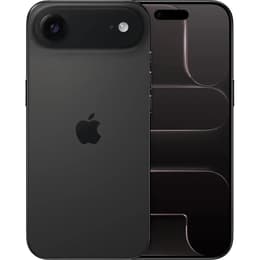
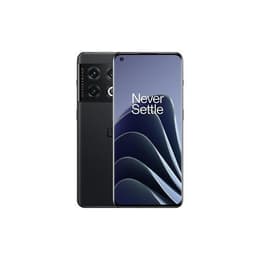
The iPhone Air (2025) and the OnePlus 10 Pro (2022) are distinct smartphones that approach mobile design and everyday usability from different angles. While the iPhone Air prioritizes an ultra-slim titanium profile and current-generation capabilities, the OnePlus 10 Pro focuses on a curved multimedia setup and established Android functionality. They operate on entirely different ecosystems, utilizing iOS and Android respectively, making the software interface a primary factor in daily navigation.
Available Models
Colour
Storage (GB)
Scores
Durability
When evaluating longevity, these two devices sit at very different points in their software support and release timelines.
- Release Timeline: The iPhone Air launched in late 2025, whereas the OnePlus 10 Pro debuted in early 2022, giving the Apple device a significant advantage in remaining software update lifespan.
- Software Support: Apple typically provides major operating system upgrades for five to six years from release, while the OnePlus 10 Pro approaches the later stages of its intended security patch cycle.
- Repairability and Build: Both devices feature durable glass and metal structures, though the exceptionally thin chassis of the iPhone Air requires careful handling compared to the slightly bulkier frame of the OnePlus competitor.
Year of Release
2025
2022
Compatible with latest Update
Yes
Yes
OS
iOS
Android
Foldable
No
No
Performance
Underneath the exterior, both handsets handle routine multi-tasking efficiently while employing different hardware architectures.
- System Responsiveness: The iPhone Air moves effortlessly through demanding workloads, rapid app switching, and sustained gaming sessions without noticeable stutter, aided by a high-efficiency processor architecture.
- Multitasking and Memory: The OnePlus 10 Pro relies on generous RAM configurations and an older generation processor that remains capable of managing daily web browsing, media streaming, and moderate app switching.
- Battery Behavior: The ultra-slim frame of the iPhone Air houses a compact power cell that comfortably gets standard users through a full day, whereas the larger physical footprint of the OnePlus 10 Pro accommodates a roomier battery complemented by rapid wired charging speeds.
Screen quality
Visual immersion differs notably between the two displays due to panel technology and physical dimensions.
- Display Technology: The iPhone Air features a flat OLED screen with deep contrast ratios and high peak brightness levels for outdoor readability, while the OnePlus 10 Pro utilizes a curved OLED panel with an adaptive refresh rate.
- Resolution and Smoothness: Both screens support a smooth 120Hz refresh rate that ensures fluid scrolling through web pages and documents, paired with high-resolution clarity for crisp text rendering.
- Viewing Experience: Users preferring a completely flat glass surface will find the iPhone Air straightforward to navigate, whereas fans of curved edges may appreciate the sprawling visual footprint of the slightly larger OnePlus display.
Resolution
2736x1260
1440 x 3216
Screen type
Super Retina XDR
LTPO2 Fluid AMOLED
Audiovisual
Optics and multimedia performance reflect different design priorities for capturing everyday moments and media playback.
- Camera Array: The iPhone Air streamlines photography with a single high-resolution main lens supported by advanced image processing, while the OnePlus 10 Pro deploys a versatile triple-lens rear system tuned with color calibration partnerships.
- Low-Light and Video: Both devices deliver clear low-light imagery and stable video recording, with Apple's processing excelling in dynamic range preservation and OnePlus offering broad ultra-wide framing options.
- Audio Output: Media consumption is handled via stereo speakers on both models, providing clear dialogue for calls and videos, though neither includes a traditional headphone jack.
Main camera
48 megapixels
48 megapixels
Front camera
18 megapixels
32 megapixels
Miscellaneous
Physical dimensions and connectivity standards dictate how each device fits into travel and daily routines.
- Port and Charging: The iPhone Air relies entirely on eSIM technology and a USB-C port for charging, whereas the OnePlus 10 Pro features traditional physical SIM slots alongside its charging interface.
- Dimensions and Weight: Weighing noticeably less with a remarkably slender profile, the iPhone Air prioritizes pocket-friendliness over the heavier, contoured grip of the OnePlus 10 Pro.
- Connectivity: Both models include modern wireless standards, featuring robust 5G capability and fast Wi-Fi connectivity for seamless cloud access on the go.
Weight
165 g
201 g
Screen size (in)
6.5
6.7
Network
5G
5G
SIM card
eSIM
Dual Physical SIM
Carrier compatibility
Unlocked
Unlocked
What the community thinks
User feedback highlights distinct preferences for each device across online communities. Owners of the iPhone Air frequently praise its featherlight weight, premium build materials, and fluid system response, though some note that the minimalist camera setup lacks optical zoom versatility. Conversely, users of the OnePlus 10 Pro appreciate its rapid charging speeds and expansive curved display, while pointing out that software update pacing slows down over time.
Users prioritizing an ultra-slim form factor, extended software support, and the iOS ecosystem will find the iPhone Air well-suited to their daily routines. Meanwhile, users who prefer an expansive curved display, physical SIM flexibility, and Android customization may lean toward the OnePlus 10 Pro. Exploring a quality-assured refurbished option provides a sustainable choice for acquiring either device without compromising on functional integrity.