

iPhone 17 Pro Vs Xiaomi 12T

iPhone 17 Pro
iPhone 17 Pro
Starting at

Refurbished price:1,100.00

Versus €1,339.00 new

See options
Xiaomi 12T
Xiaomi 12T
Starting at

Refurbished price:140.00

Versus €649.00 new

See options

Ratings

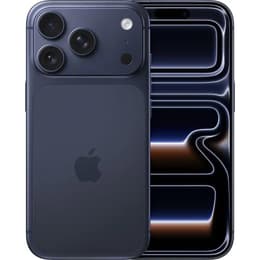
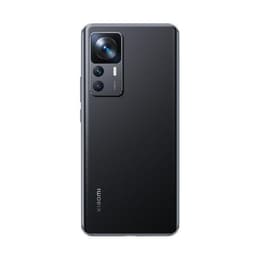
The iPhone 17 Pro, released in late 2025, and the Xiaomi 12T, launched in late 2022, represent distinct approaches to smartphone design and functionality. While both are capable devices, they cater to different user expectations, primarily differentiated by their operating systems, generational advancements in processing power, and camera capabilities. The iPhone 17 Pro operates on Apple's iOS, offering a tightly integrated ecosystem, whereas the Xiaomi 12T runs on Android with Xiaomi's MIUI overlay, providing a more customizable experience.

Scores

Durability

The longevity of a smartphone is influenced by its release timeline, software support, and physical durability features. These two devices offer different expectations in terms of their practical lifespan.

  • Release Timeline: The iPhone 17 Pro was introduced in September 2025, making it a current-generation device. The Xiaomi 12T, released in October 2022, is an older model, which impacts its remaining software support window.
  • Software Longevity: Apple typically provides major iOS updates for 5-7 years, with security patches extending even further, suggesting the iPhone 17 Pro could receive updates until approximately 2037. In contrast, the Xiaomi 12T launched with Android 12 and was promised three major Android OS updates (up to Android 15) and four years of security updates, which would extend until October 2026.
  • Physical Durability: The iPhone 17 Pro features Ceramic Shield 2 on both the front and back, offering enhanced scratch resistance and improved drop protection. The Xiaomi 12T utilizes Corning Gorilla Glass 5 for screen protection and has a plastic back and sides.

Year of Release

2025

2022

Compatible with latest Update

Yes

Yes

OS

iOS

Android

Foldable

No

No

Performance

Performance is a key area where the generational gap between these two smartphones becomes apparent, influencing how smoothly they handle demanding applications and multitasking.

  • Processing Power: The iPhone 17 Pro is equipped with Apple's A19 Pro chip, featuring a 6-core CPU and 6-core GPU, designed for significant performance gains and efficient handling of intensive tasks like advanced gaming and on-device AI. The Xiaomi 12T is powered by the MediaTek Dimensity 8100-Ultra processor, which was a strong performer in the upper-midrange segment at its release, capable of handling everyday tasks and many games smoothly.
  • Multitasking and Responsiveness: With 12GB of RAM, the iPhone 17 Pro offers substantial capacity for seamless multitasking and keeping numerous applications active in the background without slowdowns. The Xiaomi 12T comes with 8GB of RAM, which provides a responsive experience for typical daily usage and moderate multitasking.
  • Thermal Management: The iPhone 17 Pro incorporates a vapor chamber cooling system to maintain consistent performance during extended periods of heavy use, preventing thermal throttling. The Xiaomi 12T relies on its processor's inherent thermal efficiency for heat dissipation.

Memory (GB)

12 GB

8 GB

Screen quality

Both devices offer high-quality displays, but they differ in technology, brightness, and advanced features that impact the visual experience.

  • Display Technology and Clarity: Both smartphones feature AMOLED displays, known for deep blacks and vibrant colors. The iPhone 17 Pro has a 6.3-inch display with a 2622x1206 resolution at 460 pixels per inch, while the Xiaomi 12T offers a slightly larger 6.67-inch display with a 2712x1220 resolution at 446 pixels per inch.
  • Brightness and Refresh Rate: The iPhone 17 Pro boasts a peak outdoor brightness of 3000 nits and features ProMotion technology for an adaptive refresh rate up to 120Hz, ensuring smooth scrolling and responsive visuals. The Xiaomi 12T also provides a 120Hz refresh rate and a peak brightness of 900 nits, offering a fluid and bright viewing experience in most conditions.
  • Advanced Display Features: The iPhone 17 Pro introduces a new anti-reflective and more scratch-resistant display technology, enhancing durability and visibility in various lighting conditions. The Xiaomi 12T supports HDR10+ for improved contrast and color in compatible content.

Resolution

2622x1206

1220 x 2712

Screen type

Super Retina XDR

AMOLED

Audiovisual

The camera systems on these two phones reflect different design philosophies and offer varying capabilities for photography and videography.

  • Rear Camera System: The iPhone 17 Pro features a versatile triple 48-megapixel camera system, including a Fusion Main, Ultra Wide, and Telephoto lens, with the Telephoto lens offering up to 8x optical zoom. The Xiaomi 12T comes with a triple camera setup consisting of a 108-megapixel main sensor with optical image stabilization, an 8-megapixel ultrawide lens, and a 2-megapixel macro lens.
  • Photography Performance: The iPhone 17 Pro's larger, higher-resolution sensors and advanced Photonic Engine are designed to deliver detailed images with improved color accuracy and reduced noise, especially in challenging lighting. The Xiaomi 12T's 108-megapixel main sensor is capable of capturing sharp and vibrant photos in good lighting, though its secondary cameras offer more limited detail.
  • Video Capabilities: The iPhone 17 Pro supports 4K video recording across all three cameras, along with advanced features like ProRes RAW and Log 2 video, catering to professional content creation. It also offers dual video recording, allowing simultaneous capture from front and rear cameras. The Xiaomi 12T's main camera can record video at up to 4K@30fps.

Main camera

48 megapixels

108 megapixels

Front camera

18 megapixels

20 megapixels

Miscellaneous

Beyond the core specifications, several practical elements contribute to the overall user experience and daily usability of these smartphones.

  • Connectivity and Ports: The iPhone 17 Pro includes an Apple-designed N1 networking chip, supporting Wi-Fi 7, Bluetooth 6, and Thread, alongside a Qualcomm 5G modem for advanced wireless capabilities. The Xiaomi 12T supports Wi-Fi 6, Bluetooth 5.3, 5G connectivity, and features an infrared blaster. Both devices utilize USB-C for charging and data transfer.
  • Biometric Security and Design: The iPhone 17 Pro features Face ID for secure facial recognition and a Dynamic Island at the top of its display. The Xiaomi 12T incorporates an in-display fingerprint sensor for biometric authentication. The iPhone 17 Pro has a unibody aluminum chassis, while the Xiaomi 12T features a plastic back and sides.
  • Dimensions and Weight: The iPhone 17 Pro measures 150.0 x 71.9 x 8.75 mm and weighs 206g. The Xiaomi 12T measures 163.1 x 75.9 x 8.6 mm and weighs 202g, making it slightly taller and wider but marginally lighter.

Weight

206 g

220 g

Screen size (in)

6.3

6.67

Network

5G

5G

SIM card

eSIM

Dual Physical SIM

Carrier compatibility

Unlocked

Unlocked

Connector

USB-C

USB-C

The iPhone 17 Pro and Xiaomi 12T cater to different user priorities, reflecting their respective release timelines and target markets. Users often praise the iPhone 17 Pro for its cutting-edge performance, advanced camera system with extensive video capabilities, and the promise of long-term software support. Its new display technology and robust build materials are also frequently highlighted as significant advantages. Some users, however, might find the iOS ecosystem less open to customization compared to Android.

The Xiaomi 12T is generally appreciated for its vibrant AMOLED display, rapid 120W fast charging, and capable main camera, offering a strong overall package for its segment. Users often commend its value proposition and the flexibility of the Android operating system. Criticisms sometimes point to its more limited software update longevity compared to Apple devices and the performance of its secondary cameras. Some users also report that while the battery capacity is large, real-world battery life can be underwhelming for heavy users, despite the fast charging.

Users prioritizing the latest technology, extended software support, and a highly integrated ecosystem with professional-grade camera and video features will find the iPhone 17 Pro well-suited to their needs. Those who value a customizable Android experience, extremely fast charging, and a capable main camera for everyday photography may lean toward the Xiaomi 12T. Both devices can be excellent choices, and considering a quality-assured refurbished option for either model can provide a sustainable choice for consumers looking to make an informed purchasing decision.


See all articles

Our recent comparisons





