
Galaxy Z Flip4 Vs iPhone 14 Plus

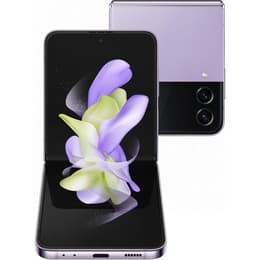
Galaxy Z Flip4
Galaxy Z Flip4
Starting at

Refurbished price:288.00

Versus €1,289.99 new

See options
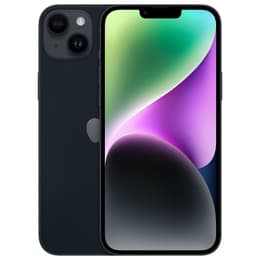
iPhone 14 Plus
iPhone 14 Plus
Starting at

Refurbished price:317.00

Versus €879.00 new

See options

Ratings

The Samsung Galaxy Z Flip4, released in August 2022, and the Apple iPhone 14 Plus, launched in October 2022, are two distinct smartphones offering different user experiences. The Z Flip4 stands out with its unique foldable design, allowing for a compact form factor, while the iPhone 14 Plus provides a traditional large-screen experience. Both devices run on their respective operating systems, Android for the Z Flip4 and iOS for the iPhone 14 Plus, each with its own ecosystem and software approach.

Scores

Durability

When considering the long-term usability of these devices, their release timelines and software support policies are key factors.

  • Software Longevity: The Galaxy Z Flip4 is eligible for four major Android OS updates and up to five years of security updates, meaning it is expected to receive support until Android 16, likely around 2027. The iPhone 14 Plus typically receives major iOS updates for approximately 5 to 7 years, with an estimated support timeline extending to iOS 22, around 2028.
  • Repairability: The Galaxy Z Flip4 has a lower repairability score, with challenges noted in replacing components like the screen and battery due to adhesive use and the complex foldable design. The iPhone 14 Plus initially received a higher repairability score due to internal redesigns, but this was later downgraded due to Apple's parts pairing and software validation requirements, which can complicate independent repairs.
  • Expected Lifespan: The Z Flip4's foldable screen is rated to withstand up to 200,000 folds, equivalent to about five years of use, though some users have reported issues with the screen protector peeling and hinge concerns over time. The iPhone 14 Plus, with its more traditional design, generally offers a robust build, and its practical lifespan is often tied to its extended software support.

Year of Release

2022

2022

Compatible with latest Update

Yes

Yes

OS

Android

iOS

Foldable

Yes

No

Performance

Both the Galaxy Z Flip4 and the iPhone 14 Plus deliver capable performance for everyday tasks, though their underlying hardware architectures differ.

  • Processing Power: The Galaxy Z Flip4 handles demanding applications and multitasking smoothly, powered by a current-generation processor and 8GB of RAM. The iPhone 14 Plus also offers strong performance for apps and gaming, utilizing a powerful processor and 6GB of RAM, providing a responsive user experience.
  • Multitasking and Responsiveness: Users of both devices can expect fluid navigation and quick app loading. The Z Flip4's 8GB RAM contributes to efficient multitasking, while the iPhone 14 Plus's optimized software and hardware integration ensure consistent responsiveness even with multiple applications open.
  • Battery Behavior: The Galaxy Z Flip4 features a 3700mAh battery, with user experiences varying; some report it requires more frequent charging, especially with heavy use, and battery degradation can be noticeable after a couple of years. The iPhone 14 Plus, equipped with a 4325mAh battery, is recognized for its extended battery life, often lasting through a full day of intensive use.

Memory (GB)

8 GB

6 GB

Screen quality

The display experience on the Galaxy Z Flip4 and iPhone 14 Plus presents a fundamental difference in design and technology.

  • Display Technology and Size: The Galaxy Z Flip4 features a 6.7-inch Foldable Dynamic AMOLED 2X main display with a resolution of 1080x2640 pixels, offering vibrant colors and deep blacks. It also includes a 1.9-inch Super AMOLED cover screen for quick interactions when folded. The iPhone 14 Plus sports a 6.7-inch Super Retina XDR OLED display with a resolution of 1284x2778 pixels, known for its excellent color accuracy and contrast.
  • Refresh Rate and Smoothness: The Z Flip4's main display boasts a 120Hz refresh rate, providing smooth scrolling and a fluid visual experience. In contrast, the iPhone 14 Plus has a standard 60Hz refresh rate, which some users might find less fluid compared to higher refresh rate displays, particularly during fast-paced content or scrolling.
  • Clarity and Durability: Both phones offer sharp and clear visuals. However, the Z Flip4's foldable screen has a plastic protective layer over its ultra-thin glass, which some users have reported can be prone to peeling or scratching over time. The iPhone 14 Plus uses a more conventional glass display, offering robust scratch resistance.

Resolution

1080 x 2640

1284 x 2778

Screen type

Foldable Dynamic AMOLED 2X

Super Retina XDR OLED

Audiovisual

Both devices offer capable camera systems for capturing photos and videos, with distinct strengths and features.

  • Rear Camera System: The Galaxy Z Flip4 features a dual-camera setup on the rear, consisting of a 12MP wide-angle lens and a 12MP ultra-wide-angle lens. The iPhone 14 Plus also comes with a dual-camera system, including a 12MP wide-angle primary camera and a 12MP ultra-wide-angle camera.
  • Photography Performance: For everyday photography, both phones produce detailed and color-accurate images. The iPhone 14 Plus is noted for its strong low-light performance and features like Action Mode for stabilized video recording. Some Z Flip4 users have expressed that while daytime photos are good, night photography can be less impressive. The iPhone 14 Plus does not include a dedicated telephoto lens, limiting optical zoom capabilities.
  • Front Camera and Audio: The Z Flip4 has a 10MP front camera, while the iPhone 14 Plus features a 12MP front camera with autofocus, enhancing selfie quality. Both devices offer good microphone quality for calls and video recording, and their speaker outputs provide a satisfactory media consumption experience.

Main camera

12 megapixels

12 megapixels

Front camera

10 megapixels

12 megapixels

Miscellaneous

Beyond their core features, several practical elements differentiate the Galaxy Z Flip4 and the iPhone 14 Plus, impacting daily use and handling.

  • Connectivity and Ports: Both devices support 5G connectivity and modern Wi-Fi standards. The Galaxy Z Flip4 uses a USB-C port for charging and data transfer. The iPhone 14 Plus, however, retains the Lightning port.
  • Biometric Security and Sensors: The Z Flip4 incorporates a side-mounted fingerprint sensor for secure unlocking. The iPhone 14 Plus relies on Face ID for facial recognition. Both include standard sensors like accelerometers, gyroscopes, and compasses.
  • Design and Durability Features: The Z Flip4's foldable design allows it to be more compact when closed, making it highly portable. It features an aluminum frame and Gorilla Glass Victus+ on the back, with IPX8 water resistance, though it lacks official dust resistance. The iPhone 14 Plus has an aluminum frame and Ceramic Shield front cover, offering IP68 dust and water resistance. Some Z Flip4 users have reported issues with the device overheating during intensive tasks.

Weight

187 g

150 g

Screen size (in)

6.7

6.7

Network

5G

5G

SIM card

Physical SIM + eSIM

eSIM

Carrier compatibility

Unlocked

Unlocked

Connector

USB-C

Lightning

The Samsung Galaxy Z Flip4 and the iPhone 14 Plus cater to different preferences, each excelling in specific areas. Users often praise the Z Flip4 for its innovative foldable form factor, which offers a unique blend of portability and a large screen when unfolded. Its ability to stand on its own for media consumption or video calls is also a frequently highlighted benefit. However, common criticisms include concerns about the durability of the foldable screen and hinge over extended use, potential overheating, and some users noting that the camera performance, particularly in low light, does not always meet expectations for a premium device.

The iPhone 14 Plus is generally lauded for its exceptional battery life, robust performance, and consistent camera quality, especially its video capabilities. Users appreciate the reliability and long-term software support characteristic of Apple devices. On the other hand, some common criticisms include the 60Hz display, which can feel less fluid compared to competitors, the continued use of the Lightning port, and a perceived lack of customization options compared to Android.

Users prioritizing a compact, innovative design with a flexible display for unique usage scenarios may find the Galaxy Z Flip4 well-suited to their needs. Those who value extended battery life, a consistently smooth software experience, and a traditional, durable smartphone form factor might lean towards the iPhone 14 Plus. Both devices offer a quality-assured refurbished option, providing an eco-friendly alternative for consumers seeking to make informed and sustainable choices.
See all articles

Our recent comparisons