

iPhone 16 Pro Max Vs Xiaomi Redmi Note 11 Pro 5G

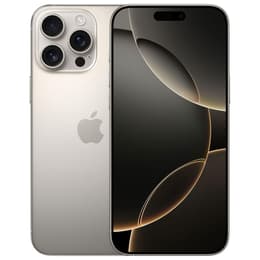
iPhone 16 Pro Max
iPhone 16 Pro Max
Starting at

Refurbished price:821.00

Versus €1,489.00 new

See options
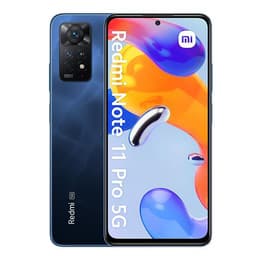
Xiaomi Redmi Note 11 Pro 5G
Starting at

Refurbished price:126.00

Versus €699.00 new

See options

Ratings

The iPhone 16 Pro Max, a flagship smartphone released in 2026, and the Xiaomi Redmi Note 11 Pro 5G, launched in early 2022, represent different segments and generations within the smartphone market. While both devices offer 5G connectivity and aim to provide a comprehensive mobile experience, they cater to distinct user expectations regarding performance, camera capabilities, and overall ecosystem. The iPhone operates on Apple's iOS, known for its integrated software and hardware, whereas the Redmi Note 11 Pro 5G runs on Android with Xiaomi's MIUI overlay, offering a more customizable experience.

Scores

Durability

When considering the practical lifespan of these devices, their release timelines and software support policies are key differentiators.

  • Software Longevity: Apple typically provides major iOS updates for its iPhones for approximately five to seven years from release, with security patches often extending even longer. This means the iPhone 16 Pro Max can be expected to receive software support well into the 2030s. In contrast, the Xiaomi Redmi Note 11 Pro 5G, released in 2022, typically receives two to three major Android OS updates and three to four years of security updates, suggesting its software support will conclude sooner. [5, 14, 21, 30, 34]
  • Physical Durability: The iPhone 16 Pro Max features a Ceramic Shield front and a titanium frame, contributing to its robust build and IP68 water and dust resistance, allowing for submersion in water. [15, 18, 26, 42] The Redmi Note 11 Pro 5G has a glass front and back with a plastic frame and an IP53 rating, offering protection against splashes and dust but not full submersion. [1, 20, 35]
  • Repairability: While specific repairability scores can vary, Apple's ecosystem generally offers authorized repair services and parts for an extended period. For the Redmi Note 11 Pro 5G, repair options are widely available through third-party services, though official support might be shorter-lived compared to the iPhone.

Year of Release

2024

2022

Compatible with latest Update

Yes

No

Foldable

No

No

Performance

The performance of a smartphone significantly impacts daily usage, from app responsiveness to handling demanding tasks. These two devices offer different levels of processing power and memory configurations.

  • Processing Power: The iPhone 16 Pro Max is equipped with Apple's latest-generation A-series Pro chip, designed for high-end performance. This allows for exceptionally smooth multitasking, rapid app loading, and efficient handling of graphics-intensive games and professional applications. The Xiaomi Redmi Note 11 Pro 5G utilizes a Qualcomm Snapdragon 695 processor, which provides reliable performance for everyday tasks, social media, and moderate gaming. [1, 2, 3, 17]
  • Multitasking and Storage: The iPhone 16 Pro Max typically comes with ample RAM, ensuring seamless transitions between numerous open applications without slowdowns. Storage options are generous, catering to users with large media libraries or extensive app collections. The Redmi Note 11 Pro 5G is available with 6GB or 8GB of RAM and 64GB or 128GB of internal storage, which is expandable via a microSD card, offering flexibility for users who need more space. [3, 16]
  • Battery Behavior: Both devices offer substantial battery capacities. The iPhone 16 Pro Max is optimized for efficient power consumption, providing extended usage times even with its powerful components. The Redmi Note 11 Pro 5G features a 5000mAh battery, which generally provides excellent endurance, often lasting a full day of heavy use or up to two days with lighter usage. [1, 7, 19, 22, 28, 35]

Memory (GB)

8 GB

6 GB

Screen quality

The display is a primary interface for any smartphone, and both models offer distinct visual experiences tailored to their respective categories.

  • Display Technology and Clarity: The iPhone 16 Pro Max features a Super Retina XDR OLED display, offering deep blacks, vibrant colors, and exceptional contrast. Its high resolution and pixel density result in incredibly sharp text and detailed images. [13, 18] The Redmi Note 11 Pro 5G sports a 6.67-inch AMOLED display with a 1080x2400 resolution, providing vivid colors and good clarity for media consumption and daily use. [1, 2]
  • Smoothness and Brightness: The iPhone 16 Pro Max includes ProMotion technology, enabling an adaptive refresh rate up to 120Hz for fluid scrolling and responsive interactions, along with high peak brightness levels for excellent outdoor visibility. [13, 18] The Redmi Note 11 Pro 5G also offers a 120Hz refresh rate for a smooth visual experience and features an effective sunlight mode that automatically boosts brightness for better outdoor viewing. [1, 2]
  • Viewing Experience: The iPhone 16 Pro Max's display supports HDR content, delivering enhanced dynamic range for compatible videos and photos. The Redmi Note 11 Pro 5G's display, while vibrant, does not support HDR due to limitations of its processor. [1]

Resolution

1320 x 2868

1080 x 2400

Screen type

LTPO Super Retina XDR OLED

Super AMOLED

Audiovisual

Camera capabilities are a significant factor for many smartphone users, and these devices approach photography and videography with different strengths.

  • Rear Camera System: The iPhone 16 Pro Max boasts an advanced Pro camera system, typically including a high-resolution main sensor, an ultrawide lens, and a telephoto lens with significant optical zoom capabilities. It excels in various lighting conditions, offering detailed images, excellent color accuracy, and advanced computational photography features like Night mode and Deep Fusion. [10, 13, 18, 25, 36] The Xiaomi Redmi Note 11 Pro 5G features a triple-camera setup with a 108MP main sensor, an 8MP ultrawide, and a 2MP macro lens. Its main camera performs well in good lighting, capturing detailed photos, but the secondary lenses are less versatile. [1, 6, 11, 17]
  • Video Recording: The iPhone 16 Pro Max offers extensive video recording capabilities, including 4K Dolby Vision HDR, Cinematic mode for depth effects, Action mode for stabilization, and ProRes video for professional-grade capture. [10, 13, 18, 36] The Redmi Note 11 Pro 5G is limited to 1080p at 30 frames per second for video recording, lacking 4K capability, which is a notable difference for users prioritizing video quality. [1, 6, 11, 23]
  • Audio and Front Camera: Both devices provide good audio for calls and media. The iPhone 16 Pro Max's front camera includes advanced features like autofocus and enhanced low-light performance. The Redmi Note 11 Pro 5G has a 16MP front camera that captures clear selfies. [1, 11, 13, 36]

Main camera

48 megapixels

108 megapixels

Front camera

12 megapixels

16 megapixels

Miscellaneous

Beyond core features, several practical elements contribute to the overall user experience and daily convenience of a smartphone.

  • Connectivity and Ports: Both devices support 5G connectivity for fast mobile data. The iPhone 16 Pro Max is expected to feature a USB-C port, offering broad compatibility with accessories. It also supports the latest Wi-Fi standards and Bluetooth versions. The Redmi Note 11 Pro 5G also has a USB-C port, Wi-Fi 5, Bluetooth 5.1, and notably includes a 3.5mm headphone jack, which is absent on the iPhone. [1, 24]
  • Biometric Security and Design: The iPhone 16 Pro Max relies on Face ID for secure facial recognition. Its design typically involves premium materials like titanium, contributing to a solid and refined feel. [15, 18] The Redmi Note 11 Pro 5G features a side-mounted fingerprint sensor for biometric authentication. Its design includes a glass back with a matte finish, offering a comfortable grip. [1, 20]
  • Additional Features: The Redmi Note 11 Pro 5G includes an IR blaster, a feature common in some Android phones that allows it to function as a universal remote control. [1] The iPhone 16 Pro Max integrates advanced sensors and features within its iOS ecosystem, such as the Dynamic Island and Always-On display, enhancing user interaction. [13, 18]

Weight

227 g

202 g

Screen size (in)

6.9

6.67

Network

5G

5G

SIM card

Physical SIM + eSIM

Dual Physical SIM

Carrier compatibility

Unlocked

Unlocked

Connector

USB-C (USB 3)

USB-C + Jack 3.5mm

The iPhone 16 Pro Max and the Xiaomi Redmi Note 11 Pro 5G cater to different user needs and priorities, largely due to their generational gap and market positioning. Users frequently praise the iPhone Pro Max series for its exceptional camera capabilities, powerful performance, and long-term software support, making it a strong choice for those who prioritize a premium, integrated experience and extended device longevity. Some past concerns with earlier Pro Max models included potential overheating under heavy load, though subsequent software updates and hardware refinements typically address these. [38, 39, 44]

The Xiaomi Redmi Note 11 Pro 5G is often lauded by users for its vibrant AMOLED display, impressive battery life, and rapid charging speeds. [19, 20, 27] However, common criticisms include its less capable secondary cameras, the absence of 4K video recording, and occasional software inconsistencies with MIUI. [27, 32, 33] Users who prioritize a smooth display, long battery life, and fast charging in a more budget-conscious package may find the Redmi Note 11 Pro 5G well-suited to their needs. Conversely, users who demand cutting-edge camera performance, the highest processing power, and a longer software support window will likely lean towards the iPhone 16 Pro Max.

Ultimately, the choice depends on individual priorities. For those seeking a device with a longer expected software lifespan, top-tier performance, and advanced camera features, the iPhone 16 Pro Max is a compelling option. For users who value a large, smooth display, excellent battery endurance, and fast charging, the Redmi Note 11 Pro 5G offers a practical solution. Both devices, whether new or as a quality-assured refurbished option, provide distinct advantages for different user profiles.


See all articles

Our recent comparisons