

Compare models
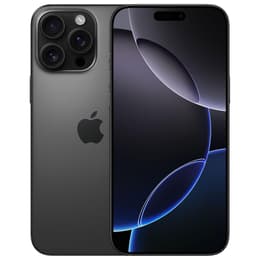
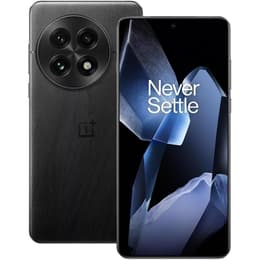
iPhone 16 Pro Max Vs OnePlus 13
- 1-year minimum warranty
- Free delivery on all orders
- Free 30-day returns
Differences at a glance
The Apple iPhone 16 Pro Max (2024) and the OnePlus 13 (2025) represent top-tier smartphone engineering designed for users seeking expansive screens and robust capability. While both devices serve as flagship heavyweights in the mobile market, they diverge significantly in their operating systems, hardware philosophy, and ecosystem integration. Choosing between them depends largely on user preferences regarding software environments and daily workflow priorities.
Available Models
Colour
Storage (GB)
Scores
Durability
Both smartphones are built to remain operational for many years, though their software update pathways and material resilience differ slightly based on manufacturer support models.
- Software longevity and updates: The iPhone 16 Pro Max benefits from Apple's long-standing support record, typically delivering system updates for five to six years. The OnePlus 13 also provides multi-year software commitments under the Android ecosystem.
- Repairability and build durability: The iPhone 16 Pro Max utilizes a titanium frame and ceramic front shield glass designed to resist impacts. The OnePlus 13 features robust glass options paired with an aluminum frame, alongside structured water and dust resistance ratings.
- Expected practical lifespan: Both devices offer high-capacity components that maintain functional speed well past typical upgrade cycles, making either model a sustainable choice when opting for a quality-assured refurbished option.
Year of Release
2024
2025
Compatible with latest Update
Yes
Yes
Foldable
No
No
Performance
Daily execution speeds and multitasking capabilities on both devices handle intensive software effortlessly, though they approach resource management differently.
- Storage and memory configurations: Both models provide generous baseline storage capacities starting at ample tiers, paired with substantial memory pools that keep background apps active without stuttering.
- Processor capabilities and responsiveness: Applications open instantaneously, and demanding 3D games run at high frame rates with advanced thermal cooling architectures preventing performance throttling during extended use.
- Battery behavior: The iPhone 16 Pro Max manages power efficiency tightly to sustain long usage periods, while the OnePlus 13 incorporates high-capacity silicon-carbon battery technology paired with rapid charging capabilities that replenish power quickly.
Screen quality
Viewing media and navigating interfaces on these large-format displays offers crisp visual fidelity and smooth motion handling.
- Display technology: Both models use advanced OLED panels that produce deep black levels, high contrast ratios, and vivid color reproduction for photos and videos.
- Brightness and outdoor visibility: Peak brightness levels on both screens ensure clear readability under direct sunlight, automatically adjusting lumens based on ambient lighting conditions.
- Refresh rate and smoothness: Dynamic refresh rates scaling up to 120Hz ensure fluid scrolling through web pages and responsive touch tracking during gaming sessions.
Resolution
1320 x 2868
1440 x 3168
Screen type
LTPO Super Retina XDR OLED
AMOLED
Audiovisual
Photography and video capture suites on both devices cater to casual creators and enthusiasts alike through versatile multi-lens configurations.
- Camera system capabilities: Both phones include high-resolution main sensors, ultra-wide lenses for expansive landscapes, and dedicated telephoto modules offering optical zoom levels without detail loss.
- Low-light and video performance: Advanced image processing captures sharp details in dim environments, while steady 4K video recording features provide cinematic stabilization for moving subjects.
- Audio and media output: Stereo speaker setups deliver balanced sound separation and adequate volume levels for hands-free calls or watching media without external headphones.
Miscellaneous
Practical daily usability elements shape how each device feels during routine handling and connectivity tasks.
- Connectivity and ports: Both units support current wireless standards including 5G connectivity and fast Wi-Fi protocols, utilizing universal USB-C ports for data transfer and wired charging.
- Biometrics and sensors: The iPhone 16 Pro Max relies exclusively on advanced facial recognition, while the OnePlus 13 offers an optical in-display fingerprint sensor alongside facial unlock options.
- Physical dimensions and weight: Both devices feature large footprints exceeding six inches, requiring two-handed use for comfortable reach across the screen, though subtle weight distribution differences affect pocket feel.
Weight
227 g
213 g
Screen size (in)
6.9
6.82
Network
5G
5G
SIM card
Physical SIM + eSIM
Dual Physical SIM
Carrier compatibility
Unlocked
Unlocked
Connector
USB-C (USB 3)
USB-C
What the community thinks
User feedback from online communities highlights distinct preferences between the two devices. Owners of the iPhone 16 Pro Max frequently praise its reliable video capture consistency, robust build materials, and seamless integration with other Apple hardware. Conversely, OnePlus 13 users often emphasize the convenience of rapid wired charging speeds, the flexibility of the Android operating system, and the high-resolution curved display.
Users prioritizing a closed ecosystem, long-term software predictability, and advanced video tools will find the iPhone 16 Pro Max well-suited to their workflow. Meanwhile, users who value flexible customization, faster power replenishment, and fingerprint biometric options may lean toward the OnePlus 13. Exploring an eco-friendly alternative through a quality-assured refurbished option allows consumers to access either of these high-end smartphones while supporting sustainable purchasing habits.