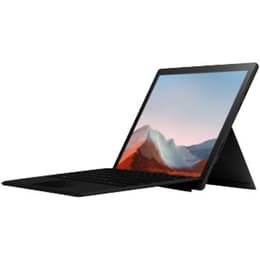


Lenovo ThinkPad X380 Yoga 13" Vs Microsoft Surface Pro 7 12"

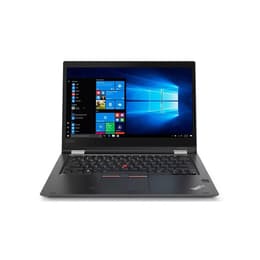
Lenovo ThinkPad X380 Yoga 13"
Starting at

Refurbished price:325.00

Versus €1,374.80 new

See options
Microsoft Surface Pro 7 12"
Starting at

Refurbished price:334.00

Versus €1,399.00 new

See options

Ratings

The Lenovo ThinkPad X380 Yoga, released in 2018, and the Microsoft Surface Pro 7, launched in 2019, are both versatile 2-in-1 devices designed to adapt to various computing needs. While the ThinkPad X380 Yoga functions primarily as a convertible laptop with a 360-degree hinge, the Surface Pro 7 offers a detachable tablet experience. Both run on the Windows operating system, but they cater to slightly different user preferences through their distinct form factors and feature sets. Opting for a quality-assured refurbished model of either device presents an eco-friendly alternative for consumers.

Scores

Durability

When considering the long-term usability of these devices, their release timelines and design philosophies play a significant role. The ThinkPad X380 Yoga, being an earlier release, may have a slightly shorter remaining period for official operating system updates compared to the Surface Pro 7.

  • Software Support: The Surface Pro 7, released a year later, benefits from an extended period of official Windows updates, potentially offering one more year of software longevity and security patches. The ThinkPad X380 Yoga, while still receiving updates, will reach its end-of-life for major OS upgrades sooner.
  • Physical Durability: The ThinkPad X380 Yoga features a carbon-fiber hybrid chassis and is MIL-STD-810G tested, indicating a robust build designed to withstand various environmental stresses. The Surface Pro 7 utilizes a magnesium alloy unibody design, which also provides a solid feel, though its detachable nature and glued components present different considerations for long-term physical integrity.
  • Repairability: The ThinkPad X380 Yoga allows for SSD upgrades, offering some flexibility for internal maintenance. In contrast, the Surface Pro 7 has a very low repairability score, with its display, battery, and core components often glued or soldered, making repairs and upgrades challenging and costly.

Year of Release

2017

2019

Last Os Compatibility

Yes

Yes

OS

Windows 11

Windows 11

Performance

Both devices offer capable performance for everyday tasks, though the Surface Pro 7 benefits from a newer generation of internal components, which can translate to a more responsive experience in certain scenarios.

  • Processing Power: The ThinkPad X380 Yoga is equipped with 8th-generation processors, which handle common applications and multitasking efficiently. The Surface Pro 7 features 10th-generation processors, providing a noticeable boost in speed for demanding applications and more intensive multitasking, along with improved graphics capabilities.
  • Memory and Storage: Both devices offer configurations with 8GB or 16GB of RAM. The ThinkPad X380 Yoga's RAM is soldered, while its SSD is generally accessible for upgrades. The Surface Pro 7's RAM and SSD are typically soldered, limiting future upgrade options for these components. Both offer various SSD storage capacities, from 128GB up to 1TB.
  • Battery Performance: The ThinkPad X380 Yoga typically delivers around 8 to 9.5 hours of use on a single charge, with rapid charging capabilities. The Surface Pro 7, despite its newer processor, often provides 6 to 8 hours of real-world battery life, which can be less than its predecessor, though it also supports fast charging.

Memory (GB)

8 GB

8 GB

Processor

Core i7 - Gen 8 (U)

Core i5 - Gen 10 (G4)

Graphic card

Integrated Graphics

Integrated Graphics

Screen quality

The visual experience on both devices is designed for clarity and touch interaction, but they differ in resolution and aspect ratio, influencing how content is displayed and interacted with.

  • Display Technology and Resolution: The ThinkPad X380 Yoga features a 13.3-inch Full HD (1920 x 1080) IPS touchscreen, offering clear visuals suitable for productivity and general media consumption. The Surface Pro 7 boasts a 12.3-inch PixelSense display with a higher resolution of 2736 x 1824 pixels, resulting in a sharper image with more detail.
  • Brightness and Clarity: The ThinkPad X380 Yoga's display typically reaches around 300-322 nits of brightness and includes anti-reflective and anti-smudge coatings, which can be beneficial in varied lighting conditions. The Surface Pro 7's display is noted for its brightness and vivid colors, making it suitable for outdoor use and offering a rich viewing experience.
  • Aspect Ratio and Touch: The ThinkPad X380 Yoga uses a 16:9 aspect ratio, common for laptops, while the Surface Pro 7 employs a 3:2 aspect ratio, which provides more vertical screen real estate, often preferred for document work and web browsing. Both displays are multi-touch enabled, with the ThinkPad X380 Yoga including an integrated, rechargeable stylus, and the Surface Pro 7 supporting the separately sold Surface Pen.

Resolution

1920 x 1080

2736 x 1824

Audiovisual

Both devices include cameras and audio systems suitable for communication and basic media, with the Surface Pro 7 offering a more comprehensive camera setup.

  • Camera Capabilities: The ThinkPad X380 Yoga is equipped with a 720p HD webcam, sufficient for video conferencing. The Surface Pro 7 features a 5MP front-facing camera capable of 1080p HD video and an 8MP rear-facing camera with autofocus, also recording in 1080p HD, providing more versatility for photography and scanning documents.
  • Audio Input and Output: The ThinkPad X380 Yoga's speakers are generally considered average, providing clear vocals but lacking in bass. The Surface Pro 7 includes dual far-field Studio Mics for clear voice recording and 1.6W stereo speakers with Dolby Audio, offering a more immersive audio experience for media consumption and clearer communication.
  • Video Conferencing: Both devices are well-suited for video calls, with the Surface Pro 7's higher-resolution front camera and advanced microphones potentially offering a clearer and more professional presentation.

Miscellaneous

Beyond core performance and display, several practical elements differentiate these two 2-in-1 devices, impacting their daily usability and connectivity.

  • Connectivity Options: The ThinkPad X380 Yoga includes a Thunderbolt 3 port, offering high-speed data transfer and versatile docking capabilities. It also features Wi-Fi 802.11ac and Bluetooth 4.2. The Surface Pro 7 introduced a USB-C port (USB 3.1, not Thunderbolt), alongside a USB-A port and the proprietary Surface Connect port. It supports newer Wi-Fi 6 (802.11ax) and Bluetooth 5.0, providing faster wireless speeds and improved range.
  • Physical Design and Handling: The ThinkPad X380 Yoga, weighing around 1.4kg, is a traditional convertible laptop with a robust build and a keyboard that retracts in tablet mode for protection. The Surface Pro 7, weighing approximately 770-790g (tablet only), is lighter and designed as a tablet first, with a built-in kickstand and a detachable keyboard cover (sold separately). The Surface Pro 7's design features thicker bezels compared to more modern devices.
  • Security and Input: Both devices offer biometric security; the ThinkPad X380 Yoga has a fingerprint reader and an optional IR camera, while the Surface Pro 7 relies on Windows Hello facial recognition. The ThinkPad X380 Yoga integrates a rechargeable stylus, whereas the Surface Pen for the Surface Pro 7 is an additional purchase.

Weight

1430 g

775 g

Screen size

13

12

User feedback for the Lenovo ThinkPad X380 Yoga often highlights its robust build quality, comfortable keyboard, and the convenience of its integrated, rechargeable stylus. Users appreciate its durability and the traditional laptop experience it offers, even with its convertible functionality. Some common criticisms include its moderate screen brightness and battery life that, while decent, may not always last a full demanding workday.

The Microsoft Surface Pro 7 is frequently praised for its sharp, vibrant display, excellent portability, and the versatility of its tablet form factor with a kickstand. The inclusion of a USB-C port was a welcome addition for many. However, recurring concerns revolve around its battery life, which some users found underwhelming compared to expectations or previous models, and its thick screen bezels, which can make the design feel less contemporary. Its low repairability score is also a point of concern for those considering long-term maintenance.

Users prioritizing a traditional laptop experience with a highly durable build and an integrated stylus for note-taking or drawing may find the Lenovo ThinkPad X380 Yoga well-suited to their needs. Its robust construction makes it a reliable choice for those who need a device that can withstand frequent travel and varied environments. Conversely, individuals who value a highly portable, tablet-first device with a high-resolution display and strong camera capabilities for video calls might lean towards the Microsoft Surface Pro 7. Its lighter weight and detachable keyboard make it ideal for on-the-go use where a tablet form factor is often preferred. Both devices are available as quality-assured refurbished options, providing a sustainable choice for consumers.


See all articles

Our recent comparisons