
iPhone 14 Pro Vs iPhone SE (2020)

iPhone 14 Pro
iPhone 14 Pro
Starting at

Refurbished price:423.00

Versus €1,339.00 new

See options
iPhone SE (2020)
iPhone SE (2020)
Starting at

Refurbished price:99.00

Versus €319.00 new

See options

Ratings

The iPhone 14 Pro, released in September 2022, and the iPhone SE 2020, launched in April 2020, represent distinct offerings within Apple's smartphone lineup. While both operate on the iOS platform, they cater to different user preferences through significant differences in design, display technology, camera capabilities, and overall processing power. This comparison aims to highlight these practical distinctions to help users make an informed decision.

Scores

Durability

The longevity of a smartphone is influenced by its physical resilience and its software support timeline.

  • Release Timeline and Software Support: The iPhone 14 Pro, being a newer device, benefits from a longer expected period of major iOS updates compared to the iPhone SE 2020. The iPhone SE 2020, released in April 2020, is nearing the end of its typical major OS update cycle, whereas the iPhone 14 Pro, released in September 2022, will continue to receive updates for several more years.
  • Physical Durability: The iPhone 14 Pro features a Ceramic Shield front cover and a textured matte glass back, encased in a stainless steel frame, offering enhanced resistance to drops and scratches. It also boasts an IP68 rating for water and dust resistance, allowing submersion in deeper water for longer periods. In contrast, the iPhone SE 2020 utilizes a glass front and back with an aluminum frame and carries an IP67 rating, providing protection against dust and water splashes.
  • Practical Lifespan: Both devices are built to Apple's quality standards, but the newer materials and higher water resistance of the iPhone 14 Pro, combined with its extended software support, suggest a potentially longer practical lifespan for users who prioritize the latest features and maximum protection.

Year of Release

2022

2020

Compatible with latest Update

Yes

Yes

OS

iOS

iOS

Foldable

No

No

Performance

Performance is a key differentiator, impacting how smoothly applications run and how efficiently the device handles demanding tasks.

  • Processing Power: The iPhone 14 Pro is equipped with a more advanced processor, enabling it to handle graphically intensive games, complex applications, and heavy multitasking with greater ease and responsiveness. This results in quicker app loading times and smoother transitions between tasks. The iPhone SE 2020, while still offering capable performance for everyday use, may show limitations when running the most demanding applications or engaging in extensive multitasking.
  • Memory and Storage: The iPhone 14 Pro typically comes with 6GB of RAM, which contributes to its superior multitasking capabilities and overall system fluidity. The iPhone SE 2020 features 3GB of RAM, which is sufficient for general use but can be a factor in performance when many apps are open simultaneously. Both models offer various internal storage options, with the iPhone 14 Pro providing higher maximum capacities.
  • Battery Behavior: The iPhone 14 Pro generally offers a larger battery capacity, translating to longer usage times on a single charge, particularly for heavy users. Users often report the iPhone 14 Pro lasting through a full day of varied use. The iPhone SE 2020's smaller battery capacity means more frequent charging for heavy users, though it can still provide adequate power for moderate daily tasks.

Memory (GB)

6 GB

3 GB

Screen quality

The display is a primary interface for interaction, and there are notable differences in the visual experience offered by these two iPhones.

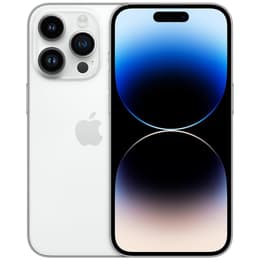
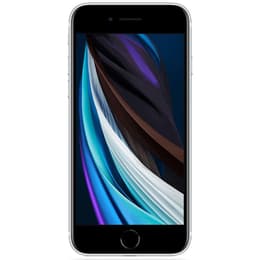
  • Display Technology and Size: The iPhone 14 Pro features a 6.1-inch Super Retina XDR OLED display, known for its deep blacks, vibrant colors, and high contrast. It also incorporates the Dynamic Island, a redesigned area at the top of the screen that dynamically adapts to show alerts and activities. The iPhone SE 2020 has a smaller 4.7-inch Retina IPS LCD display with traditional bezels and a home button, offering good color accuracy but with less contrast and brightness compared to OLED technology.
  • Brightness and Clarity: The iPhone 14 Pro boasts significantly higher peak brightness levels, reaching up to 2000 nits for outdoor visibility, making it easier to view content in bright sunlight. Its higher resolution (2556x1179 pixels at 460 ppi) provides sharper text and images. The iPhone SE 2020 has a typical brightness of 625 nits and a resolution of 1334x750 pixels at 326 ppi, which is clear for most viewing but less impactful in bright environments.
  • Refresh Rate and Features: The iPhone 14 Pro includes ProMotion technology, offering an adaptive refresh rate that can go up to 120Hz for smoother scrolling and more fluid animations, and down to 1Hz for power efficiency with its Always-On Display. The iPhone SE 2020 has a standard 60Hz refresh rate, providing a consistent but less fluid visual experience.

Resolution

1179 x 2556

750 x 1334

Screen type

LTPO Super Retina XDR OLED

Retina IPS LCD

Audiovisual

The camera systems on these devices offer distinct capabilities, catering to different levels of photographic ambition.

  • Rear Camera System: The iPhone 14 Pro features a versatile triple-camera system, including a 48MP Main sensor that uses pixel binning to produce detailed 12MP photos, a 12MP Ultra Wide lens, and a 12MP Telephoto lens for optical zoom. It excels in low-light conditions and offers advanced computational photography features like Photonic Engine and Night mode. The iPhone SE 2020 has a single 12MP wide-angle camera with an f/1.8 aperture and optical image stabilization. While capable of good everyday photos, it lacks the versatility and advanced low-light performance of the 14 Pro.
  • Video Recording and Features: The iPhone 14 Pro supports 4K video recording at various frame rates, including advanced features like Cinematic Mode for shallow depth-of-field effects in 4K HDR, Action Mode for smooth handheld video, and ProRes video recording for professional workflows. The iPhone SE 2020 can record 4K video at up to 60fps and includes cinematic video stabilization, but it does not offer the more advanced video modes found on the 14 Pro.
  • Front Camera and Portrait Mode: The iPhone 14 Pro's 12MP TrueDepth front camera includes autofocus and Night mode for selfies. Both devices support Portrait Mode with advanced bokeh and Depth Control, but the iPhone SE 2020's software-based Portrait Mode is limited to detecting people, whereas the 14 Pro's system is more versatile.

Main camera

48 megapixels

12 megapixels

Front camera

12 megapixels

7 megapixels

Miscellaneous

Beyond core features, several practical elements contribute to the overall user experience and daily usability of these smartphones.

  • Connectivity and Ports: The iPhone 14 Pro supports 5G cellular connectivity, offering faster download and upload speeds in compatible areas, along with Wi-Fi 6 and Bluetooth 5.3. The iPhone SE 2020 supports 4G LTE, Wi-Fi 6, and Bluetooth 5.0. Both devices utilize the Lightning port for charging and data transfer.
  • Biometric Security: The iPhone 14 Pro employs Face ID for secure authentication, allowing users to unlock their device, authorize purchases, and log into apps using facial recognition. The iPhone SE 2020 features Touch ID, a fingerprint sensor integrated into the home button, providing a familiar and reliable method for unlocking and authentication.
  • Design and Handling: The iPhone 14 Pro has a more modern, all-screen design with a 6.1-inch display, measuring 147.5 x 71.5 x 7.85 mm and weighing 206g. Its stainless steel frame contributes to its solid feel but also its weight. The iPhone SE 2020 retains a classic design with a 4.7-inch display, measuring 138.4 x 67.3 x 7.3 mm and weighing 148g, making it a more compact and lighter option for one-handed use.

Weight

206 g

148 g

Screen size (in)

6.1

4.7

Network

5G

4G

SIM card

Physical SIM + eSIM

Physical SIM + eSIM

Carrier compatibility

Unlocked

Unlocked

Connector

Lightning

Lightning

User feedback for the iPhone 14 Pro frequently highlights its exceptional camera system, particularly its low-light capabilities and advanced video features, as well as its vibrant and smooth display. Users also praise its robust performance and extended battery life for demanding use. However, some users note its increased weight and the prominent camera bump as minor drawbacks. For the iPhone SE 2020, common praise centers on its compact form factor, the continued presence of Touch ID, and its reliable performance for everyday tasks. Criticisms often point to its smaller, older display technology and its less advanced camera system compared to newer models, as well as its more moderate battery life for heavy users.

Users prioritizing cutting-edge camera technology, a large and immersive display with high refresh rates, and top-tier performance for the most demanding applications will find the iPhone 14 Pro well-suited to their needs. Conversely, users who prefer a smaller, lighter device, appreciate the familiarity of Touch ID, and require solid performance for daily communication and standard apps may lean towards the iPhone SE 2020. Both devices offer access to the extensive iOS ecosystem and its applications. For those considering either model, exploring quality-assured refurbished options can provide an eco-friendly alternative to purchasing new.


See all articles

Our recent comparisons







