
iPhone

Compare models
Differences at a glance
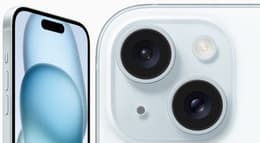
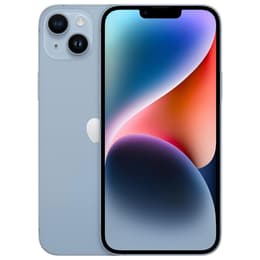
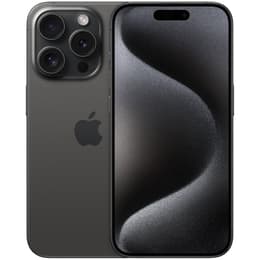
The iPhone 14 Plus, released in October 2022, and the iPhone 15 Pro, launched in September 2023, represent different tiers within Apple's smartphone lineup. While both devices operate on Apple's iOS platform, the iPhone 15 Pro introduces a more advanced processor, a refined camera system, and a redesigned exterior, setting it apart from its larger, more accessible predecessor.
Colour
Storage
When considering the practical lifespan of these devices, several factors come into play, including their release timelines, software support, and physical construction.
Year of Release
The internal components of a smartphone significantly influence its responsiveness and capability to handle demanding applications.
The display is a primary interface for smartphone interaction, and both models offer high-quality viewing experiences with distinct characteristics.
Photography and videography capabilities are key considerations for many users, and both iPhones offer advanced camera systems with notable differences.
Beyond core performance and display, several practical elements contribute to the overall user experience.
Screen size (in)
Network
SIM card
Carrier compatibility
Connector
The iPhone 14 Plus and iPhone 15 Pro cater to different user needs, each offering a compelling set of features. Users frequently praise the iPhone 14 Plus for its extended battery life and large display, making it well-suited for media consumption and users who prioritize screen real estate and endurance throughout the day. Some users note that while its camera system is capable, it lacks some of the advanced features found in the Pro models.
The iPhone 15 Pro, on the other hand, is often lauded for its powerful processing capabilities, advanced camera system with enhanced zoom and low-light performance, and the versatile Action Button. Its ProMotion display provides a noticeably smoother visual experience. However, some users might find its smaller screen size less immersive for certain activities compared to the Plus model. The transition to USB-C is generally seen as a positive for its universal compatibility and faster data transfer.
Users prioritizing a larger display and exceptional battery life for general use and media consumption may find the iPhone 14 Plus to be a suitable choice. Those who require top-tier performance for demanding applications, advanced photography and videography features, a smoother display, and the latest connectivity options will likely lean towards the iPhone 15 Pro. Both devices are available as quality-assured refurbished options, providing a sustainable choice for consumers.