
Compare models
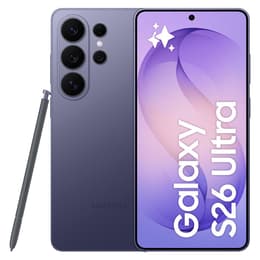
Galaxy A55 Vs Galaxy S26 Ultra
- 1-year minimum warranty
- Free delivery on all orders
- Free 30-day returns
Differences at a glance
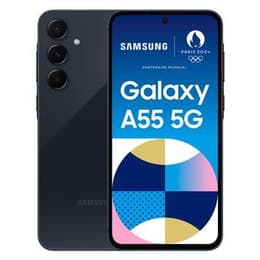
The Samsung Galaxy A55 (2024) and the Samsung Galaxy S26 Ultra (2026) represent different tiers within Samsung's smartphone lineup, addressing distinct user expectations and functional priorities. While both run on the Android operating system with Samsung's customized interface, they differ significantly in processing power, materials, and overall hardware sophistication.
This comparison outlines how these structural variances translate into daily use, helping individuals determine which device fits their personal routines.
Available Models
Colour
Storage
Scores
Durability
Both smartphones offer robust build qualities and multi-year software maintenance plans, though their long-term viability schedules differ based on release timelines.
- Software Support Duration: The Galaxy S26 Ultra benefits from an extended software update schedule running up to seven major operating system upgrades, whereas the Galaxy A55 provides a shorter, standard multi-year update window typical of its tier.
- Build Integrity: Both models feature durable glass panels and strong frame constructions designed to resist daily wear, with standard dust and water resistance ratings.
- Expected Lifespan: Users seeking maximum software longevity and future readiness will find the newer flagship offers extended relevancy, while the Galaxy A55 provides dependable day-to-day durability for standard usage cycles.
Year of Release
2024
2026
Compatible with latest Update
Yes
Yes
OS
Android
Android
Foldable
No
No
Performance
System responsiveness and hardware capabilities vary noticeably, shaping how each device handles intensive workflows and everyday multitasking.
- Multitasking and App Handling: The Galaxy S26 Ultra manages heavy applications, high-end mobile gaming, and intensive background tasks with swift execution, backed by generous random access memory configurations. The Galaxy A55 handles standard web browsing, messaging, and casual applications smoothly, though demanding tasks load at a more measured pace.
- Storage Configurations: Both devices offer ample internal storage capacity for media files and applications, while the Galaxy A55 uniquely includes expandable storage via a microSD card slot.
- Battery Behavior: Both smartphones pack large battery capacities designed to last through a standard day of mixed use, though power efficiency management varies under heavy processing loads.
Screen quality
Display technology and viewing dimensions differ between the two models, impacting media consumption and outdoor visibility.
- Display Technology: Both devices use vibrant organic light-emitting diode panels with high refresh rates, ensuring smooth scrolling through web pages and fluid animations.
- Peak Brightness and Clarity: The Galaxy S26 Ultra incorporates advanced anti-reflective coatings and higher peak brightness levels for clear outdoor readability under direct sunlight, while the Galaxy A55 offers comfortable indoor and moderate outdoor viewing clarity.
- Screen Size: The Galaxy S26 Ultra provides a wider viewing workspace with slim bezels, whereas the Galaxy A55 features a slightly more compact footprint that remains comfortable for one-handed operation.
Resolution
1080 x 2340
1440 x 3120
Audiovisual
Photography and audio-visual output diverge significantly, reflecting the specialized hardware differences between a mainstream device and a top-tier flagship.
- Camera Versatility: The Galaxy S26 Ultra features a versatile multi-lens rear array including high-resolution sensors and advanced optical zoom capabilities for distant subjects. The Galaxy A55 relies on a dependable triple-lens configuration that captures clear everyday photos and steady landscape shots.
- Low-Light and Video: The flagship model incorporates sophisticated image stabilization and low-light processing for detailed night photography and high-framerate video recording, while the mid-range alternative delivers reliable results in well-lit environments.
- Media and Audio Output: Both devices include stereo speakers suitable for hands-free calls and casual video playback, with the flagship offering deeper acoustic richness.
Front camera
32 megapixels
12.0
Miscellaneous
Practical everyday features, physical dimensions, and connectivity standards dictate how each phone feels in daily handling.
- Connectivity and Ports: Both models support current 5G networks, fast Wi-Fi standards, and Bluetooth pairing, utilizing reversible USB Type-C ports for charging and data transfer.
- Security Sensors: Both devices utilize secure biometric authentication methods, including responsive under-display fingerprint sensors and facial recognition options.
- Handling and Weight: The Galaxy A55 features a slightly heavier glass and metal build, whereas the Galaxy S26 Ultra balances a larger screen size with refined ergonomic proportions.
Weight
213 g
214 g
Screen size (in)
6.6
6.9
Network
5G
5G
SIM card
Physical SIM
Physical SIM + eSIM
Carrier compatibility
Unlocked
Unlocked
Connector
USB-C
USB-C
What the community thinks
User discussions across public technology forums highlight distinct patterns of praise and common considerations for both smartphones. Owners of the Galaxy A55 frequently commend its reliable daily battery endurance, clean design language, and the practical inclusion of expandable storage. Conversely, users of the Galaxy S26 Ultra consistently praise its expansive, high-clarity display, extensive zoom capabilities, and rapid processing speeds. Frequent criticisms for the mid-range model center on modest low-light photography limits, while discussions regarding the flagship occasionally note its larger physical footprint and heavier profile.
Users prioritizing productivity tools, advanced photographic zoom, and long-term software support may lean toward the Galaxy S26 Ultra. Meanwhile, users seeking a dependable, straightforward smartphone for essential daily tasks will find the Galaxy A55 well-suited to their needs. Exploring a quality-assured refurbished option provides an eco-friendly alternative for acquiring either device while supporting sustainable consumption habits.