
iPhone 16 Pro Vs Xiaomi Redmi Note 14 Pro

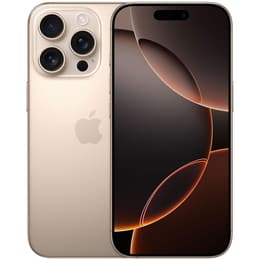
iPhone 16 Pro
iPhone 16 Pro
Starting at

Refurbished price:645.00

Versus €1,239.00 new

See options
Xiaomi Redmi Note 14 Pro
Starting at

Refurbished price:260.77

Versus €349.99 new

See options

Ratings

The iPhone 16 Pro, released in September 2024, and the Xiaomi Redmi Note 14 Pro, which saw a global launch in January 2025, represent distinct approaches to smartphone design and functionality. While the iPhone 16 Pro operates on Apple's iOS ecosystem, the Redmi Note 14 Pro runs on Android, offering users different software experiences. Key differentiators between these two devices include their core processing power, camera system philosophies, and display technologies, catering to varied user preferences.

Scores

Durability

When considering the long-term usability of these devices, their release timelines and software support policies play a significant role.

  • Release Timeline: The iPhone 16 Pro was introduced in September 2024, while the Xiaomi Redmi Note 14 Pro became globally available in January 2025. This difference in launch dates means the iPhone 16 Pro has been on the market slightly longer.
  • Software Longevity: Apple typically provides major iOS updates for approximately five to seven years, with security patches often extending beyond this period, ensuring a prolonged software lifespan for the iPhone 16 Pro. Xiaomi has recently committed to offering up to four major Android OS upgrades and six years of security updates for many of its devices, including some Redmi Note models, though specific support for the Redmi Note 14 Pro has also been cited as three years of OS updates and four years of security updates.
  • Build Durability: The iPhone 16 Pro features a titanium frame and Ceramic Shield front, contributing to its robust construction and IP68 water and dust resistance. The Redmi Note 14 Pro incorporates Corning Gorilla Glass Victus 2 for screen protection and a middle frame made from high-strength aluminum and composite materials, offering IP64 splash and dust resistance.

Year of Release

2024

2025

Foldable

No

No

Performance

The performance of a smartphone is central to the user experience, influencing everything from app responsiveness to gaming capabilities.

  • Processing Power: The iPhone 16 Pro is equipped with Apple's A18 Pro chip, designed for efficient handling of demanding applications, complex multitasking, and advanced on-device artificial intelligence features. The Xiaomi Redmi Note 14 Pro typically utilizes a MediaTek Dimensity 7300 Ultra processor, which provides capable performance for everyday tasks, smooth navigation, and moderate gaming. Some variants of the Redmi Note 14 Pro may feature a Snapdragon 7s Gen 3 chipset.
  • System Responsiveness: Users of the iPhone 16 Pro can expect consistently fluid interactions and rapid app loading, benefiting from the tight integration between its hardware and software. The Redmi Note 14 Pro offers a responsive experience for general use, with its processor and optimized software ensuring smooth operation across most applications.
  • Multitasking and Storage: Both devices offer various internal storage configurations. The iPhone 16 Pro's optimized memory management allows for efficient multitasking, even with less physical RAM compared to some Android counterparts. The Redmi Note 14 Pro often comes with higher RAM configurations, which can contribute to its ability to manage multiple applications simultaneously.

Memory (GB)

8 GB

8 GB

Screen quality

The display is a primary interface for users, and both devices offer distinct visual experiences.

  • Display Technology and Size: The iPhone 16 Pro features a 6.3-inch OLED display, known for its deep blacks and vibrant color reproduction. The Xiaomi Redmi Note 14 Pro comes with a larger 6.67-inch AMOLED display, providing an expansive viewing area.
  • Resolution and Clarity: The iPhone 16 Pro offers a high-resolution display, delivering sharp text and detailed images. The Redmi Note 14 Pro features a 1.5K resolution, which also provides a clear and detailed visual experience for media consumption and daily tasks.
  • Brightness and Smoothness: The iPhone 16 Pro's display can reach a peak brightness of 2000 nits for outdoor visibility and supports ProMotion technology for adaptive refresh rates up to 120Hz, ensuring smooth scrolling and animations. The Redmi Note 14 Pro boasts a peak brightness of up to 2500 nits and a 120Hz refresh rate, contributing to a bright and fluid visual experience, particularly in well-lit environments.

Resolution

1206 x 2622

1080x2400

Audiovisual

Camera capabilities are a significant factor for many users, and both smartphones offer advanced imaging systems.

  • Rear Camera System: The iPhone 16 Pro features a versatile triple-camera system, including a 48MP main sensor, a 48MP ultra-wide lens, and a 5x telephoto lens, designed for high-quality photography across various scenarios. The Xiaomi Redmi Note 14 Pro typically includes a triple camera setup with a 50MP main sensor, an 8MP ultra-wide, and a 2MP macro lens, with some variants potentially featuring a 200MP main sensor.
  • Photography Performance: The iPhone 16 Pro excels in computational photography, offering strong low-light performance, detailed images, and advanced video recording features like 4K at 120 frames per second. The Redmi Note 14 Pro aims for improved image quality and low-light performance with its main sensor, providing good results for everyday photography.
  • Front Camera and Features: The iPhone 16 Pro includes a high-resolution front camera with advanced features for selfies and video calls. The Redmi Note 14 Pro is equipped with a 20MP front camera, capable of capturing detailed self-portraits. The iPhone 16 Pro also introduces a new Camera Control button for enhanced photographic control.

Front camera

12 megapixels

32 MP

Miscellaneous

Beyond the core features, several practical elements contribute to the overall user experience of these devices.

  • Connectivity and Ports: The iPhone 16 Pro supports Wi-Fi 7 and features a USB-C port for charging and data transfer. The Xiaomi Redmi Note 14 Pro offers 5G connectivity, Wi-Fi 5 (802.11a/b/g/n/ac), and also uses a USB Type-C port.
  • Biometrics and Sensors: The iPhone 16 Pro relies on Face ID for secure facial recognition. The Redmi Note 14 Pro typically features an in-display fingerprint sensor for biometric authentication, alongside face unlock capabilities.
  • Design and Handling: The iPhone 16 Pro utilizes a titanium frame, contributing to a premium feel and a balance of durability and weight. The Redmi Note 14 Pro features a combination of high-strength aluminum and composite materials for its frame and battery cover, with a design that often includes a curved display. The iPhone 16 Pro is slightly larger and heavier than its predecessor, while the Redmi Note 14 Pro maintains a manageable weight for its size.

Weight

199 g

180 g

Screen size (in)

6.3

6.67

Network

5G

4G

SIM card

eSIM

Dual Physical SIM

Carrier compatibility

Unlocked

Unlocked

Choosing between the iPhone 16 Pro and the Xiaomi Redmi Note 14 Pro involves weighing different priorities and ecosystem preferences. Users often praise the iPhone 16 Pro for its consistent performance, long-term software support, and advanced camera capabilities, particularly its video recording features and computational photography. Some common feedback for the iPhone Pro series includes its premium build and seamless integration within the Apple ecosystem.

Conversely, the Xiaomi Redmi Note 14 Pro is frequently lauded for its expansive and bright AMOLED display, large battery capacity with fast charging, and competitive specifications within its segment. Users appreciate the flexibility offered by the Android operating system and the customization options available. Potential considerations for the Redmi Note series can sometimes revolve around the consistency of software updates compared to Apple's longer commitment, though Xiaomi has been improving its update policy.

Users prioritizing a highly optimized software experience, extended software longevity, and a sophisticated camera system with strong video capabilities may find the iPhone 16 Pro well-suited to their needs. Those who value a larger, very bright display, faster charging, and the open nature of the Android ecosystem, often with more accessible hardware specifications, may lean toward the Xiaomi Redmi Note 14 Pro. Both devices offer compelling features, and for those seeking an eco-friendly alternative, quality-assured refurbished options for both models can provide a sustainable choice.


See all articles

Our recent comparisons