
iPhone

Compare models
Differences at a glance
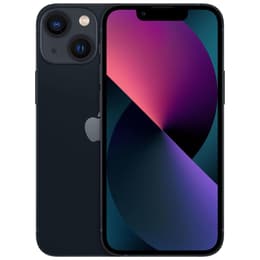
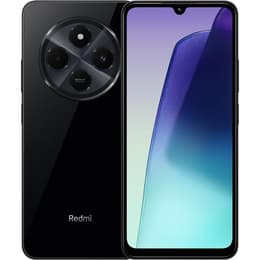
The iPhone 13 Mini, released in September 2021, and the Xiaomi Redmi 14C, launched in August 2024, represent distinct approaches to smartphone design and functionality. While the iPhone 13 Mini offers a compact form factor with Apple's iOS ecosystem, the Redmi 14C provides a larger display and an Android experience with Xiaomi's HyperOS. These devices cater to different user preferences, primarily differing in their size, operating system, and core hardware focus.
Colour
Storage
The practical lifespan of a smartphone is influenced by its release date, software support, and physical resilience. These two devices offer different timelines and durability features.
Year of Release
Compatible with latest Update
OS
Foldable
Performance in smartphones is determined by the interplay of processing power, memory, and storage, affecting how smoothly applications run and how efficiently tasks are handled.
The display is a primary interface for smartphone interaction, with technology, resolution, and brightness significantly impacting the visual experience.
Resolution
Screen type
Camera systems are central to modern smartphones, with differences in sensor capabilities, software features, and lens configurations influencing photographic and videographic output.
Main camera
Front camera
Beyond core specifications, various practical features contribute to the overall user experience, from connectivity to physical design.
Weight
Screen size (in)
Network
SIM card
Carrier compatibility
The iPhone 13 Mini and the Xiaomi Redmi 14C cater to distinct user needs, primarily differentiated by their size, operating system, and performance tiers. Users often praise the iPhone 13 Mini for its powerful performance in a compact form factor, its excellent camera capabilities, and Apple's long-term software support. However, its smaller screen size can be a drawback for media consumption or extensive typing, and its battery life, while improved over its predecessor, may not satisfy heavy users.
The Xiaomi Redmi 14C is frequently noted for its large display, high refresh rate, and extended battery life, making it suitable for users who prioritize screen real estate and prolonged usage. Criticisms sometimes point to its more modest processing power, which can lead to minor stutters with demanding applications, and its camera performance in challenging lighting conditions.
Users prioritizing a highly portable device with top-tier performance and advanced camera features within the iOS ecosystem may find the iPhone 13 Mini well-suited to their needs. Conversely, users who value a larger screen for media, a high refresh rate for smoother visuals, and extended battery life within the Android ecosystem might lean towards the Xiaomi Redmi 14C. Both devices offer a viable path to smartphone ownership, and considering a quality-assured refurbished option can be an eco-friendly alternative for either model, providing access to these features while supporting sustainable consumption.