
iPhone

Compare models
Differences at a glance
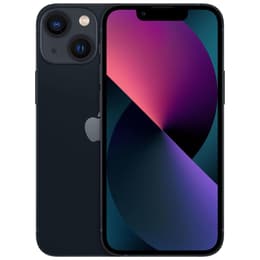
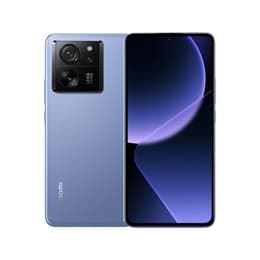
The iPhone 13 Mini, released in September 2021, is a compact smartphone running on Apple's iOS ecosystem. In contrast, the Xiaomi 13T, launched in September 2023, is an Android-based device offering a larger display and a different approach to camera technology. These two phones cater to distinct user preferences, primarily differing in their physical size, operating system experience, and display characteristics.
Colour
Storage
When considering the long-term usability of these devices, several factors come into play, including their release timelines, software support, and physical resilience.
Year of Release
Compatible with latest Update
OS
Foldable
The performance of a smartphone is crucial for daily tasks, from navigating applications to engaging in demanding activities like gaming. Both devices offer capable internal components designed for smooth operation.
The visual experience is a primary interaction point for any smartphone, and both the iPhone 13 Mini and Xiaomi 13T offer high-quality displays, albeit with different characteristics.
Resolution
Screen type
Both smartphones offer capable camera systems designed to capture moments with clarity and detail, though they approach imaging with different philosophies and features.
Main camera
Front camera
Beyond core performance and display, several practical elements contribute to the overall user experience and daily convenience of these smartphones.
Weight
Screen size (in)
Network
SIM card
Carrier compatibility
Connector
The iPhone 13 Mini and Xiaomi 13T offer distinct experiences tailored to different user priorities. The iPhone 13 Mini is frequently praised by users for its exceptionally compact size, making it comfortable for one-handed operation and easy to carry. Its camera system is generally well-regarded for producing consistent, high-quality photos and videos, particularly in everyday scenarios. Common criticisms from users often revolve around its battery life, which, while improved over its predecessor, can still be a limiting factor for heavy users. Some users also note the 4GB of RAM can lead to app refreshes during intensive multitasking, and the Lightning port is seen as a drawback compared to the more widely adopted USB-C.
Conversely, the Xiaomi 13T receives positive feedback for its vibrant and smooth 144Hz AMOLED display, which enhances the viewing and scrolling experience. Its camera system, co-engineered with Leica, is often highlighted for its versatility and image quality, especially the main sensor. Users also appreciate the larger battery capacity and fast charging capabilities. However, some users have reported instances of the device warming up during demanding tasks like gaming, and occasional software glitches such as scrolling lag have been mentioned. The front camera's performance for selfies has also been a point of mixed feedback.
Users prioritizing a highly portable device with a premium build and a consistent software experience may find the iPhone 13 Mini well-suited to their needs. Those who value a larger, high-refresh-rate display, longer battery life, faster charging, and a versatile camera system with extensive software support might lean towards the Xiaomi 13T. Both devices represent solid choices in their respective categories, and considering a quality-assured refurbished option can be an eco-friendly alternative for either model.