
iPhone

Compare models
Differences at a glance
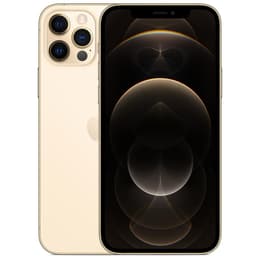
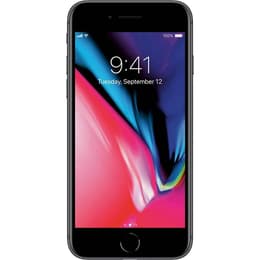
The iPhone 12 Pro, released in October 2020, and the iPhone 8, launched in September 2017, represent different eras in Apple's smartphone development. While both devices offer the familiar iOS experience, the iPhone 12 Pro introduces significant advancements in display technology, camera capabilities, and overall performance, reflecting its newer generation. The iPhone 8, on the other hand, provides a more compact form factor and a traditional design.
Colour
Storage
When considering the longevity of these devices, several factors come into play, including their release timelines, software support, and physical durability.
Year of Release
Performance is a key differentiator, with the newer iPhone 12 Pro offering a more capable experience across various tasks.
The visual experience differs significantly between these two models, primarily due to advancements in display technology.
The camera systems represent one of the most substantial upgrades in the iPhone 12 Pro compared to the iPhone 8.
Beyond core performance and display, several practical elements differentiate these two iPhone models.
Screen size (in)
Network
SIM card
Carrier compatibility
Connector
The iPhone 12 Pro and iPhone 8 cater to different user needs and expectations, largely due to the technological advancements made between their respective release years.
Users often praise the iPhone 12 Pro for its advanced camera system, particularly its low-light performance and versatility with multiple lenses. The vibrant OLED display and the inclusion of 5G connectivity are also frequently highlighted as significant advantages. Some users, however, note that while battery life is good, it might not be exceptional for very heavy use, and the device's weight can be a factor for some. The iPhone 8, on the other hand, was well-regarded for its compact size and the reliability of Touch ID. Its main criticisms in current contexts revolve around its aging processor, which can struggle with modern demanding applications, and its limited software update lifespan, which has now concluded for major iOS versions.
Users prioritizing a cutting-edge camera, a larger and more immersive display, and future-proof connectivity with 5G will find the iPhone 12 Pro well-suited to their needs. It offers a more robust performance for demanding tasks and a longer runway for software support. Conversely, users who prefer a smaller form factor, the familiarity of Touch ID, and primarily use their phone for lighter tasks like communication and basic browsing might still find the iPhone 8 functional, though its capabilities are increasingly limited by its age. For those seeking a balance of performance and sustainability, considering a quality-assured refurbished option for either model can be an eco-friendly alternative.