

Compare models
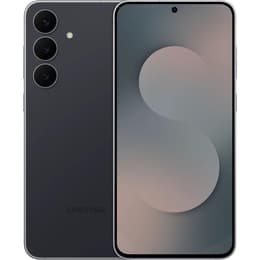
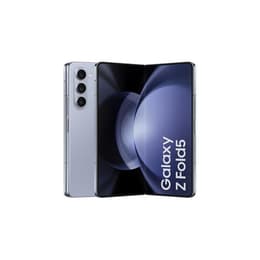
Galaxy S25 FE Vs Galaxy Z Fold5
- 1-year minimum warranty
- Free delivery on all orders
- Free 30-day returns
Differences at a glance
The Samsung Galaxy S25 FE (2025) and the Samsung Galaxy Z Fold5 (2023) represent two distinct approaches to modern mobile engineering within Samsung's ecosystem. While the Galaxy S25 FE delivers a traditional, streamlined smartphone experience with contemporary hardware, the Galaxy Z Fold5 introduces an innovative foldable design that transforms from a standard outer screen into a tablet-sized inner display. Both devices run on the Android operating system paired with Samsung's custom interface, providing access to extensive software features, though they target entirely different structural and functional user preferences.
Available Models
Colour
Storage (GB)
Scores
Durability
When evaluating structural longevity and software support, both devices offer distinct timelines influenced by their respective release years and engineering designs.
- Release timeline and updates: The Galaxy S25 FE benefits from a newer 2025 launch, securing a longer window of future software updates and security patches compared to the Galaxy Z Fold5, which debuted in 2023.
- Hardware resilience: The Galaxy S25 FE features a traditional slab structure with robust glass panels, whereas the Galaxy Z Fold5 incorporates complex mechanical hinge components and a flexible inner screen that require careful handling over years of daily folding and unfolding.
- Expected lifespan: Both models provide reliable long-term usability, though standard slate devices like the S25 FE generally present fewer mechanical wear points over extended operational cycles.
Year of Release
2025
2023
Compatible with latest Update
Yes
Yes
OS
Android
Android
Foldable
No
Yes
Performance
Underneath the exterior, both devices manage multitasking, demanding applications, and daily workflows through capable internal hardware configurations.
- System responsiveness: Both smartphones handle resource-heavy applications, rapid app switching, and sustained multitasking smoothly, ensuring a fluid user experience without stuttering during intense workflows.
- Battery behavior: The Galaxy S25 FE accommodates a large single-cell battery that comfortably lasts through a full day of mixed usage, while the Galaxy Z Fold5 divides power across dual display environments, meaning intensive use of the large inner screen results in more frequent charging.
- Storage configurations: Both models offer ample internal storage variants paired with generous memory capacities to keep background processes active and responsive.
Screen quality
Visual output is a primary differentiator, contrasting a conventional single-panel layout against a dual-screen transforming mechanism.
- Display technology: The Galaxy S25 FE utilizes a flat, vibrant OLED panel with consistent brightness and deep contrast, whereas the Galaxy Z Fold5 features a dual-screen setup comprising a narrow cover display and a expansive foldable inner OLED screen designed for immersive media consumption.
- Outdoor visibility: Both screens reach high peak brightness levels, ensuring clear legibility and sharp text rendering even under direct sunlight or bright outdoor environments.
- Refresh rate and smoothness: Both devices support fluid 120 Hz refresh rates, delivering seamless scrolling animations and responsive touch interactions across all operational tasks.
Audiovisual
Optics and multimedia performance vary based on physical housing constraints and integrated sensor arrays on both devices.
- Camera versatility: Both models feature triple rear camera configurations, including main, ultra-wide, and telephoto lenses, capturing detailed daytime photos, crisp low-light imagery, and steady high-resolution video recordings.
- Media consumption: The Galaxy Z Fold5 provides a distinct advantage for video playback and document viewing due to its tablet-sized inner canvas, while the Galaxy S25 FE offers a conventional, comfortable widescreen aspect ratio for media viewing.
- Audio output: Stereo speakers on both devices deliver balanced sound clarity and adequate volume levels for hands-free calls, podcasts, and casual video streaming.
Miscellaneous
Practical daily usability elements, physical dimensions, and connectivity standards shape how each smartphone integrates into everyday routines.
- Portability and handling: The Galaxy S25 FE features a lightweight, slim profile weighing 190 grams that rests easily in one hand or pockets, while the Galaxy Z Fold5 carries a heavier, thicker footprint at 253 grams due to its folding architecture and hinge mechanism.
- Connectivity and ports: Both devices support modern 5G networks, fast Wi-Fi standards, and reliable Bluetooth pairing, utilizing reversible USB Type-C ports for charging and data transfer.
- Security sensors: Each model incorporates biometric authentication through responsive fingerprint sensors and facial recognition options for secure, quick device unlocking.
Weight
190 g
253 g
Screen size (in)
6.7
7.6
Network
5G
5G
SIM card
Physical SIM + eSIM
Dual Physical SIM + eSIM
Carrier compatibility
Unlocked
Unlocked
What the community thinks
User feedback highlights distinct preferences for each device across community discussions. Owners of the Galaxy S25 FE frequently praise its reliable daily battery endurance, comfortable weight distribution, and straightforward traditional form factor. Conversely, users of the Galaxy Z Fold5 heavily favor the expansive inner screen for multitasking, productivity, and immersive media viewing, though some note the heavier weight and visible crease on the folding display as trade-offs.
Users prioritizing a lightweight, traditional smartphone design with extended software longevity will find the Galaxy S25 FE well-suited to their daily routines. Meanwhile, users who value multitasking, a transforming tablet-sized display, and advanced productivity features on the go may lean toward the Galaxy Z Fold5. For those exploring sustainable purchasing routes, choosing a quality-assured refurbished option provides an eco-friendly alternative that extends device life cycles without compromising on performance standards.