

Google Pixel 9 Pro Vs iPhone 13 Pro Max

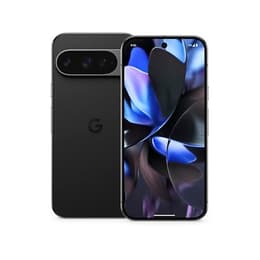
Google Pixel 9 Pro
Google Pixel 9 Pro
Starting at

Refurbished price:484.00

Versus €1,099.00 new

See options
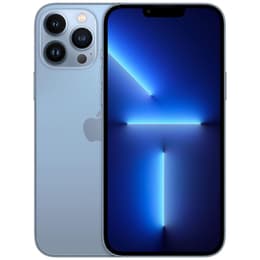
iPhone 13 Pro Max
iPhone 13 Pro Max
Starting at

Refurbished price:372.00

Versus €1,249.00 new

See options

Ratings

The Google Pixel 9 Pro, released in late 2024, and the iPhone 13 Pro Max, launched in September 2021, represent distinct approaches to high-end smartphones from their respective manufacturers. While both devices offer premium experiences, the Pixel 9 Pro emphasizes advanced computational photography and artificial intelligence features, running on the Android operating system. The iPhone 13 Pro Max, on the other hand, provides a robust iOS experience with a focus on integrated hardware and software performance, and a strong camera system for its generation. The primary differentiators lie in their operating systems, release timelines, and their unique strengths in camera technology and software.

Scores

Durability

The longevity of a smartphone is influenced by its release timeline, software support, and physical durability. The Pixel 9 Pro, being a much newer device, benefits from a significantly longer period of guaranteed software updates compared to the iPhone 13 Pro Max.

  • Software Support: The Google Pixel 9 Pro, released in late 2024, is expected to receive software updates for seven years, extending its functional lifespan well into the future. The iPhone 13 Pro Max, released in September 2021, typically receives iOS updates for about 5-6 years from its launch, meaning its software support will conclude sooner than the Pixel 9 Pro.
  • Physical Durability: Both devices feature premium build materials and IP68 water and dust resistance, offering good protection against everyday elements. The iPhone 13 Pro Max incorporates a Ceramic Shield front cover, designed for enhanced drop performance.
  • Expected Lifespan: Users prioritizing the longest possible software support and access to the latest operating system features will find the Pixel 9 Pro to have a longer practical lifespan due to its more recent release and extended update commitment.

Year of Release

2024

2021

Compatible with latest Update

Yes

Yes

OS

Android

iOS

Foldable

No

No

Performance

Performance in both the Google Pixel 9 Pro and the iPhone 13 Pro Max is optimized for their respective operating systems, offering smooth operation for most users, though their underlying architectures differ.

  • Processing Capabilities: The Pixel 9 Pro is powered by Google's latest Tensor G4 chip, which is designed for efficient handling of AI-driven tasks and provides robust performance for demanding applications and multitasking. The iPhone 13 Pro Max features the A15 Bionic chip, which, while from an earlier generation, still delivers strong performance for gaming, video editing, and general daily use.
  • Battery Behavior: The iPhone 13 Pro Max is renowned for its exceptional battery life, often providing up to two days of use for many users due to its large battery capacity and efficient hardware-software integration. The Pixel 9 Pro also offers long battery life, with users reporting it can comfortably last a full day, even with heavy usage, and in some tests, it has shown impressive endurance.
  • System Responsiveness: Both devices offer a highly responsive user experience. The Pixel 9 Pro's newer processor and optimized Android OS ensure quick app loading and fluid navigation, while the iPhone 13 Pro Max's A15 Bionic chip and iOS provide a consistently smooth and immediate feel across the system.

Memory (GB)

16 GB

6 GB

Screen quality

Both the Google Pixel 9 Pro and the iPhone 13 Pro Max offer high-quality displays, but they present differences in their specifications and viewing experiences.

  • Display Technology and Clarity: The iPhone 13 Pro Max features a 6.7-inch Super Retina XDR OLED display with a resolution of 2778 x 1284 pixels, resulting in sharp visuals and deep blacks. The Pixel 9 Pro comes with a 6.3-inch LTPO OLED display, offering a resolution of 2856 x 1280 pixels, providing excellent clarity and vibrant colors.
  • Brightness and Refresh Rate: The iPhone 13 Pro Max's display can reach a typical brightness of 1000 nits and a peak of 1200 nits for HDR content, making it highly visible outdoors. It also features ProMotion technology, offering an adaptive refresh rate from 10Hz to 120Hz for smooth scrolling and responsive interactions. The Pixel 9 Pro's LTPO OLED display also supports an adaptive refresh rate up to 120Hz and boasts a peak brightness of 2000 nits, enhancing visibility in bright conditions.
  • Viewing Experience: The larger screen of the iPhone 13 Pro Max provides an expansive canvas for media consumption and multitasking. The Pixel 9 Pro offers a slightly smaller, yet still immersive, display experience with its high brightness and adaptive refresh rate.

Resolution

1280 x 2856

1284 x 2778

Screen type

LTPO OLED

Super Retina XDR OLED

Audiovisual

Both the Google Pixel 9 Pro and the iPhone 13 Pro Max are recognized for their advanced camera systems, each excelling in different aspects of mobile photography and videography.

  • Camera System Configuration: The Pixel 9 Pro features a triple rear camera system, typically including a 50MP main sensor, a 48MP ultrawide lens with macro focus, and a 48MP 5x telephoto lens. It also has a 42MP front-facing camera with autofocus. The iPhone 13 Pro Max also has a triple 12MP camera system, comprising wide, ultrawide, and telephoto lenses, with a 3x optical zoom. Its front camera is a 12MP TrueDepth sensor.
  • Photography Performance: The Pixel 9 Pro leverages Google's computational photography and AI features for enhanced image processing, excelling in areas like Night Sight, Super Res Zoom, and new AI editing capabilities. The iPhone 13 Pro Max offers strong low-light performance with larger sensors and wider apertures, and features like Cinematic Mode for video and macro photography.
  • Video Recording Quality: The Pixel 9 Pro supports up to 8K video recording with Video Boost, and 4K as standard, along with AI enhancements for video. The iPhone 13 Pro Max records HDR video with Dolby Vision up to 4K at 60 fps and supports ProRes video recording for professional workflows.

Main camera

50 megapixels

12 megapixels

Front camera

42 megapixels

12 megapixels

Miscellaneous

Beyond core performance, several practical elements differentiate the Google Pixel 9 Pro and the iPhone 13 Pro Max, impacting daily usability and user preference.

  • Connectivity and Ports: The Pixel 9 Pro supports the latest Wi-Fi 7 and Bluetooth 5.3 standards, along with 5G connectivity, and features a USB-C port for charging and data transfer. The iPhone 13 Pro Max supports Wi-Fi 6 and Bluetooth 5.0, offers 5G connectivity, and uses Apple's proprietary Lightning port.
  • Biometric Security: The Pixel 9 Pro includes an in-display fingerprint sensor and Face Unlock for secure authentication. The iPhone 13 Pro Max relies on Face ID, Apple's facial recognition system.
  • Dimensions and Handling: The iPhone 13 Pro Max is a larger and heavier device, weighing 240 grams with dimensions of 160.8 x 78.1 x 7.65 mm, which some users find substantial. The Pixel 9 Pro is slightly more compact and lighter at 199 grams and 152.8 x 72.0 x 8.5 mm, potentially offering easier one-handed use for some.

Weight

199 g

238 g

Screen size (in)

6.3

6.7

Network

5G

5G

SIM card

Physical SIM + eSIM

Physical SIM + eSIM

Carrier compatibility

Unlocked

Unlocked

Connector

USB-C

Lightning

The Google Pixel 9 Pro and the iPhone 13 Pro Max cater to different user priorities, reflecting their distinct ecosystems and release timelines. Users frequently praise the iPhone 13 Pro Max for its exceptional battery life, often lasting up to two days, and its consistently smooth performance. Its display is also highly regarded for its brightness and adaptive refresh rate. Some common criticisms include its considerable weight and size, which can make one-handed use challenging, and the presence of a notch. Despite its age, many users still find the iPhone 13 Pro Max to be a highly capable device, with some Reddit users noting its continued strong performance and battery life even years after its release.

The Pixel 9 Pro, as a newer device, is lauded for its cutting-edge AI features, advanced computational photography, and a long software support commitment. Users appreciate its strong camera system, particularly for its AI-driven enhancements and improved low-light capabilities. Its battery life is also considered robust, comfortably lasting a full day for most users. While specific long-term user sentiment is still developing due to its recent release, initial impressions highlight its innovative software and camera prowess.

Users prioritizing the latest software innovations, advanced AI capabilities, and a longer period of guaranteed updates may find the Google Pixel 9 Pro to be a more suitable choice. Conversely, those who value a proven, highly optimized ecosystem with exceptional battery endurance and a robust camera system, and are comfortable with the iOS platform, might lean towards the iPhone 13 Pro Max. Both devices offer premium experiences, and choosing between them often comes down to a preference for Android versus iOS, and the emphasis on cutting-edge AI versus established, refined performance. For those considering either device, exploring quality-assured refurbished options can provide an eco-friendly alternative to extend the life cycle of these powerful smartphones.


See all articles

Our recent comparisons






