

Huawei P30 Pro Vs iPhone SE (2020)

Huawei P30 Pro
Huawei P30 Pro
Starting at

Refurbished price:186.00

Versus €849.00 new

See options
iPhone SE (2020)
iPhone SE (2020)
Starting at

Refurbished price:102.00

Versus €319.00 new

See options

Ratings

The Huawei P30 Pro, released in March 2019, and the iPhone SE 2020, launched in April 2020, are two distinct smartphones from different ecosystems. While the P30 Pro arrived as a flagship Android device known for its advanced camera system and large display, the iPhone SE 2020 offered a compact iOS experience with a powerful internal processor in a familiar design. These differences cater to users with varying preferences for operating systems, screen size, and photographic capabilities.

Scores

Durability

When considering the long-term usability of these devices, their release timelines and software support policies are key factors. The Huawei P30 Pro, launched in early 2019, initially ran Android 9.0 Pie with EMUI 9.1 and has received updates up to EMUI 12 globally, and HarmonyOS 4 in China. Huawei's update policy can be less predictable compared to Apple's. The iPhone SE 2020, released a year later in April 2020, started with iOS 13.4 and continues to receive major iOS updates, with expectations for support extending typically 5 to 7 years from its release, and security patches for a few more years beyond that.

  • Software Longevity: The iPhone SE 2020 generally offers a longer and more consistent software update cycle, benefiting from Apple's extended support for its devices, which can last up to 6 years or more for major iOS versions. The Huawei P30 Pro's global software support has been less consistent, though Chinese models have seen updates to HarmonyOS 4.
  • Repairability: The iPhone SE 2020 received a repairability score of 6 out of 10 from iFixit, noting that common components like the display and battery are relatively straightforward to replace. In contrast, the Huawei P30 Pro scored 4 out of 10, with iFixit highlighting its complex internal design and heavy use of glue, making repairs more challenging and potentially costly.
  • Practical Lifespan: Users prioritizing consistent and long-term software updates for security and new features may find the iPhone SE 2020 to offer a more predictable practical lifespan. The P30 Pro, while still functional, may see diminishing software feature updates for global users sooner.

Year of Release

2019

2020

Compatible with latest Update

No

Yes

OS

Android

iOS

Foldable

No

No

Performance

The performance of a smartphone is crucial for daily tasks, app usage, and multitasking. Both devices were equipped with powerful processors for their respective release years, offering smooth operation for most users.

  • System Responsiveness: The iPhone SE 2020, with its advanced internal processor, handles demanding applications and multitasking with notable fluidity, ensuring a responsive user experience for current and future software. The Huawei P30 Pro, powered by its own flagship processor, also delivers a fast and smooth experience, capable of handling intensive gaming and applications without noticeable lag.
  • Storage Options: The iPhone SE 2020 is available with 64 GB, 128 GB, or 256 GB of internal storage. The Huawei P30 Pro offers more generous storage configurations, including 128 GB, 256 GB, and 512 GB options. Neither device supports expandable storage via microSD cards.
  • Battery Behavior: The Huawei P30 Pro features a larger 4200 mAh battery, which users often report can last up to two full days with moderate usage, and supports rapid wired and wireless charging. The iPhone SE 2020 has a smaller 1821 mAh battery, and while efficient, heavy users may find themselves needing to charge it more frequently throughout the day.

Memory (GB)

8 GB

3 GB

Screen quality

The visual experience is a significant differentiator between these two smartphones, primarily due to their display technologies and physical dimensions.

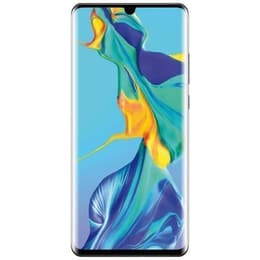
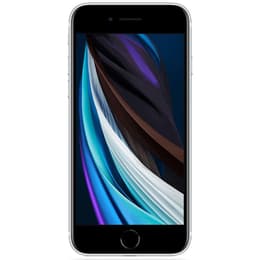
  • Display Technology and Size: The Huawei P30 Pro features a larger 6.47-inch OLED display with a resolution of 1080 x 2340 pixels, offering deep blacks and vibrant colors across its curved screen. The iPhone SE 2020 sports a more compact 4.7-inch IPS LCD display with a resolution of 750 x 1334 pixels, providing accurate colors and good viewing angles within its traditional design.
  • Brightness and Clarity: Both displays offer sufficient brightness for indoor use, with the P30 Pro's OLED panel generally providing higher contrast. The iPhone SE 2020's display has a peak brightness of 625 nits, ensuring decent visibility in various lighting conditions.
  • Viewing Experience: The P30 Pro's larger, curved OLED screen provides a more immersive viewing experience for media consumption and gaming. The iPhone SE 2020's smaller screen and traditional bezels make it more suitable for one-handed use and those who prefer a more compact form factor.

Resolution

1080 x 2340

750 x 1334

Screen type

OLED

Retina IPS LCD

Audiovisual

Both devices offer capable camera systems, but they approach mobile photography with different philosophies and hardware configurations.

  • Rear Camera System: The Huawei P30 Pro is renowned for its versatile quad-camera setup, including a 40 MP main sensor, a 20 MP ultra-wide lens, an 8 MP telephoto lens with 5x optical zoom, and a Time-of-Flight (ToF) sensor. This configuration allows for exceptional low-light performance and impressive zoom capabilities, including 10x hybrid zoom and up to 50x digital zoom. The iPhone SE 2020 features a single 12 MP wide-angle rear camera with optical image stabilization, which, while excellent for everyday photos in good lighting, lacks the versatility of multiple lenses and advanced low-light modes like Night Mode.
  • Video Recording: The iPhone SE 2020 can record 4K video at up to 60 frames per second, offering smooth and detailed footage. The Huawei P30 Pro records 4K video at 30 frames per second.
  • Front Camera and Audio: The P30 Pro includes a 32 MP front camera, capable of capturing detailed selfies. The iPhone SE 2020 has a 7 MP front camera, which performs well in adequate lighting. For audio, the P30 Pro features a mono speaker, while the iPhone SE 2020 offers stereo speakers for a more immersive sound experience.

Main camera

40 megapixels

12 megapixels

Front camera

32 megapixels

7 megapixels

Miscellaneous

Beyond the core features, several practical elements contribute to the overall user experience and differentiate these two smartphones.

  • Connectivity and Ports: Both devices support modern connectivity standards like Wi-Fi and Bluetooth. The Huawei P30 Pro features a USB-C port for charging and data transfer, while the iPhone SE 2020 uses Apple's proprietary Lightning port. Neither phone includes a traditional 3.5mm headphone jack.
  • Biometric Security: The P30 Pro incorporates an in-display fingerprint sensor for secure unlocking. The iPhone SE 2020 utilizes Touch ID, an integrated fingerprint sensor within its physical home button.
  • Design and Handling: The P30 Pro has a larger form factor with a curved glass front and back, and an aluminum alloy frame, giving it a premium feel. The iPhone SE 2020 maintains the classic iPhone design with a glass front and back, and an aluminum frame, making it a more compact and easily manageable device for one-handed use. Both devices offer water and dust resistance, with the P30 Pro rated IP68 and the iPhone SE 2020 rated IP67.

Weight

192 g

148 g

Screen size (in)

6.47

4.7

Network

4G

4G

SIM card

Dual Physical SIM

Physical SIM + eSIM

Carrier compatibility

Unlocked

Unlocked

The Huawei P30 Pro and iPhone SE 2020 cater to different user priorities, reflecting their distinct design philosophies and operating systems. Users often praise the P30 Pro for its exceptional camera system, particularly its zoom capabilities and low-light performance, as well as its long-lasting battery life. Its large, vibrant OLED display also contributes to an immersive media experience. However, some users have noted the less consistent software update schedule for global models compared to Apple devices.

The iPhone SE 2020 is frequently lauded for its powerful processor, delivering smooth performance for all tasks, and its compact, familiar design with the reliable Touch ID sensor. Its long-term software support from Apple is also a significant advantage, ensuring security and access to new features for many years. Criticisms often point to its smaller, older-generation LCD display and a battery life that may require more frequent charging for heavy users. The single camera, while capable, lacks the versatility of multi-lens systems found in other devices, including the P30 Pro.

Users prioritizing an advanced and versatile camera system, especially for zoom and low-light photography, along with a large, immersive display and extended battery life, may find the Huawei P30 Pro better suited to their needs. Conversely, those who value a compact form factor, consistent and long-term software updates, and the robust performance of the iOS ecosystem will likely lean towards the iPhone SE 2020. Both devices offer compelling features for their respective audiences, and choosing a quality-assured refurbished option for either can be an eco-friendly alternative for making an informed decision.


See all articles

Our recent comparisons