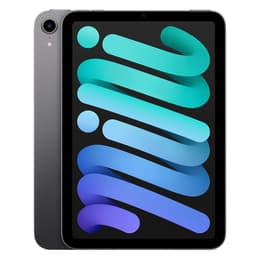


Galaxy Tab S9 FE (10.9", 2023) Vs iPad mini 6 (2021, A15 series)

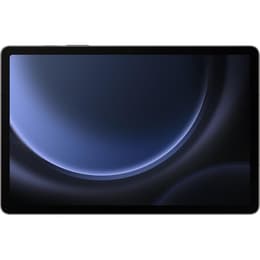
Galaxy Tab S9 FE (10.9", 2023)
Starting at

Refurbished price:426.00

Versus €609.00 new

See options
iPad mini 6 (2021, A15 series)
Starting at

Refurbished price:313.00

Versus €669.00 new

See options

Ratings

The Samsung Galaxy Tab S9 FE, released in October 2023, and the Apple iPad Mini (6th generation), introduced in September 2021, are distinct tablet offerings designed for different user preferences and use cases. While both provide portable computing experiences, they diverge significantly in their operating systems, screen sizes, and overall ecosystems. The Galaxy Tab S9 FE operates on Android, offering a larger display and an included stylus, whereas the iPad Mini runs on iPadOS, emphasizing a compact form factor and a powerful processor.

Scores

Durability

The longevity of a tablet is influenced by its release timeline, software support, and physical durability. These two devices present different profiles in these areas.

  • Release Timeline and Software Support: The Galaxy Tab S9 FE, being a 2023 release, benefits from a more recent launch, offering a commitment of four major Android OS updates and five years of security updates from its release. This means it is projected to receive updates until Android 17 and security patches until 2028. The iPad Mini (6th generation), released in 2021, typically receives major iPadOS updates for approximately five to six years from its launch. While Apple's update cycle is generally robust, the Tab S9 FE's newer release date provides a longer guaranteed future for software updates. [24, 29, 41]
  • Physical Durability: The Galaxy Tab S9 FE features an IP68 rating, indicating resistance to dust and water immersion, which contributes to its overall resilience in various environments. The iPad Mini (6th generation) does not carry an official IP rating. [22, 31]
  • Repairability: The Galaxy Tab S9 FE has a moderate repairability score, with its battery being relatively accessible, though screen removal can be a delicate process. Information regarding the iPad Mini's repairability suggests that Apple devices generally present more challenges for repairs. [25, 37]

Year of Release

2023

2021

Compatible with latest Update

Yes

Yes

OS

Android

iPadOS

Performance

Evaluating the performance of these tablets involves looking at their processing capabilities, memory, and storage solutions, which dictate how smoothly they handle daily tasks and more demanding applications.

  • Processing Power: The Galaxy Tab S9 FE is equipped with an octa-core processor, which provides a responsive experience for everyday use, multitasking, and general productivity applications. The iPad Mini (6th generation) features a hexa-core processor known for its efficiency and ability to handle graphically intensive applications and complex workflows with notable smoothness. [7, 14, 33, 35]
  • Memory and Storage: The Galaxy Tab S9 FE offers configurations with 6GB or 8GB of RAM, paired with 128GB or 256GB of internal storage, and includes a microSD card slot for further expansion up to 1TB. The iPad Mini (6th generation) comes with 4GB of RAM and storage options of 64GB or 256GB, without expandable storage. [6, 7, 14, 22, 23, 32]
  • Battery Behavior: The Galaxy Tab S9 FE houses an 8000 mAh battery, capable of providing up to 13 hours of video playback. The iPad Mini (6th generation) has a 19.3-watt-hour battery, which translates to approximately 5078 mAh, offering up to 10 hours of web browsing or video watching. The Tab S9 FE generally provides a longer duration for video consumption. [6, 22, 32, 33]

Memory (GB)

6 GB

4 GB

Screen quality

The visual experience on a tablet is largely defined by its display characteristics, including size, technology, resolution, and refresh rate.

  • Display Size and Technology: The Galaxy Tab S9 FE features a 10.9-inch IPS LCD, providing a larger canvas for content consumption and productivity. The iPad Mini (6th generation) has a more compact 8.3-inch Liquid Retina IPS LCD, making it highly portable. Both utilize IPS technology for wide viewing angles. [7, 20, 21, 26, 28, 30]
  • Resolution and Clarity: The Tab S9 FE offers a resolution of 2304 x 1440 pixels, resulting in a pixel density of 249 PPI. The iPad Mini (6th generation) boasts a resolution of 2266 x 1488 pixels, with a higher pixel density of 326 PPI, contributing to sharper text and images on its smaller screen. [7, 26, 30, 32]
  • Brightness and Smoothness: Both tablets offer a peak brightness of around 500 nits, ensuring good visibility in various lighting conditions. The Galaxy Tab S9 FE features an adaptive refresh rate of up to 90Hz, which provides smoother scrolling and a more fluid visual experience compared to the iPad Mini's standard 60Hz refresh rate. The Tab S9 FE also includes Vision Booster technology to enhance outdoor visibility. [20, 22, 26, 28]

Resolution

1440 x 2304

2266 x 1488

Screen type

IPS LCD

Liquid Retina display

Pixel density

250ppp

326ppp

Audiovisual

For many users, the camera capabilities of a tablet are important for video calls, casual photography, and document scanning. Both devices offer competent camera systems with distinct features.

  • Rear Camera Performance: The Galaxy Tab S9 FE is equipped with an 8-megapixel rear camera that supports autofocus and 4K video recording at 30 frames per second, though without stabilization for UHD videos. The iPad Mini (6th generation) features a 12-megapixel wide rear camera with an f/1.8 aperture, Quad-LED True Tone flash, and cinematic video stabilization, capable of recording 4K video at up to 60 frames per second. [4, 5, 13, 15, 16, 33]
  • Front Camera Capabilities: Both tablets include a 12-megapixel front-facing camera. The Galaxy Tab S9 FE's front camera is an ultra-wide lens that also supports 4K video recording. The iPad Mini (6th generation) features a 12-megapixel ultra-wide front camera with a 122-degree field of view and Apple's Center Stage feature, which automatically adjusts the camera to keep subjects in frame during video calls. [4, 5, 15, 16, 33]
  • Audio for Media and Calls: Both devices are equipped with stereo speakers, providing an immersive audio experience for media consumption. The iPad Mini also includes dual microphones for clearer audio input during calls and recordings. [2, 14]

Miscellaneous

Beyond core specifications, several practical elements contribute to the overall user experience, including connectivity, port types, and physical design.

  • Connectivity Standards: Both the Galaxy Tab S9 FE and the iPad Mini (6th generation) support Wi-Fi 6 (802.11ax) for fast wireless internet connections. For Bluetooth, the Tab S9 FE uses Bluetooth 5.3, while the iPad Mini uses Bluetooth 5.0. [6, 7, 14, 17]
  • Port Types and Functionality: Both tablets feature a USB-C port. However, the iPad Mini's USB-C port supports USB 3.2 Gen 1 speeds (5 Gb/s) and DisplayPort for external monitor connectivity. The Galaxy Tab S9 FE's USB-C port operates at USB 2.0 speeds and does not support DisplayPort. [14, 21, 22]
  • Stylus Support and Biometrics: The Galaxy Tab S9 FE comes with an S Pen included in the box, offering a pen-on-paper feel for note-taking and drawing. The iPad Mini (6th generation) supports the Apple Pencil 2nd Generation and Apple Pencil (USB-C), which are sold separately. Both devices incorporate fingerprint recognition for secure unlocking: the Tab S9 FE has a fingerprint sensor, and the iPad Mini integrates Touch ID into its power button. [2, 11, 22, 27, 31]
  • Dimensions and Handling: The iPad Mini (6th generation) is significantly more compact and lighter, measuring 195.4 x 134.8 x 6.3 mm and weighing 293-297 grams. The Galaxy Tab S9 FE is larger and heavier at 254.3 x 165.8 x 6.5 mm and 523-524 grams, offering a more expansive screen but less portability. [5, 8, 21, 32]

Weight

1 g

293 g

Screen size (in)

10.9

8.3

Network

Wi-Fi

Wi-Fi

Carrier compatibility

Unlocked

Without SIM Port

The choice between the Samsung Galaxy Tab S9 FE and the iPad Mini (6th generation) depends on individual priorities and how a user intends to integrate the device into their daily routine. Users often praise the Galaxy Tab S9 FE for its larger display, which enhances media consumption and provides ample space for multitasking. Its included S Pen is a significant advantage for those who frequently take notes or engage in creative tasks without needing an additional purchase. The longer guaranteed software update policy also offers peace of mind for future compatibility. Some users, however, note that its processor, while capable, may not match the raw power of its competitor for highly demanding applications, and the USB 2.0 port limits data transfer speeds.

Conversely, the iPad Mini (6th generation) is frequently lauded for its exceptional portability and the robust performance delivered by its processor, making it well-suited for gaming and intensive applications despite its smaller size. Its higher pixel density contributes to a very sharp visual experience, and the advanced camera system, including Center Stage, is a plus for video conferencing. Criticisms sometimes point to its smaller screen size being less ideal for extensive productivity tasks and the absence of an included stylus. The 60Hz refresh rate might also be a consideration for users accustomed to smoother displays.

Users prioritizing a larger screen, an included stylus for productivity, and a longer guaranteed software support timeline within the Android ecosystem may find the Galaxy Tab S9 FE well-suited to their needs. Those who value extreme portability, a highly powerful processor for demanding tasks, a superior camera system, and integration within the Apple ecosystem will likely lean towards the iPad Mini (6th generation). Both devices offer quality-assured refurbished options, providing an eco-friendly alternative for consumers seeking reliable technology.


See all articles

Our recent comparisons