

Compare models
Google Pixel 9a Vs iPhone 14 Pro
- 1-year minimum warranty
- Free delivery on all orders
- Free 30-day returns
Differences at a glance
The Google Pixel 9a (2025) and the Apple iPhone 14 Pro (2022) represent two different approaches to modern smartphone engineering, balancing different software ecosystems and physical designs. While the Google Pixel 9a runs on Android and prioritizes streamlined software integration with long-term support, the iPhone 14 Pro operates on iOS and offers a robust stainless-steel build with advanced multi-lens camera configurations. Choosing between these devices involves weighing distinct operating systems, camera layouts, and physical material philosophies.
Available Models
Colour
Storage (GB)
Scores
Durability
When evaluating hardware longevity and software support, both devices offer extended lifespans through different release timelines and update frameworks.
- Software support timelines: The Google Pixel 9a benefits from Google's extended update commitment spanning seven years from its release, while the iPhone 14 Pro receives Apple's traditional multi-year iOS update lifecycle starting from its 2022 launch.
- Repairability and build maintenance: Both manufacturers provide structured repair frameworks, though glass-and-aluminum designs versus glass-and-stainless-steel structures handle daily wear and physical drops differently over long periods.
- Expected practical lifespan: Due to its newer release year and prolonged update window, the Google Pixel 9a maintains software relevance further into the future, whereas the iPhone 14 Pro relies on established hardware endurance.
Year of Release
2025
2022
Compatible with latest Update
Yes
Yes
OS
Android
iOS
Foldable
No
No
Performance
Daily operation and hardware efficiency dictate how smoothly each smartphone handles multitasking, resource-heavy applications, and power conservation.
- System responsiveness and multitasking: Both devices manage everyday tasks, application switching, and demanding mobile games smoothly, utilizing sufficient RAM and efficient internal processing architectures to prevent stuttering.
- Battery behavior and endurance: The Google Pixel 9a incorporates a larger battery capacity that easily sustains heavy mixed usage throughout a full day, whereas the iPhone 14 Pro relies on optimization within iOS to maximize its smaller physical cell.
- Storage capacity configurations: Each model is available in standard and expanded storage tiers, allowing users to select appropriate space configurations for media libraries, offline files, and application data.
Screen quality
Visual output quality varies across both handsets through distinct display panel technologies, brightness limits, and refresh rate implementations.
- Display technology and clarity: Both smartphones feature vibrant OLED panels that deliver deep contrast levels, rich colors, and sharp resolutions suited for reading, web browsing, and media streaming.
- Outdoor visibility and brightness: High peak luminance capabilities on both screens allow content to remain clearly legible under direct sunlight, minimizing glare during outdoor use.
- Refresh rate smoothness: Adaptive high refresh rate support ensures fluid scrolling through menus and web pages, enhancing overall visual interaction comfort.
Resolution
2424 x 1080
1179 x 2556
Audiovisual
Imaging hardware and software processing define how each device captures photographs, records video, and handles media consumption.
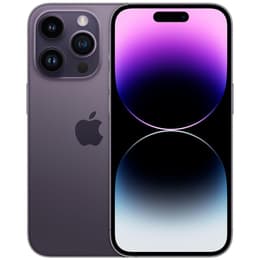
- Camera system versatility: The iPhone 14 Pro equips a triple-lens rear array featuring a dedicated telephoto optical zoom lens, while the Google Pixel 9a utilizes a streamlined dual-lens setup backed by computational photography algorithms.
- Low-light and video performance: Both units handle dim environments effectively through specialized night modes and stabilize high-definition video recording against hand shake.
- Audio and media output: Stereo loudspeaker arrangements on both phones provide clear sound separation for hands-free calls and casual video playback without requiring external speakers.
Front camera
13 megapixels
12 megapixels
Miscellaneous
Physical dimensions, weight distribution, and connectivity standards shape the everyday ergonomics and portability of each smartphone.
- Build materials and handling: The Google Pixel 9a features a lighter plastic-and-aluminum body that reduces hand fatigue during extended use, while the iPhone 14 Pro utilizes a heavier stainless-steel frame that gives it a denser feel in the hand.
- Biometric security sensors: Authentication is handled via facial recognition on the Apple device and an under-display fingerprint sensor on the Google model, offering distinct security preferences.
- Connectivity and ports: Both models support modern 5G cellular networks, high-speed Wi-Fi standards, and Bluetooth pairing, relying on distinct proprietary or universal port connectors for wired charging.
Weight
186 g
206 g
Screen size (in)
6.3
6.1
Network
5G
5G
SIM card
Physical SIM + eSIM
Physical SIM + eSIM
Carrier compatibility
Unlocked
Unlocked
Connector
USB-C
Lightning
What the community thinks
User feedback from online communities highlights distinct preferences for each device. Owners of the Google Pixel 9a frequently praise its reliable battery longevity, lightweight ergonomics, and clean software environment. Conversely, iPhone 14 Pro users often emphasize appreciation for the rigid stainless-steel frame, detailed telephoto zoom capabilities, and integration within the broader Apple ecosystem. Common criticisms for the Google model occasionally center on its simpler camera configuration, while the Apple device attracts remarks regarding its heavier physical weight.
Users prioritizing a lightweight build, modern software longevity, and straightforward daily operation may prefer the Google Pixel 9a. Meanwhile, users prioritizing a dedicated optical zoom lens, premium structural materials, and the iOS ecosystem will lean toward the iPhone 14 Pro. For consumers seeking a sustainable choice, a quality-assured refurbished option provides a reliable, eco-friendly alternative to purchasing newly manufactured hardware.