

Compare models

Galaxy Z Flip7 Vs Galaxy Z Fold4

  • 1-year minimum warranty
  • Free delivery on all orders
  • Free 30-day returns
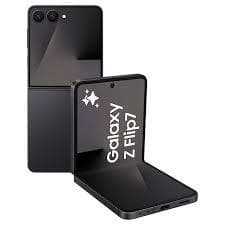
Galaxy Z Flip7
Starting at

Refurbished price:€533.00

Versus €1,328.48 new

See options
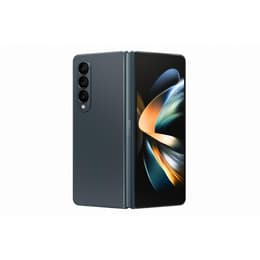
Galaxy Z Fold4
Starting at

Refurbished price:€479.00

Versus €1,799.00 new

See options

Differences at a glance

The Samsung Galaxy Z Flip7 (2025) and the Samsung Galaxy Z Fold4 (2022) represent two distinct branches of foldable smartphone design, catering to very different daily use cases. While the Galaxy Z Flip7 features a compact clamshell form factor built for pocket-friendly portability, the Galaxy Z Fold4 adopts a book-style design that unfolds into a tablet-sized workspace. Both devices run on Android operating systems with Samsung's custom interface, though they differ significantly in release timeline, hardware layouts, and overall physical philosophy.

Available Models

Colour

Storage

Scores

Durability

When evaluating structural longevity and software support, these two models occupy very different stages in their product lifecycles, influencing long-term usability and repair considerations.

  • Release Timeline and Software Support: The Galaxy Z Flip7 benefits from a much later release year, ensuring several additional years of active Android updates and security patches compared to the Galaxy Z Fold4.
  • Hardware Durability: Both models incorporate water resistance and folding hinge mechanisms, though newer iterations generally feature refined glass protections and sturdier structural frames.
  • Practical Lifespan: Users selecting the Galaxy Z Flip7 secure a longer software runway, whereas the Galaxy Z Fold4 approaches the latter half of its supported update schedule.

Year of Release

2025

2022

Compatible with latest Update

Yes

Yes

OS

Android

Android

Foldable

Yes

Yes

Performance

Underneath their folding displays, both devices handle everyday tasks, app switching, and media consumption efficiently while utilizing robust RAM configurations and varying battery capacities.

  • Multitasking and Responsiveness: Both smartphones feature generous RAM allocations that allow smooth background app handling, with the Galaxy Z Flip7 benefiting from a generationally newer processing architecture for faster app loading and enhanced thermal management.
  • Storage and Battery Behavior: The Galaxy Z Flip7 provides modern internal storage tiers alongside a battery capacity designed to sustain a full day of mixed use, while the Galaxy Z Fold4 relies on an older generation processor that manages power efficiently for its dual-screen setup.
  • System Fluidity: Everyday navigation, web browsing, and streaming run smoothly on both models, with the newer device offering extra performance headroom for demanding applications.

Screen quality

Display technology is central to any foldable device experience, and these two models offer entirely different visual layouts suited to distinct viewing preferences.

  • Display Technology and Form: The Galaxy Z Flip7 features a tall inner folding screen complemented by an expansive cover display for quick notifications, while the Galaxy Z Fold4 opens into a square-ish tablet display suited for viewing multiple apps side-by-side.
  • Brightness and Clarity: Both devices utilize vibrant OLED panels with high peak brightness levels for outdoor visibility and deep contrast ratios during media playback.
  • Refresh Rate and Smoothness: Both inner screens support a high refresh rate, ensuring fluid scrolling through web pages, social feeds, and supported mobile games.

Resolution

1080x2520

1812 x 2176

Audiovisual

Photography and media output capabilities vary between the compact layout of the flip model and the multi-lens system found on the larger productivity-focused device.

  • Camera System Setup: Both models include reliable main and ultra-wide rear lenses capable of capturing crisp everyday photos, with high-resolution sensors performing well in varied lighting conditions.
  • Video and Audio Performance: Users can record stable, high-definition video clips with integrated stereo speakers that deliver clear audio for calls, podcasts, and casual video viewing.
  • Selfie and Flexible Framing: The foldable designs of both phones allow for unique hands-free photo angles by resting the device on flat surfaces at various folding angles.

Main camera

50 megapixels

50 megapixels

Front camera

10 megapixels

4 megapixels

Miscellaneous

Practical physical characteristics, connectivity standards, and daily handling traits define how easily each device integrates into a traveler's or professional's routine.

  • Connectivity and Ports: Both models support modern 5G networks, Wi-Fi standards, and Bluetooth pairing, utilizing standard USB-C ports for charging and data transfer.
  • Physical Dimensions and Weight: The Galaxy Z Flip7 offers a lightweight, compact footprint that fits easily into small pockets, whereas the Galaxy Z Fold4 is heavier and wider to accommodate its larger internal screen estate.
  • Security Sensors: Both devices incorporate biometric authentication options, including quick side-mounted fingerprint recognition and facial scanning for secure unlocking.

Weight

188 g

263 g

Screen size (in)

6.9

7.6

Network

5G

5G

SIM card

Physical SIM + eSIM

Dual Physical SIM + eSIM

Carrier compatibility

Unlocked

Unlocked

Connector

USB-C

USB-C

What the community thinks

Choosing between the Galaxy Z Flip7 and the Galaxy Z Fold4 depends largely on individual workflow preferences and daily portability needs. Users prioritizing a compact, pocket-friendly footprint for single-handed messaging and quick updates often prefer the clamshell design of the Galaxy Z Flip7. Conversely, professionals and media enthusiasts who value a large, tablet-sized display for multitasking and reading frequently gravitate toward the expansive screen of the Galaxy Z Fold4.

For consumers seeking a quality-assured refurbished option, exploring eco-friendly alternatives on Back Market provides a sustainable way to acquire these advanced devices while reducing electronic waste. Ultimately, weighing physical size against screen utility will guide you toward the right model for your daily routine.