
Google Pixel 9 Pro Vs Xiaomi Redmi Note 14 4G

Google Pixel 9 Pro
Google Pixel 9 Pro
Starting at

Refurbished price:484.00

Versus €1,099.00 new

See options
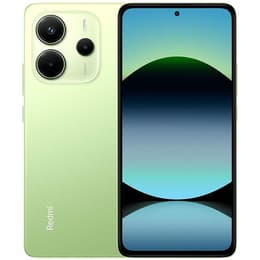
Xiaomi Redmi Note 14 4G
Starting at

Refurbished price:162.00

Versus €229.99 new

See options

Ratings

The Google Pixel 9 Pro, released in September 2024, and the Xiaomi Redmi Note 14 4G, launched in January 2025, represent distinct approaches to smartphone design and functionality. While both devices operate on the Android platform, they cater to different user priorities through their core specifications and feature sets. The Pixel 9 Pro emphasizes advanced camera capabilities, a premium user experience, and extended software support, whereas the Redmi Note 14 4G focuses on a large display, substantial battery life, and a capable main camera within its segment.

Scores

Durability

The longevity of a smartphone is influenced by its release timeline, software support, and physical durability. These two devices offer different expectations in terms of practical lifespan and ongoing support.

  • Release Timeline: The Google Pixel 9 Pro was released in September 2024, making it a slightly older device compared to the Xiaomi Redmi Note 14 4G, which launched in January 2025. This difference in release dates impacts their respective software support cycles.
  • Software Longevity: The Pixel 9 Pro is designed for extended use, offering an impressive seven years of operating system and security updates, with support expected until at least August 2031. This commitment ensures the device remains current and secure for a considerable period. In contrast, the Redmi Note 14 4G is slated to receive four major Android updates and six years of security updates, extending its support until approximately March 2031.
  • Physical Durability: The Pixel 9 Pro typically features premium build materials and often includes advanced display protection, contributing to its overall resilience. The Redmi Note 14 4G utilizes Corning Gorilla Glass 5 for its display and carries an IP64 rating for dust and splash resistance, offering a good level of protection for everyday use.

Year of Release

2024

2025

OS

Android

Android

Foldable

No

No

Performance

Performance varies significantly between these two smartphones, reflecting their different design philosophies and target user experiences.

  • Processing Power: The Pixel 9 Pro is equipped with a high-performance processor, enabling it to handle demanding applications, complex multitasking, and graphic-intensive games with fluidity and responsiveness. Users can expect smooth transitions and quick app loading times. The Redmi Note 14 4G features a mid-range processor that provides reliable performance for daily tasks such as browsing, social media, and moderate gaming. While capable, it may not offer the same level of sustained performance for very intensive applications.
  • Multitasking and Storage: The Pixel 9 Pro typically comes with a substantial amount of RAM, facilitating seamless multitasking and efficient management of numerous open applications. It also offers various internal storage options. The Redmi Note 14 4G is available with different RAM configurations and includes expandable storage via a microSDXC card, providing flexibility for users who need more space for media and files.
  • Battery Behavior: The Pixel 9 Pro houses a 4700 mAh battery, which, combined with its efficient software and adaptive refresh rate display, aims to provide a full day of use for many users. The Redmi Note 14 4G features a larger 5500 mAh battery, designed to offer extended usage times, potentially lasting beyond a single day for average use.

Memory (GB)

16 GB

6 GB

Screen quality

Both devices offer vibrant displays, but they differ in resolution, technology, and overall viewing experience.

  • Display Technology and Clarity: The Pixel 9 Pro features a 6.3-inch LTPO OLED display with a high resolution of 2856 x 1280 pixels, resulting in sharp images and text. The Redmi Note 14 4G comes with a larger 6.67-inch AMOLED display, offering a resolution of 2400 x 1080 pixels, which provides clear and detailed visuals for media consumption and daily interactions.
  • Brightness and Refresh Rate: The Pixel 9 Pro's display can reach a peak brightness of 3000 nits, ensuring excellent visibility even in bright outdoor conditions, and features an adaptive refresh rate that can scale from 1Hz to 120Hz for smooth scrolling and power efficiency. The Redmi Note 14 4G also boasts a high peak brightness of 2100 nits and a 120Hz refresh rate, contributing to a fluid visual experience and good outdoor readability.
  • Viewing Experience: Users of the Pixel 9 Pro generally appreciate its vibrant colors and deep blacks, making it suitable for various content. The Redmi Note 14 4G's larger screen size and AMOLED technology provide an immersive viewing experience, which is often praised by users for its brightness and color reproduction.

Resolution

1280 x 2856

1080x2400

Audiovisual

The camera systems on these smartphones cater to different photography needs, with one prioritizing advanced computational photography and the other offering a capable setup for its segment.

  • Rear Camera System: The Pixel 9 Pro is equipped with a versatile triple-camera system, including a 50MP main sensor, a 48MP ultrawide lens, and a 48MP telephoto lens with 5x optical zoom. This setup, combined with Google's computational photography, excels in various lighting conditions and offers advanced features like 8K video recording. The Redmi Note 14 4G typically features a 108MP primary sensor, often accompanied by a 8MP ultrawide and a 2MP macro or depth sensor. While the main sensor is capable of capturing detailed photos, especially in good lighting, some user feedback suggests the secondary lenses may offer less utility, and the device generally records video at a maximum of 1080p.
  • Low-Light and Everyday Photography: The Pixel 9 Pro is known for its strong performance in low-light conditions, producing clear and well-exposed images with good detail. Its software processing helps in achieving consistent results across different scenarios. The Redmi Note 14 4G's main camera performs well in everyday lighting, delivering sharp and detailed photos. However, its low-light performance and the versatility of its secondary lenses may not match the Pixel's capabilities.
  • Front Camera and Video: The Pixel 9 Pro features a 42MP front camera, capable of high-quality selfies and video calls. The Redmi Note 14 4G includes a 20MP front camera, which provides good quality for selfies and video communication.

Miscellaneous

Beyond the core features, several practical elements differentiate these two devices, impacting daily usability and connectivity.

  • Connectivity Standards: The Pixel 9 Pro supports 5G connectivity, offering faster mobile data speeds and lower latency in areas with 5G network coverage. The Redmi Note 14 4G, as its name suggests, is limited to 4G connectivity, which is sufficient for most current mobile data needs but does not offer the advanced speeds of 5G.
  • Ports and Sensors: The Pixel 9 Pro typically features a USB-C port for charging and data transfer, along with an in-display fingerprint sensor and face recognition for secure unlocking. The Redmi Note 14 4G also uses a USB-C port and includes a 3.5mm headphone jack, an IR blaster, and NFC (region-dependent), offering a broader range of legacy and utility features. It also has an in-display fingerprint sensor.
  • Design and Handling: The Pixel 9 Pro has dimensions of 152.8 x 72 x 8.5 mm and weighs around 199 grams, offering a relatively compact and manageable form factor for a Pro model. The Redmi Note 14 4G is slightly larger and lighter at 163.3 x 76.6 x 8.2 mm and 196.5 grams, which, combined with its plastic back, may offer a different in-hand feel.

Weight

199 g

196 g

Screen size (in)

6.3

6.67

Network

5G

4G

SIM card

Physical SIM + eSIM

Physical SIM + eSIM

Carrier compatibility

Unlocked

Unlocked

User feedback for the Google Pixel 9 Pro often highlights its exceptional camera performance, particularly its computational photography capabilities, and the clean, intuitive Android experience. Many users appreciate its long-term software support and the consistent delivery of new features through Pixel Drops. However, some common criticisms include reports of the device running warm during moderate use, occasional battery drain inconsistencies, and some users finding the camera's processing to be overly stylized or slow in certain situations.

For the Xiaomi Redmi Note 14 4G, users frequently praise its vibrant AMOLED display, extended battery life, and the inclusion of features like a 3.5mm headphone jack and IR blaster. The main camera is generally considered capable for its segment, and the overall performance is deemed solid for everyday tasks. Conversely, common concerns revolve around the absence of 5G connectivity, the plastic build feeling less premium, and some reports of delayed software updates or occasional software bugs. The utility of its secondary camera lenses is also sometimes questioned.

Users prioritizing a premium camera experience, long-term software updates, and a compact flagship design will find the Google Pixel 9 Pro well-suited to their needs. Its advanced processing and dedicated AI features offer a refined user experience. Conversely, individuals who value a larger, vibrant display, extended battery life, and a comprehensive set of connectivity options, including a headphone jack, may lean toward the Xiaomi Redmi Note 14 4G. This device serves as a capable option for those who do not require 5G connectivity or the most demanding processing power. Both devices are available as quality-assured refurbished options, providing a sustainable choice for consumers.


See all articles

Our recent comparisons