

Google Pixel 9 Pro Vs iPhone 13

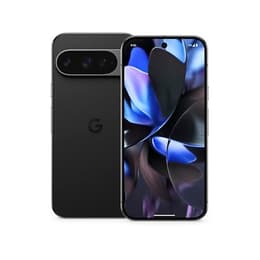
Google Pixel 9 Pro
Google Pixel 9 Pro
Starting at

Refurbished price:475.00

Versus €1,299.00 new

See options
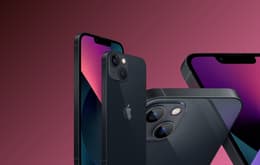
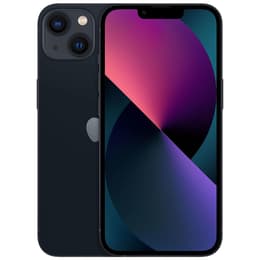
iPhone 13
iPhone 13
Starting at

Refurbished price:240.00

Versus €769.00 new

See options

Ratings

The Google Pixel 9 Pro, released in late 2024, and the Apple iPhone 13, launched in September 2021, represent distinct approaches to the modern smartphone experience. While both devices offer robust performance and advanced camera capabilities, the Pixel 9 Pro introduces a newer generation of hardware and a strong focus on artificial intelligence, contrasting with the iPhone 13's established iOS ecosystem and refined user experience. Key differentiators lie in their respective operating systems, camera configurations, and display technologies.

Scores

Durability

The longevity of a smartphone is influenced by its release timeline, software support, and physical durability.

  • Release Timeline: The Google Pixel 9 Pro was released in late 2024, specifically on September 4, 2024, for the Pro model. In contrast, the iPhone 13 was launched earlier, on September 24, 2021. This difference in release dates means the Pixel 9 Pro benefits from more recent hardware and software advancements.
  • Software Longevity: Google has committed to providing seven years of OS and security updates for the Pixel 9 Pro, extending support until at least August 2031. The iPhone 13, while known for long-term support, typically receives 5-6 years of major iOS updates from its release, meaning its software support is expected to conclude around 2026-2027. Users prioritizing extended software updates will find the Pixel 9 Pro offers a longer guaranteed period of current features and security patches.
  • Physical Durability: Both devices feature robust construction. The Pixel 9 Pro incorporates Gorilla Glass Victus 2 for both its front and back, along with an aluminum frame and an IP68 rating for water and dust resistance. The iPhone 13 also boasts an IP68 rating for water resistance and features a durable glass front with a fingerprint-resistant oleophobic coating.

Year of Release

2024

2021

Compatible with latest Update

Yes

Yes

OS

Android

iOS

Foldable

No

No

Performance

Performance in daily use is shaped by a device's internal components, affecting app responsiveness, multitasking, and battery efficiency.

  • Processor Capabilities: The Google Pixel 9 Pro is powered by the Google Tensor G4 processor, designed for efficient handling of demanding applications and advanced AI features. The iPhone 13 utilizes the Apple A15 Bionic chip, which was a leading processor at its release, providing smooth performance for a wide range of tasks. While both processors deliver capable performance, the Tensor G4 in the Pixel 9 Pro is a newer generation, optimized for contemporary software and AI workloads.
  • Multitasking and Storage: The Pixel 9 Pro comes with 16GB of RAM, allowing for extensive multitasking and seamless switching between numerous applications. The iPhone 13 features 4GB of RAM, which is sufficient for typical smartphone usage within the iOS ecosystem. Both devices offer various internal storage options, including 128GB, 256GB, and 512GB, with the Pixel 9 Pro also offering a 1TB option.
  • Battery Behavior: The Pixel 9 Pro is equipped with a 4700 mAh battery, and user experiences suggest it generally provides a full day of use, with some reports indicating excellent longevity under specific conditions. The iPhone 13 has a 3227 mAh battery, which was an improvement over its predecessor and typically offers a full day of power for most users.

Memory (GB)

16 GB

4 GB

Screen quality

The display is a primary interface for user interaction, with differences in technology and specifications impacting the visual experience.

  • Display Technology and Resolution: The Google Pixel 9 Pro features a 6.3-inch LTPO OLED display with a resolution of 2856 x 1280 pixels, resulting in a pixel density of 495 PPI. The iPhone 13 sports a 6.1-inch Super Retina XDR OLED display with a resolution of 2532 x 1170 pixels and a pixel density of 460 PPI. Both offer vibrant colors and deep blacks characteristic of OLED technology.
  • Brightness and Refresh Rate: The Pixel 9 Pro's display offers a high peak brightness of up to 3000 nits and an adaptive refresh rate that ranges from 1Hz to 120Hz, providing smooth scrolling and responsive visuals while conserving power. The iPhone 13 has a typical brightness of 800 nits and a peak brightness of 1200 nits for HDR content, with a standard 60Hz refresh rate. The higher refresh rate on the Pixel 9 Pro contributes to a more fluid visual experience.
  • Additional Display Features: The Pixel 9 Pro includes an Adaptive Touch feature, which adjusts touchscreen sensitivity for various conditions like wet fingers or screen protectors. Both displays are protected by durable glass, with the Pixel 9 Pro using Gorilla Glass Victus 2.

Resolution

1280 x 2856

1170 x 2532

Screen type

LTPO OLED

Super Retina XDR OLED

Audiovisual

Camera capabilities are a significant factor for many users, with both devices offering advanced photographic and videographic tools.

  • Rear Camera Systems: The Google Pixel 9 Pro features a versatile triple-lens rear camera system, including a 50MP main sensor, a 48MP ultrawide lens with macro autofocus, and a 48MP telephoto lens offering 5x optical zoom. The iPhone 13 is equipped with a dual 12MP camera system, comprising a main wide-angle lens with sensor-shift optical image stabilization and an ultra-wide lens. The Pixel 9 Pro's dedicated telephoto lens provides greater optical zoom capabilities.
  • Photography Features: The Pixel 9 Pro integrates advanced computational photography features such as Night Sight, Astrophotography, Portrait Mode, Face Unblur, and Pro Controls for manual adjustments. The iPhone 13 offers Smart HDR 4, Night mode, Deep Fusion, and Photographic Styles to enhance image quality. Both excel in everyday photography, with the Pixel 9 Pro often leveraging its AI for more specialized shots.
  • Video Recording and Front Camera: For video, the Pixel 9 Pro supports 4K 60fps recording and includes features like Video Boost for cloud-based 8K upscaling, Audio Magic Eraser, and Cinematic blur/pan. Its front camera is a 42MP sensor with autofocus. The iPhone 13 records video up to 4K at 60fps and introduced Cinematic Mode, which allows for shallow depth of field effects in video. It has a 12MP TrueDepth front camera.

Main camera

50 megapixels

12 megapixels

Front camera

42 megapixels

12 megapixels

Miscellaneous

Beyond core specifications, various practical elements contribute to the overall user experience and device utility.

  • Connectivity and Ports: Both the Google Pixel 9 Pro and iPhone 13 support 5G connectivity for fast mobile data speeds. The Pixel 9 Pro features Wi-Fi 7 and a USB-C port. The iPhone 13 uses a Lightning port and supports Wi-Fi 6. Neither device includes a traditional 3.5mm headphone jack.
  • Biometrics and Sensors: The Pixel 9 Pro incorporates an ultrasonic in-screen fingerprint sensor for secure unlocking. The iPhone 13 relies on Face ID, Apple's facial recognition system, for biometric authentication. Both devices include a standard array of sensors such as accelerometers, gyroscopes, and compasses.
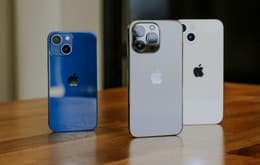
  • Design and Handling: The Pixel 9 Pro measures 152.8 x 72 x 8.5 mm and weighs 199 grams. The iPhone 13 features a flat-edged design with a diagonal camera arrangement. The Pixel 9 Pro's build materials include Gorilla Glass Victus 2 on the front and back, with an aluminum frame.

Weight

280 g

173 g

Screen size (in)

6.8

6.1

Network

5G

5G

SIM card

Physical SIM + eSIM

Physical SIM + eSIM

Carrier compatibility

Unlocked

Unlocked

Connector

USB-C

Lightning

The Google Pixel 9 Pro and iPhone 13 cater to users with differing priorities, reflecting their respective release timelines and design philosophies. The Pixel 9 Pro, as a more recent device, often receives praise for its advanced computational photography, offering features like a dedicated telephoto lens and sophisticated AI-driven enhancements for both photos and videos. Users frequently highlight its extended software support, promising seven years of updates, which is a significant advantage for long-term usability. Some users, however, have expressed mixed opinions on its battery performance in certain scenarios, though many find it sufficient for a full day.

The iPhone 13, while older, is consistently lauded for its reliable performance, vibrant OLED display, and the intuitive iOS ecosystem. Its camera system, despite being a dual-lens setup, is well-regarded for its consistent image quality and features like Cinematic Mode. Common criticisms often revolve around its 60Hz display refresh rate, which is lower than many newer Android flagships, and its Lightning port, which is less universally compatible than USB-C. However, its battery life was a notable improvement over previous iPhone models, generally satisfying most users for daily tasks.

Users prioritizing the latest camera technology, extensive software support, and a high refresh rate display may find the Google Pixel 9 Pro well-suited to their needs. Its focus on AI-driven features and a more open Android experience could appeal to those who enjoy customization and cutting-edge computational capabilities. Conversely, individuals who value a highly refined and consistent user experience, a robust app ecosystem, and proven long-term reliability might lean towards the iPhone 13. Both devices are available as quality-assured refurbished options, providing an eco-friendly alternative for consumers.


See all articles

Our recent comparisons