

Galaxy S20 FE Vs iPhone 8

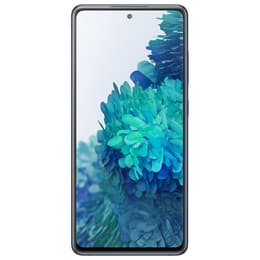
Galaxy S20 FE
Galaxy S20 FE
Starting at

Refurbished price:151.00

Versus €779.00 new

See options
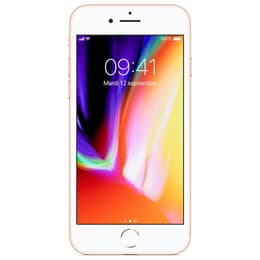
iPhone 8
iPhone 8
Starting at

Refurbished price:88.00

Versus €299.00 new

See options

Ratings

The Samsung Galaxy S20 FE (Fan Edition), released in October 2020, and the Apple iPhone 8, launched in September 2017, represent different eras and operating systems within the smartphone landscape. While the Galaxy S20 FE offers a more contemporary Android experience with a focus on display technology and camera versatility, the iPhone 8 provides a classic iOS interface with a compact design. Both devices cater to users seeking reliable smartphone functionality, albeit with distinct approaches to features and design.

Scores

Durability

The longevity of a smartphone is influenced by its release timeline, software support, and physical durability.

  • Release Timeline and Software Support: The iPhone 8, released in 2017, received major iOS updates up to iOS 16, with security updates continuing until September 2025. It does not support iOS 17 or later versions. In contrast, the Galaxy S20 FE, launched in 2020, received three major Android OS upgrades, reaching Android 13, and its software support officially ended around October/November 2025. This means both devices have reached the end of their official major software update cycles, though security patches may still be issued for a period.
  • Repairability: The iPhone 8 has a repairability score of 6 out of 10, with the display and battery being relatively straightforward to replace. However, replacing the glass back is challenging due to strong adhesive. The Galaxy S20 FE scores 7.5 out of 10 for repairability, indicating it is moderately repairable, though some components are held with adhesive and the battery can be difficult to remove without heating.
  • Expected Practical Lifespan: Users of the iPhone 8 may encounter app compatibility issues over time as developers target newer iOS versions. The Galaxy S20 FE, having also concluded its major OS updates, will face similar challenges, though its newer release date might offer a slightly longer window for app support.

Year of Release

2020

2017

Compatible with latest Update

No

No

OS

Android

iOS

Foldable

No

No

Performance

Performance is a key differentiator, impacting how smoothly applications run and how efficiently tasks are handled.

  • Processor Capabilities: The Galaxy S20 FE is equipped with a processor that handles demanding applications and multitasking smoothly, providing a responsive user experience. The iPhone 8 features a processor that, while still capable for most everyday tasks, may exhibit slower performance with more intensive applications or complex animations compared to newer devices.
  • Multitasking and Storage: The Galaxy S20 FE typically comes with 6GB of RAM, contributing to efficient multitasking and app switching. It offers 128GB of internal storage, which is expandable via a microSD card, providing flexibility for users with large media libraries. The iPhone 8 generally includes 2GB of RAM and storage options up to 256GB, but without expandable storage.
  • Battery Behavior: The Galaxy S20 FE houses a 4500 mAh battery, which generally provides excellent battery life, often lasting through a full day of heavy use. The iPhone 8 has an 1821 mAh battery, offering decent battery life for typical daily use, though heavy users might find themselves needing to recharge before the day ends.

Memory (GB)

6 GB

2 GB

Screen quality

The display is a primary interface for smartphone interaction, and both devices offer distinct viewing experiences.

  • Display Technology and Size: The Galaxy S20 FE features a 6.5-inch flat Super AMOLED display, known for its vibrant colors and deep blacks. The iPhone 8 has a more compact 4.7-inch Retina HD (IPS LCD) display, which provides accurate color reproduction and good viewing angles.
  • Resolution and Refresh Rate: The Galaxy S20 FE offers a resolution of 1080x2400 pixels and a 120Hz refresh rate, contributing to smooth scrolling and a fluid visual experience. While the 1080p resolution is generally clear, some users note that text might not appear as sharp as on higher-resolution flagship screens. The iPhone 8 has a 1334x750 pixel resolution and a standard 60Hz refresh rate, which is suitable for everyday use but lacks the fluidity of higher refresh rate displays.
  • Brightness and Clarity: Both displays offer adequate brightness for indoor use. The Galaxy S20 FE's brightness can be challenging for outdoor visibility in strong sunlight. The iPhone 8's display includes True Tone technology, which adjusts the screen's white balance to match ambient light, enhancing viewing comfort.

Resolution

1080 x 2400

750 x 1334

Screen type

Super AMOLED

Retina IPS LCD

Audiovisual

Camera capabilities are a significant factor for many users, and these devices offer different photographic strengths.

  • Rear Camera System: The Galaxy S20 FE features a versatile triple-camera setup on the rear, including a 12MP wide lens, an 8MP telephoto lens with 3x optical zoom, and a 12MP ultrawide lens. The main camera is capable of capturing detailed and colorful photos in various lighting conditions. The iPhone 8 has a single 12MP wide-angle rear camera with optical image stabilization, which produces good quality images with accurate colors and detail.
  • Photography Performance: The Galaxy S20 FE's 3x optical zoom is a practical feature for capturing distant subjects. While the main camera performs well, the ultrawide camera may not offer the same level of quality. The iPhone 8's camera, while not featuring multiple lenses, delivers consistent results in good lighting. Its low-light performance is generally considered acceptable but not exceptional.
  • Video Recording and Audio: Both devices support 4K video recording at 60 frames per second. The Galaxy S20 FE also supports HDR10+ video recording. For audio, the Galaxy S20 FE includes stereo speakers, while the iPhone 8 also offers stereo sound output.

Main camera

12 megapixels

12 megapixels

Front camera

32 megapixels

7 megapixels

Miscellaneous

Beyond core features, several practical elements contribute to the overall user experience.

  • Connectivity and Ports: The Galaxy S20 FE supports 5G connectivity (on the 5G variant), Wi-Fi 6, and Bluetooth 5.0, offering modern wireless capabilities. It uses a USB-C port for charging and data transfer. The iPhone 8 supports 4G LTE, Wi-Fi (802.11ac), and Bluetooth 5.0. It utilizes Apple's proprietary Lightning connector. Neither device includes a traditional 3.5mm headphone jack.
  • Biometric Security: The Galaxy S20 FE features an in-display optical fingerprint sensor and supports face unlock. The iPhone 8 relies on Touch ID, an integrated fingerprint sensor within its physical home button.
  • Build Materials and Durability: The Galaxy S20 FE has a glass front (Gorilla Glass 3), a plastic back, and an aluminum frame, with an IP68 rating for dust and water resistance. The iPhone 8 features a glass front and back with an aluminum frame, offering an IP67 rating for dust and water resistance. The glass back on the iPhone 8 enables wireless charging.
  • Dimensions and Handling: The Galaxy S20 FE is a larger device, measuring 159.8 x 74.5 x 8.4 mm and weighing 190g. The iPhone 8 is more compact at 138.4 x 67.3 x 7.3 mm and lighter at 148g, making it easier for one-handed use.

Weight

190 g

148 g

Screen size (in)

6.5

4.7

Network

4G

4G

SIM card

Dual Physical SIM

Physical SIM

Carrier compatibility

Unlocked

Unlocked

The Samsung Galaxy S20 FE and iPhone 8 cater to different user preferences, reflecting their respective release timelines and ecosystems. Users often praise the Galaxy S20 FE for its vibrant 120Hz display, robust battery life, and versatile camera system, particularly the main lens and optical zoom. Some common criticisms include the performance of the ultrawide camera and the screen's outdoor visibility in bright conditions.

The iPhone 8 is frequently lauded for its compact and ergonomic design, consistent camera performance in good lighting, and the enduring responsiveness of its operating system for general use. However, users often note its dated design with larger bezels, the limitations of a single rear camera, and the fact that it no longer receives major iOS updates, which can impact future app compatibility.

Users prioritizing a larger, high-refresh-rate display, a multi-lens camera system with optical zoom, and expandable storage may find the Galaxy S20 FE well-suited to their needs. Conversely, individuals who prefer a smaller, more traditional form factor with a physical home button, a streamlined iOS experience, and reliable core functionality might lean towards the iPhone 8. Both devices offer a solid smartphone experience, and choosing a quality-assured refurbished option for either model can be an eco-friendly alternative for consumers.


See all articles

Our recent comparisons